

 (360) 896-2829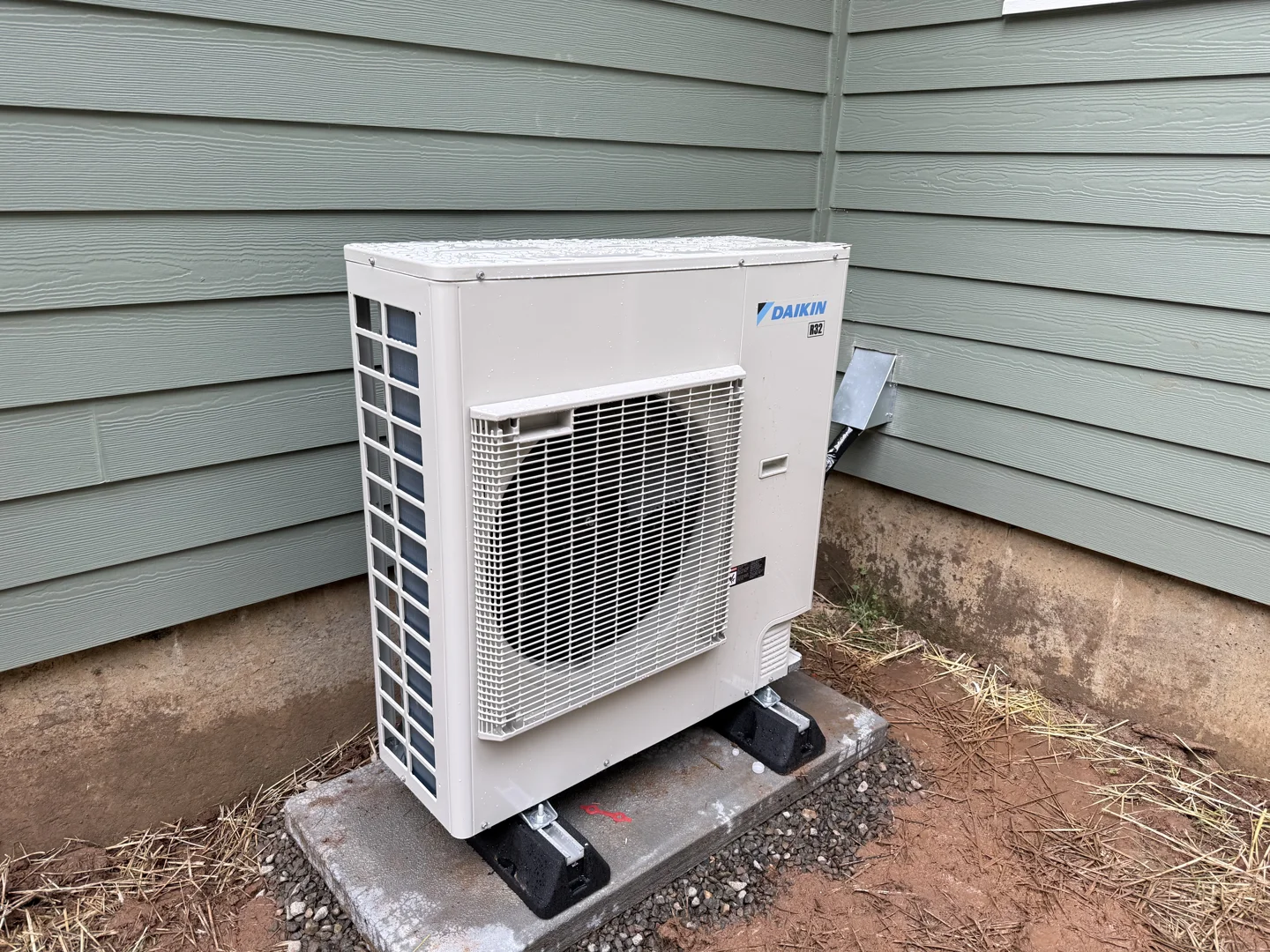
How Often Should You Schedule HVAC Maintenance in Southwest Washington?
Understanding hvac maintenance frequency for Southwest Washington homes starts with one simple answer: most homes here need professional service twice a year — once in spring before cooling season, and once in fall before heating season.
Here’s a quick-reference guide by system type:
| System Type | Recommended Frequency | Best Timing |
|---|---|---|
| Heat pump | Twice per year (minimum) | Spring + Fall |
| Gas furnace | Once per year | Fall |
| Central AC | Once per year | Spring |
| Ductless mini-split | Twice per year | Spring + Fall |
| System 10+ years old | Twice per year (minimum) | Spring + Fall |
And for filter changes specifically:
- Standard household: Every 60–90 days
- Pets or allergy sufferers: Every 30–60 days
- Wildfire smoke events: Check weekly, replace if gray or clogged
Most homeowners don’t think about their HVAC system until something goes wrong — usually on the hottest afternoon of July or the coldest night of January. By then, the damage is done and the repair bill is much bigger than a routine tune-up would have been.
Southwest Washington’s climate makes this especially true. The region’s damp winters, pollen-heavy springs, dry summers, and increasingly smoky wildfire seasons all put extra stress on heating and cooling equipment. A maintenance schedule that works in Arizona or Texas simply doesn’t cut it here.
Whether your home is in Vancouver, Ridgefield, Battle Ground, Camas, or anywhere else in the area, staying ahead of HVAC maintenance is one of the smartest things you can do for your comfort, your energy bills, and your system’s lifespan.

Handy hvac maintenance frequency for southwest washington homes terms:
Understanding HVAC Maintenance Frequency for Southwest Washington Homes
When we talk about how often you should service your heating and cooling equipment, we aren’t just giving you a generic manufacturer recommendation. In Southwest Washington, our local weather patterns dictate a unique rhythm. Our climate is marked by long, damp, and overcast winters followed by short, increasingly warm, and dry summers.
Because we experience distinct seasonal shifts, our systems work hard year-round. This is why we tell our neighbors in communities like Ridgefield, Battle Ground, and La Center that scheduling seasonal tune-ups is critical. If you wait until a major weather event strikes, you risk long wait times and emergency repair costs. The goal is to proactively address small wear-and-tear issues before they turn into complete system failures. To make sure you aren’t caught off guard, check out our guide on why you don’t wait for a breakdown how often to schedule your HVAC tune-up to keep your home comfortable in every season.
How Climate Affects HVAC Maintenance Frequency for Southwest Washington Homes
The Pacific Northwest marine climate brings specific environmental challenges. From October through May, outdoor relative humidity in areas like Kalama, Woodland, and Longview regularly tops 75%, and we average over 160 rainy days a year. This persistent moisture creates a breeding ground for rust, corrosion, and biological growth on outdoor condenser units and indoor evaporator coils.
Additionally, the moist air increases the specific heat capacity of the air your system has to move, forcing your equipment to work harder to achieve the same indoor temperature. High humidity combined with seasonal pollen and summer wildfire smoke means your system is constantly filtering out heavy particulate matter.
Skipping regular maintenance in this damp environment accelerated wear on electrical terminals and aluminum fins. For a deeper dive into managing these local climate stressors, explore a practical guide to HVAC maintenance for Southwest Washington homeowners.
System Types and HVAC Maintenance Frequency for Southwest Washington Homes
Not all heating and cooling systems are created equal, and their maintenance schedules reflect how they operate:
- Heat Pumps & Ductless Mini-Splits: These are the true year-round workhorses of Southwest Washington. Because they handle both heating in the winter and cooling in the summer, they rarely get an off-season. They undergo thousands of defrost cycles and constant mode transitions. As a result, heat pumps require professional maintenance twice per year (once in spring, once in fall) to ensure reversing valves, defrost boards, and refrigerant levels are functioning correctly.
- Gas Furnaces: Since furnaces only run during the cold months, a thorough annual inspection in the fall is usually sufficient. This visit focus heavily on safety checks, such as inspecting the heat exchanger for cracks that could leak carbon monoxide.
- Central Air Conditioners: Standard AC units only run during our warm summers. An annual spring tune-up ensures the system is charged with refrigerant and the coils are clean before the first heat wave hits.
Curious about what goes on during these specialized visits? Read our breakdown of what does heat pump maintenance include to see how we protect your year-round comfort system.
The Seasonal Schedule: When to Service Your Heating and Cooling Systems
Timing is everything. Scheduling your HVAC maintenance during the “shoulder seasons” — spring (March through May) and fall (September through November) — is the gold standard. During these months, local HVAC technicians have more flexible schedules, meaning you won’t have to wait weeks for an appointment. More importantly, it ensures your system is optimized before you need to turn it on for consistent daily use.
To help you visualize the focus of each season, we’ve broken down the primary tasks of spring and fall maintenance:
| Maintenance Focus | Spring Tune-Up (Cooling Prep) | Fall Tune-Up (Heating Prep) |
|---|---|---|
| Primary Goal | Maximize cooling efficiency & airflow | Ensure safe, reliable heating |
| Key Mechanical Check | Refrigerant charge & leak checks | Heat exchanger inspection & combustion analysis |
| Electrical Check | Capacitor testing & contactor inspection | Igniter testing & safety control verification |
| Cleaning Focus | Condenser coil wash & condensate drain flush | Burner cleaning & blower motor dust removal |
| Airflow Task | Duct inspection & filter replacement | Airflow balance & filter replacement |
Getting ahead of the weather with essential spring AC tune-up tips ensures that when Vancouver hits 90 degrees in July, your home remains a cool oasis.
Spring and Summer Cooling Preparation
As we transition from wet spring showers to dry summer heat, your air conditioner or heat pump needs to be prepped for the cooling load. Dust, cottonwood fluff, and lawn debris accumulate on the outdoor condenser unit over the winter, choking off necessary airflow.
When airflow is restricted, your system has to run longer cycles to cool your home, which spikes your utility bills and places immense strain on the compressor. Cleaned systems can deliver 10% to 46% more airflow, which drastically improves comfort. Preparing your system early with these 10 summer air conditioning maintenance tips prevents midday breakdowns when you need cooling the most.
Fall and Winter Heating Readiness
When the cold rain sets in and freezing winter nights arrive in places like Yacolt, Amboy, and Ariel, you need to know your heating system is ready to perform safely and efficiently. For gas furnaces, fall maintenance is primarily about safety and combustion efficiency. We test safety limits, clean dirty burners, and check for draft issues.
For heat pumps, fall maintenance ensures the auxiliary heating elements are ready to assist when temperatures drop, and that the defrost cycle functions correctly so the outdoor unit doesn’t turn into a solid block of ice. heat pump maintenance matters because a well-maintained heat pump can reduce heating energy consumption by 20% to 25% compared to a neglected system.
Key Benefits and DIY Maintenance Tips for Homeowners
While professional maintenance is irreplaceable, keeping your system running smoothly is a partnership between you and your HVAC team.
Investing a little time into understanding your system pays massive dividends. Beyond preventing emergency breakdowns, consistent care directly impacts your wallet, your health, and your home’s indoor air quality. Let’s look at the key benefits of regular HVAC service and what you can do to keep things running efficiently between our visits.
Lower Energy Bills and Extended Equipment Lifespan
According to Department of Energy data, regular HVAC maintenance can save homeowners up to 30% on monthly energy bills. When coils are clean, electrical connections are tight, and moving parts are properly lubricated, the system draws significantly less electricity.
Furthermore, neglected systems in wet climates typically last only 10 to 12 years, whereas well-maintained systems can easily extend their equipment life by 5 to 7 years, lasting 15 to 20 years. To understand how these savings add up over time, read about the real ROI of regular heating and cooling tune-ups.
Protecting Manufacturer Warranties and Improving Air Quality
Did you know that skipping your annual professional service can void your manufacturer warranty? Major brands like Daikin, Carrier, Trane, and Mitsubishi explicitly state in their warranty terms that the equipment must be maintained annually by a licensed professional. If a compressor fails under warranty but you cannot provide service records, the manufacturer may deny the claim.
Additionally, regular maintenance keeps your indoor air clean. Your HVAC system continuously circulates air through your living spaces. If the blower cabin, coils, and filters are covered in dust, mold spores, and pet dander, those pollutants are continuously redistributed. Keeping your system clean protects both your family’s health and your warranty coverage, which is exactly why your HVAC system craves a maintenance plan.
Simple Tasks Homeowners Can Safely Handle
You don’t need a technician’s license to perform some of the most impactful maintenance tasks.
Here are three simple DIY steps you can take to support your system:
- Replace Air Filters Regularly: Check your filters monthly. Replacing a dirty, clogged filter can lower your air conditioner’s energy consumption by 5% to 15%.
- Clear Outdoor Unit Debris: Keep at least two feet of clear space around your outdoor condenser unit. Trim back bushes, clear away fallen leaves, and gently sweep away any moss or grass clippings.
- Keep Vents Unobstructed: Ensure that indoor supply and return vents are not blocked by furniture, curtains, or rugs. Restricted airflow forces the system to work harder and can cause coils to freeze.
For a comprehensive list of home cooling hacks, check out our 20 air conditioner maintenance and home cooling tips.
What a Professional HVAC Tune-Up Includes
While DIY tasks keep airflow moving, a professional technician handles the complex mechanical and electrical components that require specialized tools and training. During a comprehensive All Around Mechanical tune-up, we:
- Measure and test electrical currents, capacitors, and safety controls.
- Check refrigerant levels and inspect lines for leaks (EPA Section 608 certified).
- Deep-clean indoor evaporator and outdoor condenser coils.
- Mechanically flush condensate drain lines to prevent water damage and mold.
- Examine heat exchangers for cracks or corrosion.
- Calibrate thermostats for accurate operation.
To learn more about the extensive steps we take to protect your home, explore the benefits heat pump tune-ups residential homes receive during a professional visit.
Frequently Asked Questions About Southwest Washington HVAC Care
How often should I change my air filters during wildfire season?
During active wildfire season in Southwest Washington, you should inspect your air filters weekly. Wildfire smoke carries fine ash and heavy particulate matter that can clog a standard filter in just a few days. Running your system with a smoke-clogged filter is the HVAC equivalent of asking your system to run a marathon while breathing through a straw — it can quickly overheat the blower motor and cause a system shutdown.
We recommend upgrading to a MERV 8 to MERV 13 filter during these events and keeping your system’s fan set to “recirculate” to continuously clean the indoor air. Keep 2 to 3 spare filters on hand so you can change them immediately if they appear gray or ash-covered. For more tips on maintaining system health during harsh weather, read our 7 preventive maintenance tips to keep your AC healthy.
What are the warning signs that my system needs immediate service?
You shouldn’t wait for your scheduled seasonal tune-up if your system is exhibiting any of the following warning signs:
- Unusual Noises: Grinding, squealing, rattling, or thumping sounds point to failing bearings, loose belts, or motor issues.
- Weak Airflow: If air is barely trickling out of your vents, you could have a clogged filter, a failing blower motor, or leaking ductwork.
- Short Cycling: If your system turns on and off rapidly without completing a full heating or cooling cycle, it is overheating or experiencing sensor failures.
- Unusual Odors: Musty smells point to biological growth in the drain pan, while burning metallic smells indicate electrical components are overheating.
Addressing these issues early prevents minor repairs from turning into expensive replacements. Discover more diagnostic tips with these maintenance secrets to keep your HVAC from quitting on you.
Is an annual maintenance plan worth the investment?
Yes, an annual maintenance plan is incredibly valuable. Most plans pay for themselves by preventing emergency breakdown costs and lowering monthly utility bills. When you enroll in a maintenance plan, you receive scheduled biannual reminders so you never forget a tune-up, priority scheduling during peak seasons, and peace of mind knowing your system is operating safely. To see how a structured plan can save you money and stress, read our analysis on annual maintenance plan are they valuable.
Conclusion
Proactive, seasonal care is the single best way to protect your home’s comfort, keep your energy bills low, and ensure your heating and cooling systems are ready for whatever Southwest Washington’s weather throws our way.
At All Around Mechanical, we are dedicated to providing exceptional HVAC services at competitive prices. Whether you need a spring AC tune-up, a fall furnace safety inspection, or year-round heat pump maintenance, our licensed professionals are here to keep your system running at peak performance. We proudly serve homeowners throughout Vancouver, Ridgefield, Battle Ground, Camas, Washougal, Yacolt, Ariel, La Center, Amboy, Kalama, and Longview, WA.
Don’t wait for a system failure to think about your comfort. Get more info about HVAC services in Brush Prairie, WA and schedule your seasonal tune-up with us today!