

 (360) 896-2829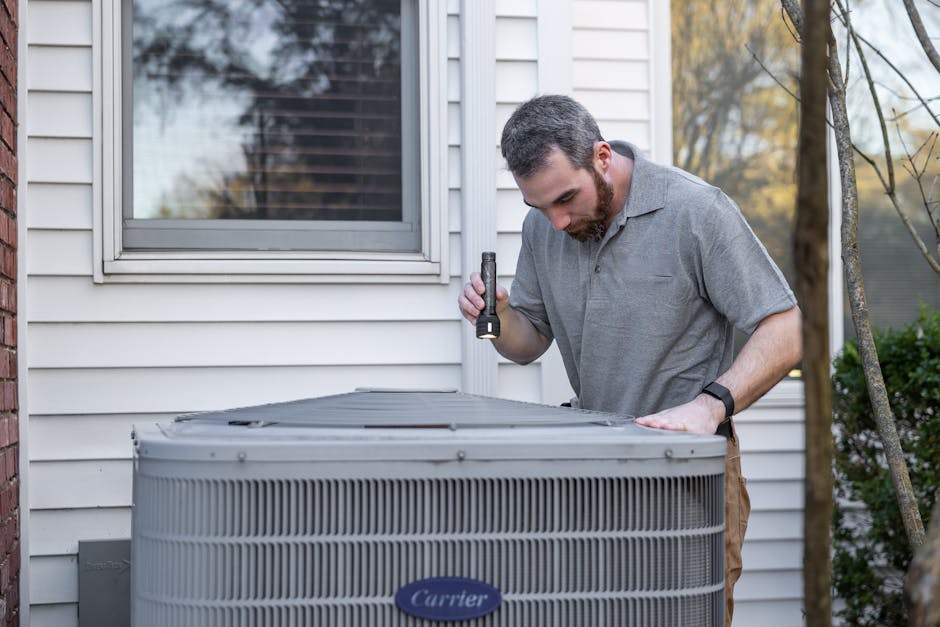
Why Every Homeowner Should Know How to Maintain Your Heating and Cooling System
Knowing how to maintain your heating and cooling system can save you money, prevent breakdowns, and keep your home comfortable year-round. Here’s a quick overview of the most important steps:
How to maintain your heating and cooling system:
- Replace or inspect air filters every 1-3 months
- Clear debris from the outdoor unit and keep plants at least 18 inches away
- Flush the condensate drain line once a year to prevent clogs and water damage
- Check that vents and registers are unblocked throughout your home
- Test your thermostat before each heating and cooling season
- Schedule a professional tune-up twice a year — spring for cooling, fall for heating
- Listen and watch for unusual noises, odors, or inconsistent temperatures
Your heating and cooling system is one of the hardest-working parts of your home. In fact, nearly half of the average home’s annual energy bill goes directly to heating and cooling costs. Yet fewer than half of homeowners have had their HVAC system serviced in the past year — leaving most systems running harder than they need to.
For homeowners in Vancouver, WA and across Southwest Washington, that gap matters. The Pacific Northwest’s wet winters and warm summers put real demand on HVAC equipment. A little routine care goes a long way toward avoiding costly emergency repairs and keeping your system running efficiently for years to come.
The good news? You don’t need to be an expert to handle most of it. A handful of simple, consistent habits — combined with professional tune-ups at the right time of year — can extend your system’s life by 25% or more and noticeably reduce your energy bills.

Why Learning How to Maintain Your Heating and Cooling System Matters
When we talk about HVAC care, we aren’t just looking for something to do on a Saturday morning. There are concrete, high-impact reasons to stay on top of your equipment. First and foremost is the impact on your wallet. Routine maintenance can improve your system’s seasonal efficiency by 10% to 20%. When your system runs efficiently, your monthly energy bills stay manageable.
There is also the matter of equipment longevity. HVAC systems typically last between 15 and 25 years, but that lifespan is a “best-case scenario.” Without care, components wear out prematurely. By following best ways to increase the life of your HVAC system, you can ensure you get the full value out of your investment.
Furthermore, there are several key benefits of regular HVAC service that relate directly to your family’s well-being. A well-maintained system provides better indoor air quality by effectively filtering out dust, pollen, and pet dander. More importantly, regular checks help identify safety hazards. For those with gas furnaces in places like Ridgefield or Battle Ground, a cracked heat exchanger can lead to carbon monoxide leaks—a silent but deadly threat that professional inspections are designed to catch. Understanding the regular AC maintenance benefits ensures you stay cool in the summer without worrying about a sudden system failure during a heatwave.
Monthly DIY Checklist for Peak Performance
You don’t need a tool belt to be the hero of your home’s comfort. A few monthly checks can prevent the vast majority of common HVAC issues. Start by checking your thermostat. If you haven’t upgraded yet, consider a smart model; they can reduce heating and cooling use by 8% to 15%. Make sure your settings match your current 2026 lifestyle and that the “auto” fan setting is used to save energy.
Next, walk through your home and check your vents. It is a common myth that closing vents in unused rooms saves energy. In reality, it increases pressure in the ductwork, which can lead to leaks. Keep all supply and return registers clear of furniture, rugs, or drapes to maintain proper airflow. Finally, do a quick visual inspection of your indoor unit. Look for any signs of water pooling or frayed wires. If you see something “off,” it’s always better to ask a professional than to wait for a breakdown.
How to maintain your heating and cooling system filters
The single most important DIY task is managing your air filters. Clogged filters are the leading cause of system failure because they force the blower motor to work twice as hard. Knowing when is it time to replace your furnace air filter depends on your household. If you have pets or live in a dustier part of Washougal, you might need a change every 30 days.
When buying filters, look at the MERV rating. For most Southwest Washington homes, a MERV 8 to 11 filter offers a great balance between air filtration and airflow. Be sure to check the impact of clogged filters on AC system performance; a dirty filter can reduce efficiency by 15% or more. When installing, always ensure the arrow on the filter frame points toward the unit, following the direction of the airflow.
How to maintain your heating and cooling system outdoor unit
Your outdoor condenser (or heat pump) needs room to breathe. We recommend keeping a 2-foot “no-fly zone” around the unit. Trim back shrubs, weeds, and long grass that might block airflow. During our 2026 summer months, follow these 10 summer air conditioning maintenance tips to keep things running smoothly.
Check the exterior of the unit for debris like leaves, twigs, or cottonwood seeds that can clog the delicate fins. You can gently rinse the exterior with a garden hose (never a pressure washer!) to clear out dust. For more details, check out these 10 simple air conditioner maintenance tips you need to know to keep your outdoor unit in top shape.
Seasonal Care: Preparing for Southwest Washington Weather
Our climate in communities like Camas and Vancouver requires a two-pronged approach to seasonal care. In the spring, your focus shifts to the cooling side. This is when you want to learn how to maintain air conditioner & be ready for the summer by testing the system on a mild day before the first heatwave hits.
As fall approaches, the priority flips to your heating system. Using a heating maintenance tips to prepare for winter checklist ensures your furnace or heat pump is ready for those chilly November nights. For homes in higher elevations like Yacolt or Amboy, knowing how to get your HVAC unit ready for winter is vital for safety and reliability.
| Task | Spring (Cooling Prep) | Fall (Heating Prep) |
|---|---|---|
| Filter | Replace with fresh filter | Replace with fresh filter |
| Outdoor Unit | Clear winter debris/leaves | Clear fall foliage/twigs |
| Thermostat | Switch to “Cool” and test | Switch to “Heat” and test |
| Drains | Flush condensate line | Inspect for clogs |
| Professional | Schedule AC Tune-up | Schedule Furnace Tune-up |
Advanced Maintenance: Drains, Ducts, and Heat Pumps
If you’re feeling a bit more adventurous, you can tackle the condensate drain line. This is the small PVC pipe that carries moisture away from your system. Over time, algae and “sludge” can build up, leading to a backup that might flood your mechanical room or trigger a system shutdown. Once a year, we recommend flushing the line with a bit of vinegar or a dedicated drain cleaner to keep it clear.
Ductwork is another area where efficiency is often lost. The Department of Energy suggests that up to 30% of the air moving through ducts is lost to leaks and holes. While the importance of regular duct cleaning for air quality is well-known, sealing those ducts with mastic sealant or foil tape is equally important for your energy bill.
For those with a heat pump, maintenance is a year-round job since the unit provides both heating and cooling. If you need heat pump maintenance in Brush Prairie, WA, it’s important to understand what does heat pump maintenance include. These systems require specific checks on the reversing valve and defrost cycle that are unique to heat pump technology.
When to Call a Professional for a Tune-Up
While DIY steps are great, there are parts of how to maintain your heating and cooling system that require a licensed pro. High-voltage electrical connections, refrigerant levels, and gas pressure adjustments are not DIY-friendly. A professional AC tune-up includes cleaning the evaporator coils and measuring airflow, tasks that require specialized tools.
Similarly, why regular heating tune-ups are key for home comfort often comes down to safety. A technician will inspect the heat exchanger for microscopic cracks and ensure the ignition system is firing correctly. This level of professional AC maintenance keeps the repairman away by catching small issues before they become “emergency call” disasters on a Sunday night. We highly recommend the benefits of yearly air conditioner inspections to keep your manufacturer’s warranty valid, as many brands require proof of professional service.
Frequently Asked Questions about HVAC Maintenance
How often should I schedule professional HVAC maintenance?
We recommend bi-annual service: once in the spring for your cooling system and once in the fall for your heating system. If you have a heat pump, these two visits are still essential to check the different modes of operation. Many homeowners find that an annual maintenance plan is valuable because it automates the scheduling and often includes perks like priority service.
What are the warning signs that my system needs repair?
Listen to your home! Strange clanging, screeching, or persistent clicking are all red flags. Unusual odors—like a “burning” smell that lasts more than a few minutes or a sulfur/rotten egg smell (which indicates a gas leak)—require immediate attention. If you notice frequent cycling (turning on and off rapidly) or weak airflow, it’s time to look into heating furnace maintenance in Brush Prairie, WA or your local area.
How can I extend the life of my HVAC system?
Consistent maintenance is the “secret sauce.” Beyond changing filters, using a smart thermostat to avoid drastic temperature swings can reduce wear and tear. Also, ensure you are completing essential furnace service tasks every year. The less strain you put on the system, the longer it will serve your home.
Conclusion
At All Around Mechanical, we believe that every homeowner in Southwest Washington deserves a comfortable, safe, and efficient home. Whether you are in Vancouver, La Center, or Longview, taking the time to learn how to maintain your heating and cooling system is one of the best investments you can make in your property.
While the DIY tips we’ve shared will go a long way, we are always here to handle the heavy lifting. From Ridgefield to Washougal, our team of licensed professionals is dedicated to providing exceptional service at competitive prices. We pride ourselves on our excellence, affordability, and deep roots in the Washington community. Don’t wait for the next Pacific Northwest weather extreme to find out if your system is up to the task. Schedule your expert HVAC maintenance today and breathe easy knowing your home comfort is in expert hands.