

 (360) 896-2829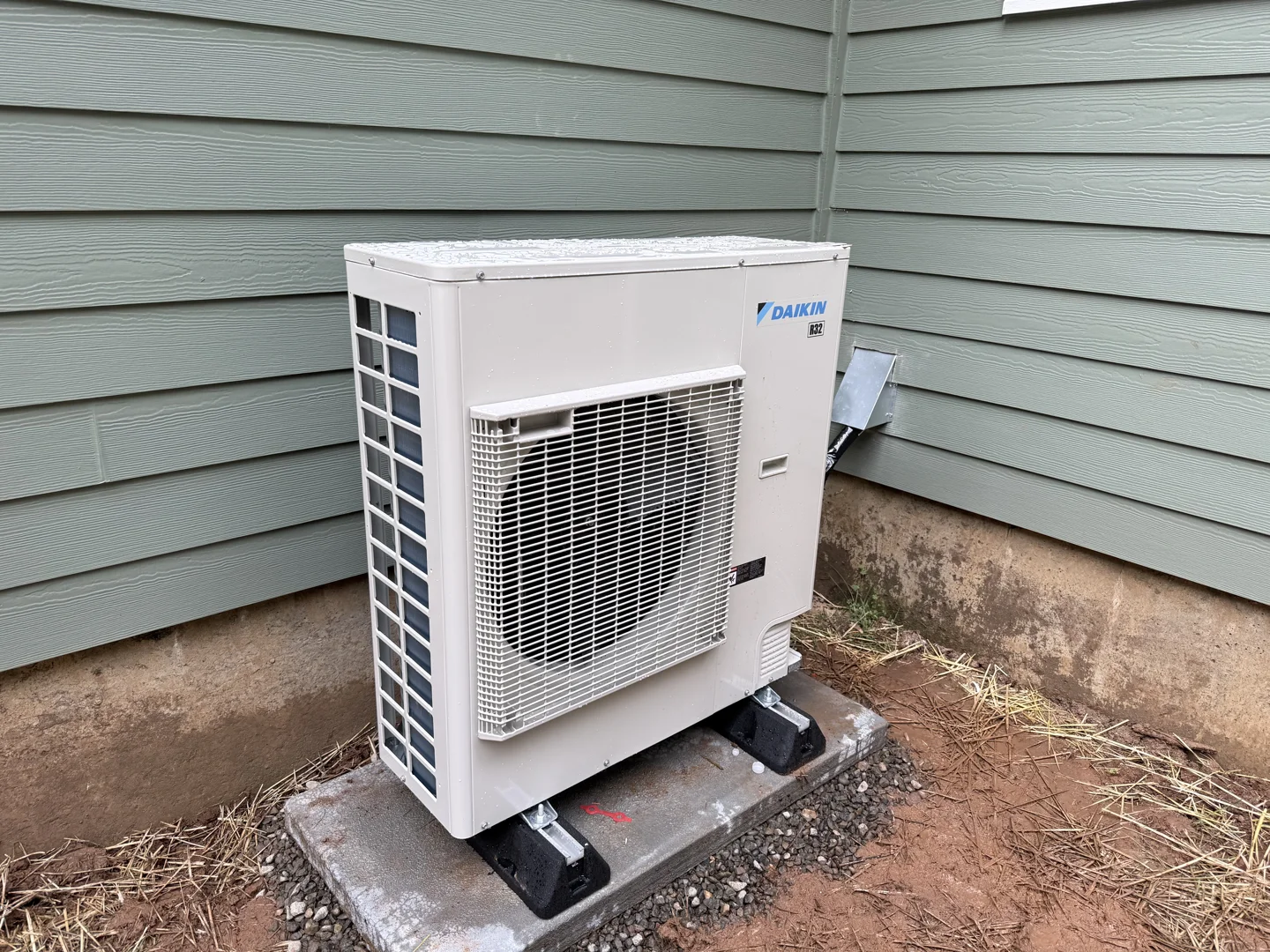
What an HVAC Maintenance Visit Actually Covers (And Why It Matters in Southwest Washington)
What does an HVAC maintenance visit include is one of the most practical questions a homeowner can ask before scheduling service. Here is a quick summary of what a professional technician typically covers:
- Air filter inspection and replacement
- Thermostat calibration and testing
- Electrical connections check (voltage, amperage, capacitors)
- Coil cleaning — both evaporator (indoor) and condenser (outdoor)
- Refrigerant level verification and leak check
- Condensate drain line clearing
- Blower motor and fan blade inspection
- Lubrication of moving parts
- Heat exchanger inspection and carbon monoxide safety check (heating systems)
- System controls and safety switch testing
- Ductwork visual inspection
- Full performance test under operating conditions
A thorough visit takes between 60 and 90 minutes per system. If a technician wraps up in under 20 minutes, you likely received a visual inspection, not a real tune-up.
For Vancouver, WA homeowners and families across Southwest Washington, skipping regular HVAC maintenance is a gamble — especially when summer heat and cold Pacific Northwest winters arrive fast. A system that hasn’t been serviced can lose up to 15% of its efficiency, and neglected equipment is far more likely to fail at the worst possible moment. The good news is that regular professional maintenance can extend your system’s lifespan by up to 48% and keep it running reliably year-round.

What does an hvac maintenance visit include terms at a glance:
- annual hvac maintenance is it worth it
- benefits of regular hvac maintenance in pacific northwest mild wet
- how often should you service your hvac
What Does an HVAC Maintenance Visit Include?

When you schedule a professional tune-up with us, our technicians perform a comprehensive series of checks and adjustments designed to restore your system to its peak operating condition. We don’t just glance at your equipment; we roll up our sleeves and perform a meticulous multi-point inspection.
Here is a detailed look at the core tasks performed during a standard professional maintenance visit:
- Thermostat Calibration and Testing: We verify that your thermostat is reading the indoor temperature accurately and communicating correctly with your heating and cooling equipment. This includes testing smart home integrations and programming settings to ensure your system isn’t running unnecessarily when you are away from home.
- Electrical Connection Testing: Loose electrical connections are a leading cause of system failures and safety hazards. We inspect and tighten all wiring connections, measure voltage, and test current on motors. Additionally, we test the capacitors—the components that give your system the electrical boost it needs to start up. Weak or failing capacitors are a primary cause of compressor failures during our warm summer months.
- Condensate Drain Line Cleaning: As your air conditioner or heat pump cools your home, it removes moisture from the air. This moisture collects in a drain pan and flows out through a condensate line. Over time, algae, dust, and slime can build up inside this line, leading to clogs. A plugged drain line can back up and cause severe water damage to your ceilings, walls, and floors. We flush and clean these lines mechanically to ensure smooth, uninterrupted drainage.
- Blower Motor and Fan Blade Inspection: The blower motor is the heart of your home’s airflow. We inspect the blower wheel for dirt buildup (which can throw it out of balance and damage the bearings), measure its amperage draw to ensure it isn’t overworking, and lubricate any moving parts to reduce friction and wear.
By performing these essential steps, we keep your system running smoothly and safely. For a deeper dive into the cooling-specific side of this process, you can read more about What AC Tune-Up Includes.
Seasonal Differences in Professional HVAC Care
The climate in Southwest Washington is unique. Our mild, wet winters and increasingly warm summers mean our heating and cooling systems face distinct demands depending on the time of year. Because of this, a spring maintenance visit looks very different from a fall visit.
| Spring Cooling Maintenance Focus | Fall Heating Maintenance Focus |
|---|---|
| Condenser & evaporator coil cleaning | Heat exchanger inspection for cracks & rust |
| Refrigerant level & leak detection checks | Burner assembly & ignition cleaning |
| Condensate drain line flushing | Gas pressure & fuel connection safety checks |
| Blower motor & outdoor fan blade inspection | Carbon monoxide & safety switch testing |
| Defrost cycle & reversing valve checks (Heat Pumps) | Auxiliary heat strip testing (Heat Pumps) |
Because heat pumps provide both heating and cooling, they require specialized care. During seasonal visits, we pay close attention to the reversing valve—the component that switches the system between heating and cooling modes—and test the defrost cycle to ensure the outdoor unit doesn’t freeze over during cold winter snaps in Ridgefield, WA or Battle Ground, WA.
To learn more about timing your services perfectly, check out our guide on Don’t Wait for a Breakdown: How Often to Schedule Your HVAC Tune-Up.
What does an hvac maintenance visit include for cooling systems?
During a spring cooling visit, the primary goal is to prepare your system for summer heat waves. The technician will focus heavily on the evaporator coil (located indoors) and the condenser coil (located outdoors).
Dirty coils act as an insulating blanket, reducing your system’s ability to absorb and release heat. This forces your air conditioner to run longer and harder, which quickly drives up your utility bills. We carefully clean these coils, check your system’s refrigerant charge using superheat and subcooling calculations, and perform thorough airflow testing. If refrigerant levels are low, it always indicates a leak rather than normal consumption, which we will locate and repair.
For more localized tips, read A Practical Guide to HVAC Maintenance for Southwest Washington Homeowners.
What does an hvac maintenance visit include for heating systems?
When we perform fall heating maintenance, safety is our absolute top priority. This is especially true for gas furnaces.
We inspect the heat exchanger for any hairline cracks or rust. A cracked heat exchanger is incredibly dangerous because it can leak carbon monoxide—an odorless, colorless, and potentially lethal gas—directly into your home’s breathing air.
We also test gas pressure, clean the burner assembly, inspect the ignition system, and perform professional combustion analysis. These steps ensure your furnace burns fuel safely and efficiently all winter long.
To keep your heating system in top-tier shape, read our Maintenance Secrets to Keep Your HVAC From Quitting on You.
Preventative vs. Corrective Maintenance: What Homeowners Need to Know
Understanding the difference between preventative and corrective maintenance can save you a significant amount of stress and money.
Preventative maintenance is proactive care. It is comparable to getting regular oil changes for your car or going to the dentist for routine cleanings. By scheduling regular tune-ups, you catch minor issues—like a fraying belt, a weakening capacitor, or a slightly dirty coil—before they spiral into major mechanical failures. This proactive approach maximizes your system’s lifespan, keeps your energy bills low, and ensures your system remains in compliance with manufacturer warranty terms.
Corrective maintenance, on the other hand, is reactive. This is what happens when a system is neglected until it breaks down—usually on the hottest day of July or the coldest night of January. Corrective maintenance involves emergency repairs, replacing failed compressors, or even having to replace the entire system prematurely.
Investing in regular, proactive care offers a fantastic return on investment by preventing these stressful and inconvenient breakdowns. You can explore this further in our article on The Real ROI of Regular Heating and Cooling Tune-Ups.
DIY Maintenance Tasks You Can Safely Perform
While complex technical tasks like testing electrical components, measuring refrigerant, or inspecting gas connections must always be left to licensed professionals, there are several simple, safe maintenance tasks that homeowners can perform to keep their systems running efficiently:
- Filter Replacement: This is the single most important task you can do. Check your air filters monthly. Standard one-inch filters should typically be replaced every 1 to 3 months. If you have pets, allergies, or live in a dusty area, you may need to change them more frequently.
- Understanding MERV Ratings: When buying filters, pay attention to the Minimum Efficiency Reporting Value (MERV) rating. Most residential systems are designed for filters rated between MERV 1 and MERV 8. Avoid high-MERV filters (MERV 13 and above) unless your system has been specifically modified to handle them, as these dense filters can restrict airflow and strain your blower motor.
- Outdoor Unit Clearance: Keep the area around your outdoor condenser unit clear of leaves, grass clippings, weeds, and debris. Maintain at least two feet of clearance around the entire unit to allow for proper airflow.
- Vent Cleaning: Regularly dust or vacuum your supply and return vents to prevent dust and pet dander from building up in your ductwork.
Evaluating HVAC Maintenance Plans and Avoiding Scams
Many homeowners choose to sign up for a professional service contract or maintenance plan. These plans provide peace of mind by automically scheduling your seasonal visits, offering priority scheduling during peak seasons, and providing discounts on parts and repairs if something does go wrong.
However, it is important to be a smart consumer and know how to identify high-quality service while avoiding common scams:
- Avoid “Clipboard Inspections”: Some low-quality service providers offer incredibly cheap “tune-ups” that amount to nothing more than a technician swapping a filter, glancing at the thermostat, and leaving in 15 minutes. A thorough, professional maintenance visit always takes at least 60 to 90 minutes.
- Watch for High-Pressure Upgrades: A trustworthy technician will explain their findings clearly, show you the worn parts or measurements, and offer practical, non-alarmist recommendations. Beware of companies that use scare tactics to push immediate, expensive system replacements.
- Look for NATE Certification: Ensure the company you hire employs NATE-certified technicians. This certification is the industry gold standard and ensures your technician has the rigorous training required to service your system correctly.
To learn more about what to look for in a service contract, read The Ultimate Guide to HVAC Maintenance Plans.
Frequently Asked Questions About HVAC Maintenance
How often should I schedule professional HVAC maintenance?
For standard heating and air conditioning systems, we recommend scheduling professional maintenance twice a year: once in the spring for your cooling system and once in the fall for your heating system.
If you have a heat pump that provides both heating and cooling year-round, these bi-annual visits are especially critical because the system operates through every season. Regular, seasonal scheduling is the best way to protect your system’s longevity and prevent sudden breakdowns.
To learn more about the long-term benefits of this schedule, read about the Key Benefits of Regular HVAC Service.
What signs indicate my system needs immediate service rather than waiting?
While regular maintenance prevents most issues, you should call for professional service immediately if you notice any of the following warning signs:
- Unusual Noises: Squealing, grinding, banging, or loud rattling noises indicate loose, worn, or broken mechanical components.
- Short Cycling: If your system turns on and off rapidly without ever reaching your set thermostat temperature, it is overworking and could suffer a major failure.
- Uneven Temperatures: Rooms that are significantly colder or warmer than the rest of the house point to airflow, ductwork, or system balancing issues.
- Carbon Monoxide Risks: If you have a gas furnace, watch for a yellow or flickering burner flame (it should always be a steady blue). Physical symptoms like unexplained headaches, dizziness, or nausea in your household are critical warning signs of a potential carbon monoxide leak.
Will skipping professional maintenance void my manufacturer warranty?
Yes, in almost all cases, it will. When you purchase a new HVAC system, it typically comes with a manufacturer’s parts warranty (often 5 years, extendable to 10 years with proper registration).
However, manufacturers explicitly state in their warranty terms that the system must be professionally maintained annually. If you make a warranty claim for a failed component but cannot provide documented proof of regular professional service, the manufacturer can deny your claim, leaving you responsible for the repair.
Find out more about protecting your investment by reading Annual Maintenance Plan: Are They Valuable?.
Conclusion
Your HVAC system is one of the most significant investments you will make in your home’s comfort and value. Knowing what does an HVAC maintenance visit include empowers you to make informed decisions, protect your equipment, and keep your utility bills as low as possible.
At All Around Mechanical, we are proud to serve our neighbors throughout Southwest Washington—from our home base in Ridgefield, WA to Vancouver, Brush Prairie, Battle Ground, Camas, Washougal, Yacolt, Ariel, La Center, Amboy, Kalama, and Longview, WA. Our dedicated, licensed professionals are committed to providing thorough, high-quality, and affordable preventative care that keeps your home cozy in the winter and refreshingly cool in the summer.
To learn more about keeping your home comfortable in the Pacific Northwest, explore The Ultimate Guide to HVAC Maintenance Benefits in the Pacific Northwest and find out Why Your HVAC System Craves a Maintenance Plan.
Ready to experience true peace of mind and year-round comfort? Schedule your professional HVAC service with All Around Mechanical today and let our local experts take care of the rest!