

 (360) 896-2829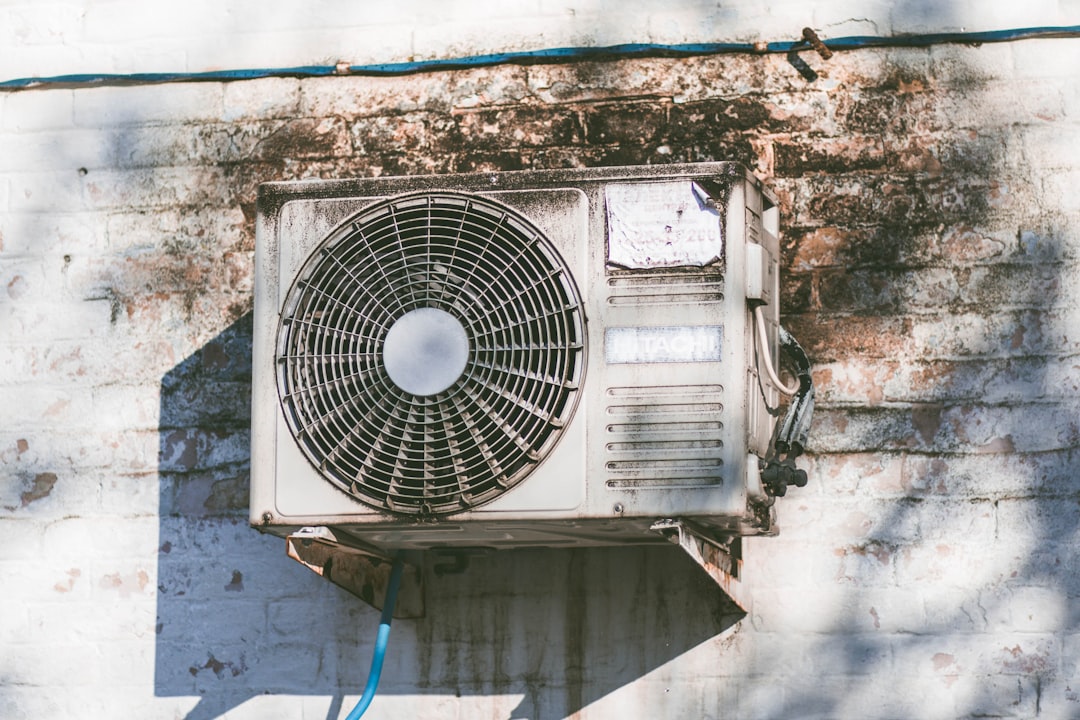
Why Upgrading Your HVAC Is a Breath of Fresh Air for Your Home Value
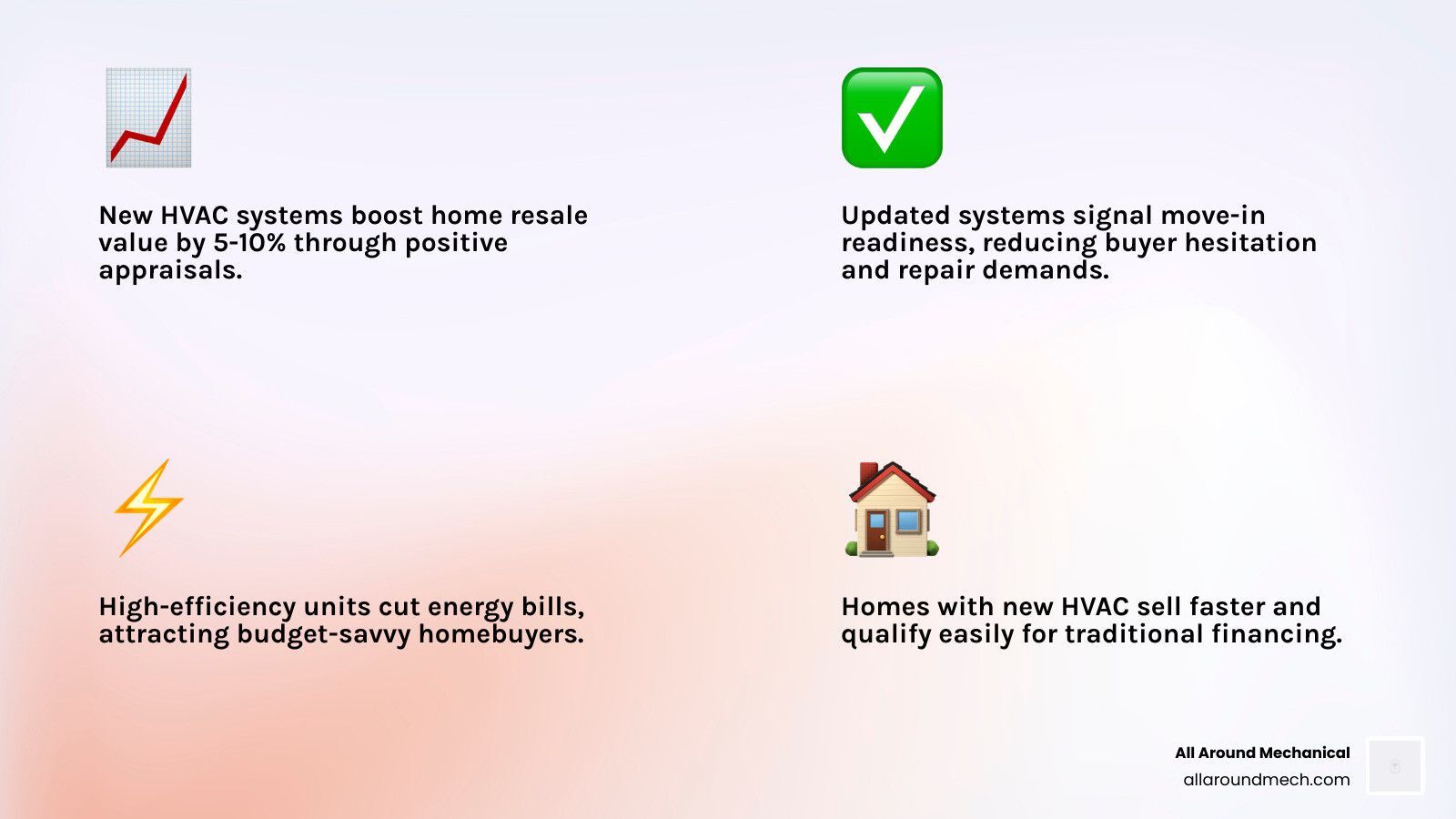
How a new HVAC system increases home value is one of the smartest questions a homeowner can ask before selling — and the answer is worth knowing even if you’re staying put. On average, a new system can boost your home’s resale value by 5% to 10%, help your home sell faster, and give buyers the confidence to make stronger offers.
Here’s a quick look at how it works:
- Appraisal boost: Appraisers factor in system age and efficiency, often adding thousands in value for newer units
- Buyer confidence: A new HVAC signals a well-maintained home, reducing buyer hesitation and repair credit requests
- Faster sales: Homes with updated systems tend to spend less time on the market
- Financing eligibility: Lenders require functional heating and cooling — a new system keeps your home eligible for traditional loans
- Energy savings: High-efficiency systems lower monthly utility bills, a major draw for budget-conscious buyers
For homeowners in Vancouver, Ridgefield, Brush Prairie, and across Southwest Washington, where both summer heat and winter cold demand a reliable system year-round, an HVAC upgrade isn’t just a comfort decision — it’s a financial one. Whether you’re planning to sell soon or simply want to protect your investment, understanding how your heating and cooling system affects your home’s value is essential.
How a New HVAC System Increases Home Value and Marketability
When a potential buyer walks through your front door, they aren’t just looking at the paint colors or the kitchen backsplash. They are mentally calculating future expenses. A furnace from 1995 or an outdoor unit covered in rust is a “red flag” that signals a massive bill waiting to happen. Conversely, how a new hvac system increases home value is often tied to the “peace of mind” factor.
Appraisal Impact and Move-in Readiness
Real estate appraisals are a critical part of the home-selling process. Appraisers look at “comparables” (comps) in your area. If your home has a brand-new, high-efficiency system while the neighbor’s house has a 20-year-old unit, your property receives a positive adjustment. This can directly increase your equity. Furthermore, today’s buyers prioritize “move-in readiness.” They want to know they won’t have to spend their first week in a new home calling for emergency repairs.
Buyer Confidence and Negotiation Leverage
A new system removes one of the most common hurdles in a real estate transaction: the inspection objection. When an inspector flags an aging HVAC system, the buyer often asks for a significant price reduction or a repair credit. By being proactive, you maintain control of the negotiation.
Moreover, why professional AC installation is crucial cannot be overstated. Buyers and inspectors look for professional workmanship. A DIY job or a “handyman special” can actually hurt your value by raising safety concerns or voiding manufacturer warranties. Ensuring professional AC installation is crucial for the paperwork trail that proves the system was installed to local SW Washington codes.
Financing Requirements
In many cases, a functional and safe heating system is a hard requirement for traditional financing, such as FHA or VA loans. If your system is failing, you may be limited to “cash-only” buyers or investors, which significantly lowers your potential sale price.
How a New HVAC System Increases Home Value in SW Washington
In our corner of the world—from Vancouver, WA to Ridgefield and Brush Prairie—we experience the full spectrum of Pacific Northwest weather. We have damp, bone-chilling winters and increasingly hot summers.
Local buyers in Southwest Washington have high expectations for climate control. A home without reliable cooling is no longer considered “standard” in our market; it’s seen as a project. When you invest in AC installation in Brush Prairie, WA, you are aligning your home with local market demands, ensuring that seasonal reliability is a selling point rather than a drawback.
How a New HVAC System Increases Home Value Through Air Quality
In 2026, buyers are more health-conscious than ever. They aren’t just looking for “hot or cold” air; they want clean air. Modern HVAC systems do more than regulate temperature; they manage humidity and filter out pollutants like pollen, dust, and even certain viruses.
- Humidity Control: Proper humidity levels prevent mold growth and protect hardwood floors—two things every buyer loves.
- Advanced Filtration: Systems equipped with HEPA filters or whole-home air purifiers significantly reduce allergens.
- New Construction Standards: If you are building or buying a new home, AC inspections for new construction projects ensure the ductwork is sealed and the air quality is optimized from day one.
Maximizing ROI with Energy Efficiency and High SEER Ratings

If you’re going to upgrade, doing it right means looking at efficiency. The Return on Investment (ROI) for a new HVAC system can be as high as 71%, especially when you choose high-efficiency models.
Understanding SEER2 and Energy Star
The SEER2 (Seasonal Energy Efficiency Ratio) rating tells you how much energy the system uses to cool your home. In 2026, a higher SEER2 rating is a major marketing tool. Buyers love seeing the “Energy Star” logo because it translates to lower monthly utility bills.
Tax Credits and Incentives
The federal government and local utilities often offer significant financial incentives for high-efficiency upgrades. These can include:
- Federal Tax Credits: Under current programs, you can often claim a credit for a percentage of the installation cost for qualified heat pumps or high-efficiency furnaces.
- Utility Rebates: Many local providers in SW Washington offer rebates to encourage homeowners to switch to energy-saving technology.
When we perform a heat pump installation, we help homeowners understand how these incentives can offset the initial investment, making the “net cost” much lower while the added home value remains high.
Heat Pumps vs. Central Air
In the Pacific Northwest, heat pumps have become the “gold standard” for efficiency. They provide both heating and cooling by moving heat rather than creating it.
| Feature | Central Air + Gas Furnace | Air-Source Heat Pump |
|---|---|---|
| Primary Energy Source | Electricity & Natural Gas/Propane | Electricity |
| Efficiency | High (AFUE 90%+) | Ultra-High (300-400%) |
| Resale Appeal | Traditional/Standard | Modern/Eco-Friendly |
| SW Washington Suitability | Excellent for extreme cold | Excellent for moderate PNW climate |
Eco-conscious buyers are often willing to pay a premium for a home that uses less carbon and costs less to operate.
Strategic Timing: When to Replace Your System Before Selling
Timing is everything. You don’t want to replace a system that is only five years old, but you also don’t want to wait until the furnace dies on the day of your open house.
The 15-Year Rule
Most HVAC systems have a lifespan of about 15 to 20 years. If your system is over 12-15 years old, it is likely reaching the end of its reliable life. At this stage, the cost of frequent repairs often outweighs the cost of a new HVAC installation.
Signs It’s Time to Replace Rather Than Repair
- Rising Utility Bills: An old system works harder to do the same job, spiking your energy use.
- Uneven Temperatures: If the upstairs is a sauna while the living room is a fridge, the system is failing.
- Frequent Repairs: If you’ve called us more than twice in the last year for repairs, it’s time to consider an upgrade.
Documentation is Key
Before you list your home, gather your maintenance records. A buyer is much more impressed by a “New HVAC 2025” listing when you can provide the service history and warranty transfer information. Preparing your home for AC installation and keeping the area around the unit clean also helps with that “well-maintained” first impression during showings.
Frequently Asked Questions about HVAC and Home Value
How much value does a new HVAC system typically add to a home?
While every market is different, most data suggests a 5% to 10% increase in resale value. For a $500,000 home in Vancouver, WA, that could mean an additional $25,000 to $50,000 in value. More importantly, it prevents “value loss” from buyers who would otherwise deduct the cost of a new system from their offer.
Is a heat pump better for resale value than a traditional furnace?
In Southwest Washington, yes. Because heat pumps offer both heating and cooling in one highly efficient unit, they are incredibly attractive to modern buyers. We specialize in new construction HVAC in Brush Prairie, WA, and we see more builders and buyers opting for heat pumps because of their versatility and sustainability.
Should I replace my HVAC system if it is still functional but over 12 years old?
If you plan to sell in the next year or two, yes. A 12-year-old system is a “ticking clock” to a buyer. Replacing it now allows you to market the home as having a “New HVAC System,” which is a powerful psychological trigger for buyers. It also allows you to enjoy the lower energy bills yourself until the house sells. When making this choice, how to choose an HVAC contractor: 5 essential tips will help you find a partner who can provide a system that fits your home’s specific needs without overspending.
Conclusion
At All Around Mechanical, we know that your home is your biggest investment. Whether you are in Ridgefield, Camas, or Longview, the quality of your heating and cooling system plays a massive role in your property’s value and your daily comfort.
We are dedicated, licensed professionals committed to providing exceptional service at competitive prices. From heat pump replacements to indoor air quality solutions, we prioritize excellence and customer satisfaction in everything we do. Don’t let an aging HVAC system hold back your home’s potential.
If you’re ready to see how a new hvac system increases home value for your specific property, we’re here when you need us most. We serve the entire Southwest Washington community with pride.
Ready to upgrade your comfort and your home’s value? Explore our HVAC services and get your free estimate today!