

 (360) 896-2829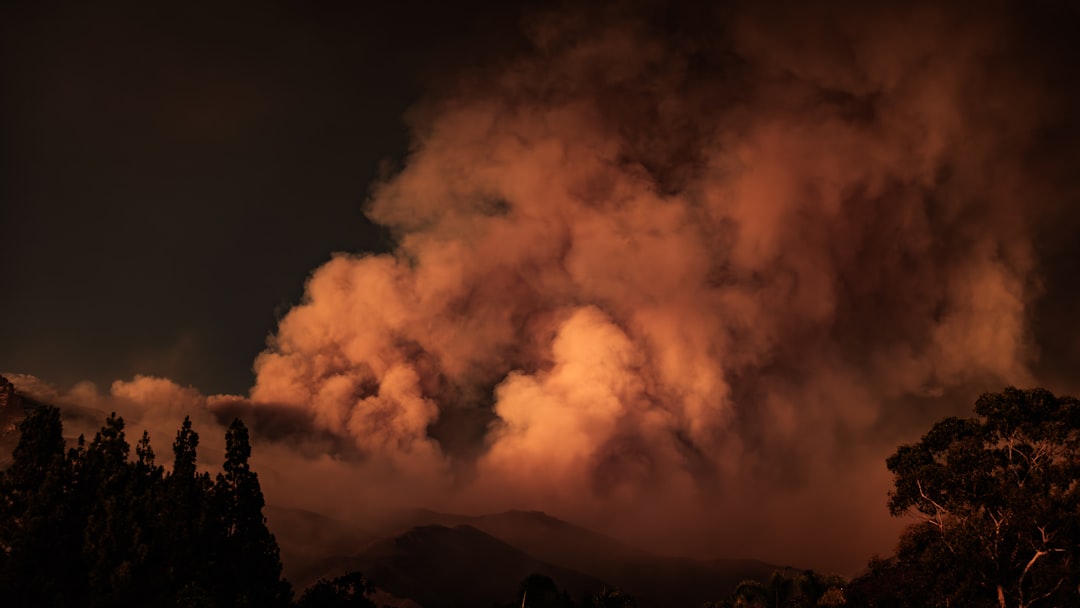
How Persistent Rain, Humidity, and Wildfire Smoke Change Air Quality
When we look at the sky during a “smoke event” in Southwest Washington, we aren’t just seeing wood smoke. Wildfire smoke is a complex cocktail of particulate matter (PM2.5), carbon monoxide, nitrogen oxides, and volatile organic compounds. In places like Vancouver, WA, or Ridgefield, the interaction between these pollutants and our local weather patterns—specifically our high relative humidity—changes the very nature of the air we breathe.
How persistent rain humidity and wildfire smoke stress your system outdoors
Outdoors, the Air Quality Index (AQI) can be deceptive when humidity is high. Smoke particles are “hygroscopic,” meaning they attract water vapor. In a humid environment, these tiny particles can actually grow in size as they absorb moisture. This makes the air feel “heavy” and increases the “breathing load” on your lungs. Instead of breathing in dry dust, you are inhaling damp, chemically-laden aerosols that stick to the lining of your airways more effectively. This combination creates a significant cardiovascular strain as your heart works harder to pump oxygenated blood through a system fighting off irritants.
Why smoke can linger after rain instead of fully disappearing
We’ve all heard that a good rain “washes the air.” While heavy rain can indeed scrub the atmosphere through a process called “wet deposition,” light rain or drizzle often isn’t enough to clear the slate. In fact, moisture can sometimes trap smoke near the ground.
In the Pacific Northwest, we often experience “inversions,” where a layer of warm air acts as a lid, trapping cool, moist, smoky air in the valleys. This means that even after a light rain in Camas or Battle Ground, you might still smell smoke. The humidity prevents the smoke from rising and dispersing, leading to a “humid haze” that lingers for days. Furthermore, smoke particles can act as “seeds” for cloud formation (cloud seeding), creating a cycle where the smoke actually influences local weather patterns, sometimes delaying the very winds needed to blow the pollutants away.
How humidity changes smoke movement and persistence across regions
Humidity significantly alters air density. Interestingly, humid air is actually less dense than dry air, which influences how smoke-laden winds move through our local geography. In Southwest Washington, smoke from massive fires in Canada or California often funnels through mountain passes or settles into the Columbia River Gorge.
When this smoke hits the humid, coastal-influenced air of the Vancouver area, it tends to stabilize. Instead of drifting away, the smoke becomes a persistent regional fixture. In 2017, the Chetco Bar fire showed us how smoke can travel hundreds of miles and stay “locked in” due to a lack of significant atmospheric clearing, leaving residents in a state of constant exposure.

What Happens Inside Your Body When Humid Air and Smoke Combine
The human body is resilient, but it isn’t designed to process the combination of high humidity and concentrated PM2.5. When you inhale these elements, you aren’t just irritating your throat; you are triggering a systemic immune response.
How persistent rain humidity and wildfire smoke stress your system in the lungs and airways
Your lungs use tiny hair-like structures called cilia to sweep out dust and debris. However, wildfire smoke is so fine (PM2.5) that it bypasses these defenses. When the air is humid, the moisture carries these particles deeper into the bronchial tubes. This causes immediate bronchial irritation and airway swelling. For those in our community with asthma or COPD, this leads to a rapid increase in mucus production, chest tightness, and shortness of breath. Even healthy individuals will notice a significant “exercise intolerance”—that feeling where you simply can’t catch your breath during a walk or yard work.
How persistent rain humidity and wildfire smoke stress your system beyond the lungs
The damage doesn’t stop at the lungs. Once PM2.5 enters the bloodstream, it can cause systemic inflammation. Research has shown that smoke exposure can destabilize existing arterial plaque, potentially leading to heart attacks or strokes even in people who didn’t previously have high plaque buildup.
Furthermore, these particles can reach the brain via the olfactory tract (your sense of smell) or the bloodstream. This triggers “neuroinflammation,” which manifests as brain fog, persistent headaches, and extreme fatigue. Your kidneys and liver also come under stress as they attempt to filter out the heavy metals (like mercury and cadmium) and toxins often found in modern wildfire smoke—especially when that smoke contains residues from burned homes and synthetic materials.
Why humid smoky air can amplify immune and mental health strain
The stress is both physical and psychological. High humidity and smoke increase the presence of cytokines—signaling molecules that ramp up inflammation. This weakened state makes you more susceptible to respiratory infections; in fact, summer smoke exposure has been correlated with three to five times more flu cases later in the year.
Mentally, the lack of “clean” air and the gloom of a smoky, humid day contribute to increased rates of anxiety and depression. When you can’t open your windows or go outside for exercise, your sleep disruption and stress levels spike. In SW Washington, where we value our outdoor lifestyle, this “environmental confinement” is a major mental health stressor.

Who Faces the Highest Risk and What Symptoms Should Never Be Ignored
While everyone is affected by poor air quality, certain groups in our Southwest Washington communities are much more vulnerable.
High-Risk Groups Include:
- Children: Their lungs are still developing, and they breathe more air per pound of body weight than adults.
- Older Adults: Pre-existing heart or lung conditions make it harder for the body to compensate for the added stress.
- Pregnant Women: Systemic inflammation can affect fetal development and has been linked to lower birth weights.
- Outdoor Workers: Construction crews, agricultural workers, and mail carriers in Vancouver and surrounding areas face prolonged, unavoidable exposure.
- People with Pre-existing Conditions: Those with asthma, COPD, or heart disease are at immediate risk of “flares.”
Early warning signs of unhealthy exposure
You don’t have to wait for a “Red” AQI day to feel the effects. Pay attention to:
- Stinging, watery eyes
- A persistent “scratchy” or sore throat
- Mild wheezing or a dry cough
- Unusual headaches or “heavy” feeling in the head
- Increased fatigue during normal daily activities
Red-flag symptoms that need prompt medical attention
If you or a loved one experiences the following, seek medical help immediately:
- Severe trouble breathing: Feeling like you can’t get enough air even while resting.
- Chest pain or pressure: This can indicate heart strain or a potential cardiac event.
- Sudden confusion or dizziness: A sign that the brain is not receiving adequate oxygen or is reacting to systemic toxins.
- Blue or grayish tint to the lips or fingernails: A critical sign of low oxygen levels.
- Asthma attacks that do not respond to a rescue inhaler.
How Climate Change Is Making Humid Smoke Events More Common
In May 2026, we are seeing the reality of what scientists predicted years ago: “smoke season” is now a regular part of the Pacific Northwest calendar. Climate change has fundamentally shifted our weather patterns, leading to a dangerous overlap of heat, moisture, and fire.
Why bigger fires and shifting moisture patterns now overlap more often
We are seeing a trend of “hotter and wetter” extremes. While we still get our famous Washington rain, we also experience intense “heat domes” that dry out forest fuels rapidly. When fires break out, they are often followed by atmospheric rivers or humid stretches. This means that instead of the dry, “crisp” smoke of the past, we are dealing with the “humid smoke” we’ve discussed—smoke that is heavier, more toxic, and stays lower to the ground. In 2025, California saw historic fires that destroyed over 10,000 structures, and the resulting smoke plumes traveled thousands of miles, impacting air quality across the entire West Coast.
Where research is still catching up
While we know smoke is bad, scientists are still racing to understand the “synergistic” effects of modern smoke. Today’s wildfires don’t just burn trees; they burn cars, houses, and industrial chemicals. We are still learning how these synthetic toxins interact with high humidity to affect long-term human health. There is also a need for better “micro-modeling”—predicting how smoke will settle in specific neighborhoods in Brush Prairie or Washougal compared to downtown Vancouver.
How to Protect Your Home and Health During Humid Smoke Events
When the AQI climbs and the humidity rises, your home should be your sanctuary. However, without the right strategy, indoor air can actually become more polluted than outdoor air.
Step-by-step actions for safer indoor air
- Create a “Clean Room”: Choose one room (like a bedroom) where you can run a portable HEPA air purifier 24/7.
- Seal the Gaps: Use weatherstripping or even damp towels to seal gaps under doors and around windows.
- Manage Indoor Pollutants: Do not burn candles, avoid frying food (which releases smoke), and skip vacuuming unless your vacuum has a HEPA filter, as standard vacuums can kick settled particles back into the air.
- Control Humidity: Use a dehumidifier to keep indoor humidity levels between 30% and 50%. This prevents mold growth and makes the air easier to breathe.
- Hydrate: Drinking plenty of water helps keep your mucous membranes moist, which allows your body to flush out inhaled particles more effectively.
How your HVAC can help manage smoke and moisture at the same time
Your HVAC system is your first line of defense. By using a high-quality filter (MERV-13 is the gold standard for smoke), you can scrub the air in your entire home.
- Recirculate Mode: Ensure your system is set to “recirculate” so it isn’t pulling in smoky air from outside.
- Run the Fan: Even if you aren’t cooling the house, keeping the HVAC fan “On” ensures the air is constantly passing through the filter.
- Maintenance is Key: A clogged filter or a dirty coil makes your system work twice as hard, especially in humid weather. We recommend checking out our guide on Maintenance Secrets to Keep Your HVAC from Quitting on You to ensure your system is ready for the strain.
- Professional Service: Regular inspections can identify airflow issues that prevent proper filtration. Learn more about the Key Benefits of Regular HVAC Service and How to Maintain Air Conditioner Be Ready for the Summer.
Smart seasonal preparation for Southwest Washington homes
Don’t wait for the smoke to arrive. In Ridgefield or La Center, spring is the time to prepare.
- Spring Tune-Up: Ensure your AC or heat pump is running efficiently.
- Stock Up on Filters: Buy your MERV-13 filters before the “rush” hits in July and August.
- Check Your Seals: Inspect your home for air leaks before the winter moisture or summer smoke arrives.
For more tips on regional weather preparation, see our articles on How to Protect My AC in the Summer, How to Get Your HVAC Unit Ready for Winter, and Is Your HVAC Gorge Proof Understanding Local Weather Stress.
Frequently Asked Questions About How Persistent Rain Humidity and Wildfire Smoke Stress Your System
Does rain always clear wildfire smoke from the air?
No. While heavy, sustained rain can “wash” the air, light drizzle or humidity can actually trap smoke particles near the ground. Furthermore, smoke from distant fires can be transported high in the atmosphere and settle over Southwest Washington even if it is raining locally.
Is humid smoky air worse for asthma and heart conditions?
Yes. The combination of moisture and PM2.5 makes the particles “stickier” and heavier, increasing the load on your respiratory system. Humidity also makes it harder for the body to cool itself, which adds extra strain to the heart.
What is the best way to prepare my HVAC for smoke and humidity season?
The most effective steps are upgrading to a MERV-13 filter and scheduling a professional inspection to ensure your system’s drainage and airflow are optimized. Check out our resources on Regular AC Maintenance Benefits, The Benefits of Yearly Air Conditioner Inspections, and Best Ways to Increase the Life of Your HVAC System for more expert advice.
Conclusion
Living in Southwest Washington means enjoying some of the most beautiful landscapes in the country, but it also means adapting to a changing climate. Understanding how persistent rain humidity and wildfire smoke stress your system is the first step toward protecting your family’s health and your home’s comfort.
By staying informed, monitoring air quality through apps like AirNow, and ensuring your HVAC system is professionally maintained and properly filtered, you can build a more resilient home. At All Around Mechanical, we are dedicated to helping our neighbors in Vancouver, Battle Ground, Ridgefield, and beyond breathe easier—no matter what the weather brings.
For more information on how we can help optimize your indoor air quality and maintain your home’s systems, visit our HVAC services page. Let’s work together to keep your home a safe, comfortable haven all year long.