

 (360) 896-2829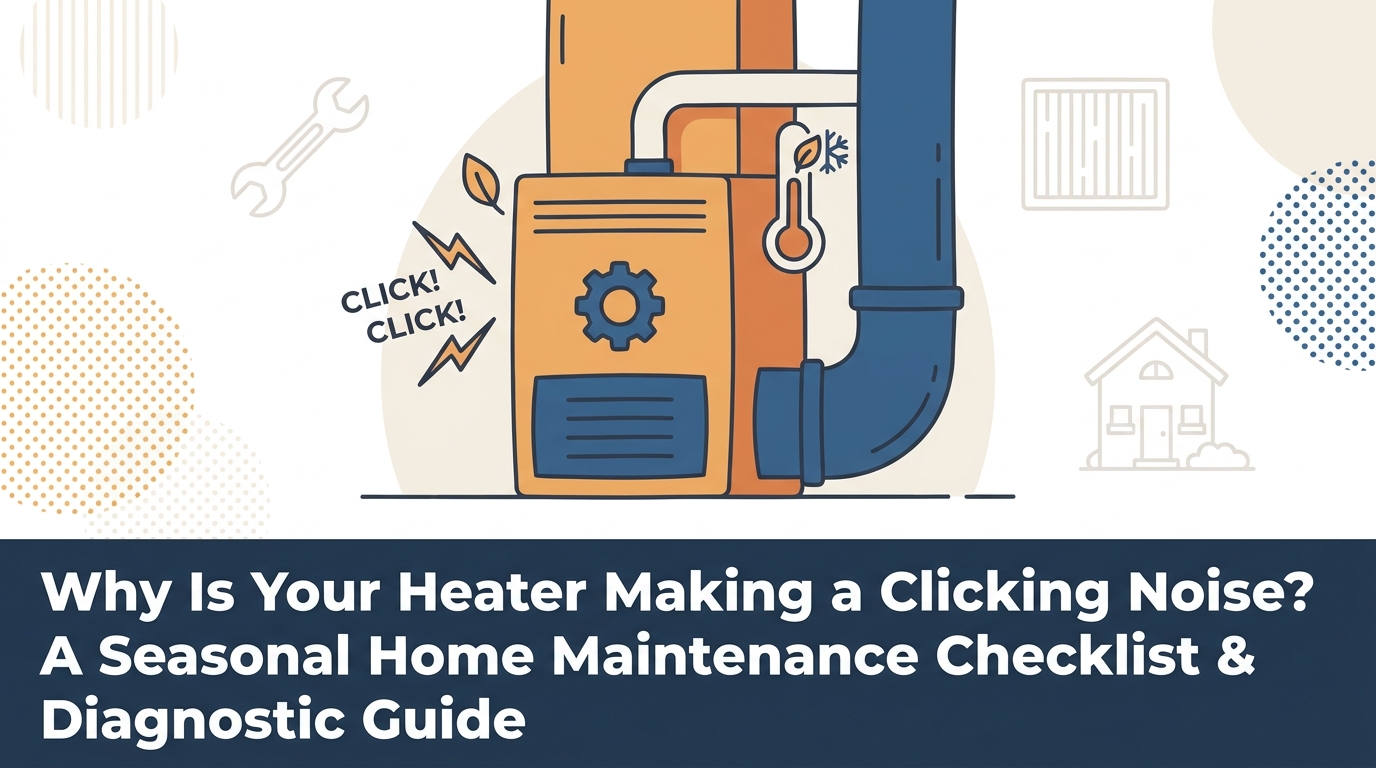
Are You Prepared for the Changing Weather? Why Heater Noises Demand Immediate Attention
Is your heating system actually ready for the cold, or is it just waiting to fail on the first freezing night? Building a comprehensive seasonal home maintenance checklist is the only way to know for sure. Preparing your property and core systems for the upcoming seasonal transition is a critical step to prevent unexpected failures. The decision point for homeowners is clear: prioritize preventative maintenance tasks now, before the weather change hits and forces an emergency repair.
With freezing temperatures approaching in the local area, ensuring a fully functioning heating system is a top priority. In our experience servicing homes throughout the local area, our team consistently sees emergency HVAC service calls predictably peak during the first major temperature drop of the season. Systems that have sat dormant for months are suddenly pushed to their limits, revealing hidden mechanical flaws.
One of the most common early warning signs of mechanical failure is an unusual noise. While a quiet hum is normal, distinct sounds—specifically a repetitive clicking noise—demand immediate attention. Catching these acoustic warnings early allows you to address the root cause before a minor ignition issue turns into a total system breakdown on the coldest night of the year.
Preventing System Failures: Core Heating Priorities for Your Seasonal Home Maintenance Checklist
A thorough diagnostic approach bridges general household upkeep with specific mechanical checks. Based on the winter breakdown patterns our business sees year after year, we recommend focusing your seasonal home maintenance checklist on these critical areas to ensure your system is ready for the winter workload:
- Replacing HVAC filters: A clogged filter restricts airflow, forcing the blower motor to work harder and causing the heat exchanger to overheat. Swap out standard 1-inch filters every 30 to 90 days to ensure proper airflow and system efficiency.
- Testing the thermostat: Your thermostat acts as the brain of your heating system. Verify that it reads the room temperature accurately and successfully triggers the heating cycle without delay. If the screen is blank or unresponsive, start by replacing the batteries.
- Checking for drafts and applying weatherstripping: A heating system can only do so much if the warm air immediately escapes through drafty windows and doors. Sealing leaks around your home’s thermal envelope reduces the overall workload on your furnace.
- Identifying unusual acoustic warning signs: Pay close attention to the sounds your system makes during startup. Listen specifically for clicking sounds, grinding, or loud bangs. A healthy system starts smoothly; repetitive clicking usually indicates an ignition failure.
- Scheduling preventative heating maintenance: The most effective item on any checklist is a professional tune-up. A licensed technician can clean flame sensors, inspect heat exchangers, and lubricate moving parts to ensure peak winter efficiency.
Decoding the Sound: Why Is Your Heater Making a Clicking Noise?
Not all clicking noises are cause for panic. A single, distinct click when your thermostat engages to signal the furnace is a completely normal operational sound. It simply means the electrical relay has closed, sending power to the heating sequence. However, if the system clicks repetitively—like a gas stove trying to light but failing—you are likely dealing with a malfunction in the ignition sequence.
If you are hearing other strange noises alongside the clicking, reviewing a guide on 6 furnace sounds and what they mean can help you identify the culprit. For repetitive clicking, the issue almost always traces back to the components responsible for lighting the burner.
| Type of Sound | Typical Timing | Probable Cause | Required Action |
|---|---|---|---|
| Single, quiet click | Right before cycle starts | Thermostat relay engaging | None (Normal operation) |
| Rapid, continuous clicking | During startup sequence | Dirty or worn spark igniter | Professional cleaning or replacement |
| Clicking followed by silence | After draft inducer starts | Faulty gas valve failing to open | Professional diagnostic required |
| Clicking with a loud bang | Delayed burner ignition | Gas pooling before igniting | Immediate shutdown and inspection |
Malfunctioning Spark Igniters
Modern gas furnaces do not use standing pilot lights; they use electronic ignition systems. When the thermostat calls for heat, the system initiates a specific sequence. First, the draft inducer motor clears residual gases. Next, the spark igniter begins to click, creating a spark to light the incoming gas. If the igniter is dirty, coated in carbon buildup, or worn out from age, it will spark continuously without successfully lighting the burner. You will hear a rapid “click-click-click” sound, followed by the system shutting down into a safety lockout mode.
Faulty Gas Valves
The spark igniter and the gas valve work in tandem. For a flame to ignite, the gas valve must open at the exact moment the igniter sparks. If the solenoid inside the gas valve is stuck, or if the control board fails to send the correct voltage, the valve will refuse to open. The igniter will click, attempting to light the gas, but because no fuel is present, the furnace will blow cold air or shut down entirely. This requires professional testing with a multimeter to determine if the valve or the board is at fault—a diagnostic step our technicians perform daily during the fall rush.

Is a Clicking Sound in Your Heating System Dangerous?
While a dirty spark igniter is primarily a nuisance that leaves you in the cold, other causes of clicking carry severe safety risks. One of the most critical hazards is delayed gas ignition. If the igniter struggles to spark, the open gas valve may continue to pump natural gas into the combustion chamber. When the spark finally catches, the pooled gas ignites all at once, creating a small explosion. This often sounds like a loud bang or boom immediately following the clicking.
Repeated delayed ignition puts immense stress on the metal components of your furnace, particularly the heat exchanger. Over time, these small explosions can cause the metal to warp and crack. A cracked heat exchanger is a severe life-safety issue, as it allows carbon monoxide exposure by leaking combustion gases directly into your home’s breathing air.
Because the root cause of a clicking noise can range from a harmless dirty sensor to a dangerous gas buildup, repetitive, unresolved clicking should never be ignored. When dealing with potentially dangerous heating malfunctions like gas ignition failures, relying on the trusted expertise of our business ensures your system is evaluated safely and correctly. Objective diagnostics are required to protect your home and family.
A Step-by-Step Diagnostic Guide for Homeowners
Before calling for a repair, there is an objective methodology you can follow to safely evaluate the clicking noise. This step-by-step diagnostic process helps rule out simple external issues and gathers vital information for your technician.
- Check the thermostat settings: Ensure the thermostat is set to the “Heat” position and the temperature is set at least three degrees higher than the current room temperature. A system set to “Auto” or “Cool” will not initiate the heating sequence, no matter how cold the house gets.
- Verify the power supply: Furnaces require electricity to run the blower motor, control board, and igniter. Check the power switch located on the side of the furnace (it looks like a standard light switch) to ensure it is in the “On” position. Next, check your main electrical panel for any tripped breakers labeled for the HVAC system.
- Inspect the gas supply valve: Look at the gas line running into the side of your furnace. There is a shutoff valve on this line. The handle should be parallel to the gas pipe, indicating it is fully open. If the handle is perpendicular to the pipe, the gas is shut off, which explains why the igniter is clicking without producing a flame.
- Observe the timing of the click: Stand near the furnace while someone else turns up the thermostat. Note exactly when the clicking starts. Does the fan turn on first? Does it click rapidly for a few seconds and stop? Does it click continuously for minutes? Writing down this sequence provides your technician with a massive head start on the repair.
When to Stop Diagnosing and Schedule an Inspection
There is a clear, objective threshold for when a homeowner should stop DIY diagnostics and call a professional. Heating systems involve high-voltage electricity, combustible gases, and carbon monoxide. Crossing the line from observation into amateur repair is dangerous and can void your manufacturer warranty.
You should immediately turn off the system at the thermostat and schedule an inspection if the system clicks repeatedly but fails to ignite or blow hot air after two attempts. This indicates the system is entering a hard lockout for your safety. Furthermore, if there is any smell of natural gas (often described as a rotten egg odor) near the unit, evacuate the area, call your local utility provider, and then contact a heating expert.
Finally, if the clicking is exceptionally loud, rapid, or accompanied by banging and rattling, shut the system down. Routine preventative maintenance prevents the majority of these unexpected breakdowns by catching worn igniters and sticky valves long before the cold weather sets in.
Frequently Asked Questions About Seasonal Heating Diagnostics
What should be on a fall home maintenance checklist?
A comprehensive fall home maintenance checklist should prioritize filter replacement, thermostat testing, gutter cleaning, and a professional heating inspection. These tasks secure the home’s exterior against moisture while ensuring the core heating systems operate efficiently. Tackling these items early prevents minor wear and tear from escalating into emergency repairs during the first freeze.
Why is my heater making a clicking noise but not blowing hot air?
A heater that clicks without blowing hot air indicates a failure in the ignition sequence, most often caused by a faulty spark igniter or a closed gas valve. The clicking you hear is the system attempting to light the fuel, but without a successful flame, the safety sensors prevent the blower motor from distributing cold air. This requires a professional to clean the ignition assembly or test the gas pressure.
Is a clicking sound in my furnace dangerous?
While a single click from the thermostat is normal, repetitive clicking in the furnace can be dangerous if it leads to delayed gas ignition. If gas pools in the combustion chamber before finally catching, it creates a small explosion that can crack the heat exchanger over time. A cracked heat exchanger risks carbon monoxide leaking into your home, making it a critical safety issue.
How do I prepare my heating system for winter?
You prepare your heating system for winter by clearing debris around the outdoor and indoor units, changing the air filters, and testing the system before the cold weather arrives. Running the furnace for a full cycle in early autumn allows you to listen for unusual noises like rattling or clicking. Scheduling a professional preventative maintenance tune-up is the final step to guarantee winter readiness.
When should I call a professional for furnace noises?
You should call a professional any time a furnace noise is repetitive, exceptionally loud, or associated with a lack of heat or a gas smell. Normal operation includes a quiet hum and the sound of rushing air, but grinding, screeching, banging, or rapid clicking indicates mechanical distress. Ignoring these sounds usually leads to more expensive repairs and sudden system failures.
Can a dirty filter cause a furnace to click?
Yes, severe airflow restriction from a dirty filter can cause the system to overheat and short-cycle, leading to a clicking sound as the high-limit safety switches repeatedly engage and disengage. When the furnace gets too hot, it shuts down the burner to protect the heat exchanger, then clicks back on once it cools, creating a frustrating loop of inadequate heating.
Finalize Your Seasonal Preparations: Talk to a Local Heating Expert
There is immense peace of mind that comes with completing a seasonal home maintenance checklist. Knowing that your property is sealed and your core systems are tested means you can face the upcoming seasonal transition without worrying about sudden breakdowns. By understanding the specific warning signs—like a repetitive clicking noise or a system that refuses to blow hot air—you know exactly when a professional is needed.
Don’t wait until the first freezing night to find out your ignition system is failing. If your heater is making unusual sounds, or if it has been more than a year since your last tune-up, the right next step is to have it evaluated by a licensed technician. Schedule an inspection today to ensure your heating system operates safely and efficiently all winter long.