

 (360) 896-2829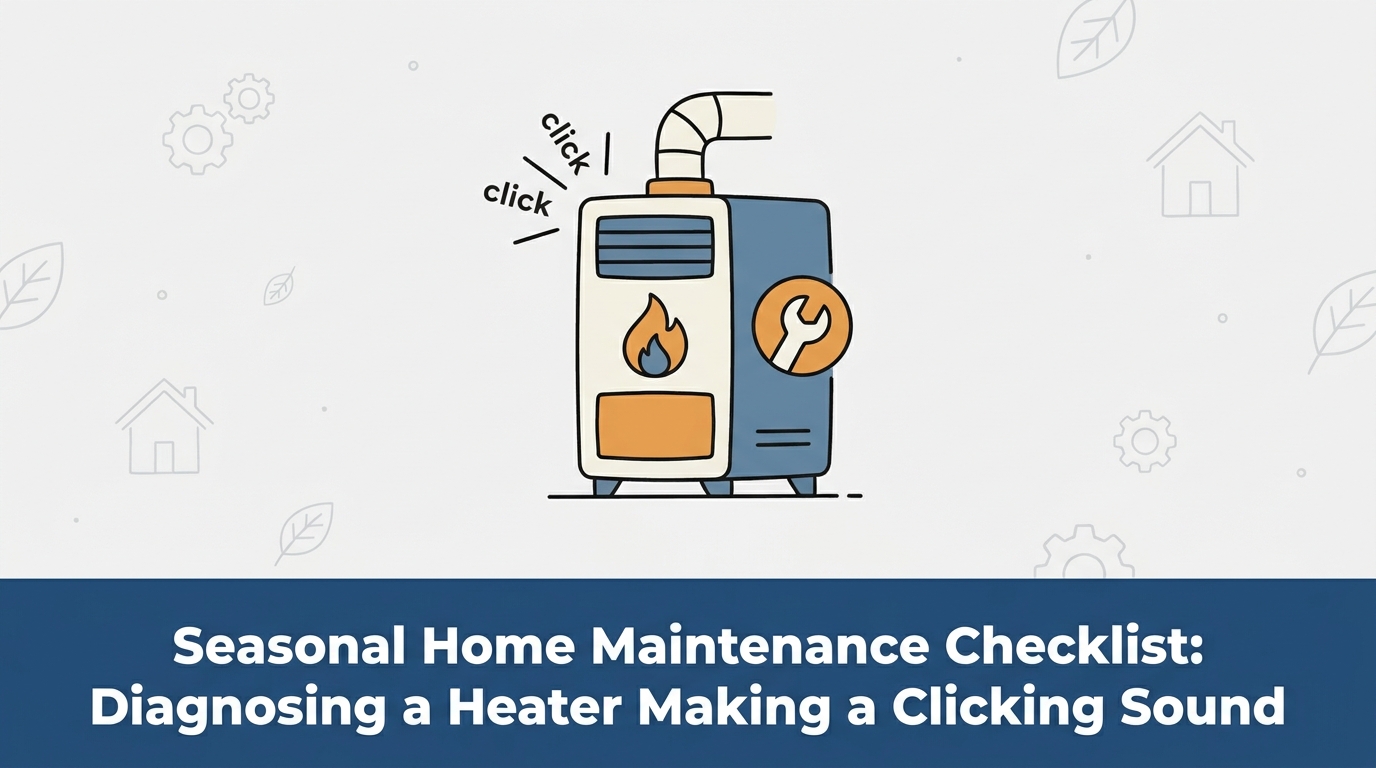
Are You Prepared for the First Major Temperature Drop?
Is your heating system truly ready for the sudden mechanical strain of colder weather, or are you simply hoping it fires up when the thermostat drops? Working through a technical seasonal home maintenance checklist is the only reliable way to remove the guesswork from your property’s winter preparation. Unexpected system failures almost always occur precisely when sudden cold fronts place maximum mechanical stress on unmaintained units. As local temperature drops during the shift to colder months create urgency for reliable heating, your equipment must be capable of transitioning from months of dormancy to running multiple cycles per hour.
The concrete problem many homeowners face is determining exactly which preventative tasks to tackle immediately versus when a symptom requires professional intervention. Securing professional heating services early in the fall ensures your system is evaluated before emergency conditions arise. By taking a structured approach to preparation during the peak seasonal transition, you can identify early warning signs—like strange noises or delayed starts—before they result in a total system shutdown on the coldest night of the year.
The Technical Seasonal Home Maintenance Checklist for HVAC Systems
A standard-practice methodology for seasonal preparation requires moving far beyond basic aesthetic cleaning. To ensure your system survives the peak seasonal transition, you must evaluate objective criteria that impact mechanical performance. According to Department of Energy and ASHRAE standard practice guidelines, dirty filters and unmaintained internal components are the leading causes of HVAC failure. In fact, routine maintenance can maintain up to 95 percent of a heating system’s original efficiency.
Follow this technical checklist to objectively evaluate your system’s readiness:
- Verify thermostat communication: Test the low-voltage communication between your thermostat and the control board. Ensure the system responds to a call for heat within a few seconds. If there is a delay, it may indicate failing batteries or a degraded wire connection.
- Replace restrictive air filters: A clogged filter dramatically increases static pressure within the ductwork. This forces the blower motor to overwork and can cause the heat exchanger to overheat and trip safety limit switches. Always install a fresh, appropriately sized filter.
- Clear the mechanical perimeter: Ensure all return air grilles are unobstructed by furniture or rugs. For the heating unit itself, maintain at least two feet of clearance from boxes, stored items, and combustible materials to guarantee safe airflow.
- Inspect for early warning signs: Run the system through a full heating cycle while standing near the unit. Listen for unusual grinding, scraping, or clicking noises. Sometimes, preventative checks reveal that furnace repair is necessary before the heavy winter usage begins.
Identifying Early Mechanical Risks: Why Is the Heater Clicking?
Transitioning from general maintenance to specific symptom diagnostics is critical during the peak seasonal transition. One of the most common early warning signs of mechanical distress is a repetitive clicking noise. Ignoring this symptom often leads to total failure when the system is under maximum seasonal stress. Understanding what this sound indicates helps you recognize when a vital component is struggling to perform its job.
When you hear a heater making a clicking noise, it generally points to a disruption in the ignition sequence or a failing electrical relay. A single, brief click is often normal, but continuous, rapid clicking means the system is repeatedly attempting to perform an action and failing. Recognizing where the breakdown occurs requires an understanding of how your system operates.
The Ignition Sequence Explained
Every modern heating system follows a strict, automated sequence of operations to ensure safe combustion. If any step fails, the system shuts down to prevent gas buildup or electrical damage.
- The call for heat: The thermostat detects a temperature drop and sends a signal to the furnace control board.
- Draft inducer activation: A small motor starts up to clear residual gases from the heat exchanger and establish a safe draft.
- Pressure switch verification: A sensor confirms the draft inducer is pulling enough air. If successful, the sequence continues.
- The igniter sequence: The control board sends voltage to the spark igniter or hot surface igniter. This is where a normal, brief click often occurs.
- Gas valve opening: The gas valve solenoids open, releasing fuel to the burners to be lit by the igniter.
- Flame verification: A flame sensor detects the presence of fire. If no flame is sensed within a few seconds, the system shuts the gas valve and tries again.

Common Technical Causes Behind a Clicking Heating System
When a heating system gets stuck in a repetitive loop during the peak seasonal transition, specific components are usually to blame. Providing an objective, technical evaluation of these parts helps clarify why the unit is struggling.
- Faulty Spark Igniters: Much like a spark plug in a car engine, a furnace spark igniter creates a high-voltage arc to light the gas. Over time, the ceramic casing can crack, or the metal electrodes can wear down. When this happens, the igniter fails to create a strong enough spark, resulting in a continuous, rapid clicking sound as the control board repeatedly tries to force ignition. Solution: A professional must test the resistance and replace the worn igniter assembly.
- Gas Valve Issues: The gas valve operates using electromagnetic solenoids. When the control board commands the valve to open, the solenoid clicks. If the valve is seized or the solenoid is receiving inadequate voltage, it will fail to open. You will hear the click of the electrical command, but no gas will flow, prompting the system to retry and click again. Solution: A certified technician must verify gas pressure and test the valve’s electrical continuity.
- Relay Switch Problems: The main control board routes electricity to various motors and components using relay switches. As these relays age, the internal contacts can become pitted or coated in carbon. A failing relay will rapidly chatter or click as it struggles to maintain a solid electrical connection. Solution: The control board must be diagnosed and potentially replaced if the relays are fused or failing.
- Flame Sensor Malfunctions: The flame sensor is a vital safety device. If it becomes coated in carbon or oxidation, it cannot detect the microamps of electricity that flow through the burner flame. The system will ignite successfully, but shut down three seconds later because it thinks there is no fire. It will then restart the sequence, leading to repetitive cycling and clicking. Solution: The sensor must be carefully removed and cleaned with specialized abrasive material, or replaced if the porcelain is cracked.
Evaluating Normal Operation Versus Dangerous Malfunctions
Establishing clear thresholds between normal operational sounds and dangerous malfunctions is a core part of effective property management during the peak seasonal transition. Knowing the difference prevents unnecessary panic while ensuring you do not ignore a severe safety hazard.
| Sound Profile | Likely Source | Severity Level | Required Action |
|---|---|---|---|
| A single, solid click followed by a low hum. | Relay switch engaging the draft inducer or blower motor. | Normal Operation | None. Monitor system for standard heating cycle. |
| 3 to 5 seconds of rapid ticking, followed by a “whoosh” of flames. | Spark igniter lighting the gas burners successfully. | Normal Operation | None. Ensure the home reaches the target temperature. |
| Continuous, rapid clicking for minutes with cold air blowing. | Failing spark igniter or defective control board relay. | Moderate to High | Turn off the system at the thermostat and request service. |
| Clicking followed by silence, repeated every few minutes. | Dirty flame sensor causing short-cycling lockouts. | Moderate | Schedule maintenance to clean the sensor and prevent wear. |
| Clicking accompanied by the strong smell of natural gas. | Gas valve opening but igniter failing to spark. | Emergency | Shut off the system immediately, ventilate, and call a professional. |
The mechanical consequences of allowing a system to continuously short-cycle or fail to ignite are severe. Repeatedly stressing the inducer motor, control board, and relays will significantly shorten the lifespan of the equipment. Furthermore, unburned gas accumulation poses a severe safety risk to the property.
Objective Criteria for Professional Heating Diagnostics
There is a strict threshold where DIY troubleshooting must end and professional intervention must begin. Electrical and gas component diagnostics require certified expertise to prevent safety hazards like gas leaks, electrical fires, or carbon monoxide exposure. Attempting to bypass safety switches or wire components without proper training is incredibly dangerous.
Professional, reliable local service expertise to safely diagnose and repair heating systems without the risks of DIY is essential during the peak seasonal transition. You should call for heating repair services when you observe any of the following objective criteria:
- Persistent clicking with no heat: If the system clicks for more than a minute without producing warm air, a mechanical failure has occurred in the ignition sequence.
- Multiple failed ignition lockouts: Modern furnaces will attempt to light three times. If they fail, they enter a “hard lockout” for safety and will not try again for several hours. This requires a professional reset and diagnostic.
- Suspicion of gas valve failure: If you hear the system trying to ignite but smell gas, the valve may be stuck open or failing to seal properly.
A professional diagnostic methodology removes the guesswork. A certified technician will use a multimeter to test voltage drops across relays, inspect the circuit board for burn marks, verify incoming and manifold gas pressure with a manometer, and measure the microamp draw of the flame sensor. This objective testing ensures the root cause is resolved safely.
Frequently Asked Questions About Heating Diagnostics and Seasonal Maintenance
Why is my heater clicking but not turning on?
A heater that clicks without turning on is usually struggling with a failed ignition sequence. The clicking sound is typically the spark igniter attempting to light the gas, or a relay on the control board failing to send power to the blower motor. If the gas valve does not open or the igniter is broken, the system will continuously click without ever producing a flame. This requires a professional to test the electrical continuity of the ignition components.
What is the clicking noise in my furnace?
The clicking noise in a furnace is most commonly the spark igniter, the gas valve solenoids, or electrical relays on the circuit board. During a normal cycle, you will hear a brief click as the system transitions between stages of operation. However, if the clicking is rapid, repetitive, and continuous, it indicates a component is malfunctioning and the system is stuck in a diagnostic retry loop during the peak seasonal transition.
How often should I do seasonal HVAC maintenance?
Standard practice dictates that you should perform seasonal HVAC maintenance twice a year: once in the fall for the heating system, and once in the spring for the cooling system. Adhering to a strict maintenance schedule ensures internal components are clean, electrical connections are tight, and safety mechanisms are fully operational before the equipment is subjected to extreme weather conditions.
Is a clicking heater dangerous?
A clicking heater can be dangerous if the sound is accompanied by the smell of natural gas, which indicates the gas valve is open but the fuel is not being ignited. In most other cases, a clicking heater is a mechanical nuisance that will eventually lead to a hard lockout, leaving your home without heat. However, because it involves high-voltage electricity and combustible gas, diagnostics should always be handled by a certified professional.
What happens mechanically when seasonal maintenance is ignored?
When seasonal maintenance is ignored, mechanical friction and electrical resistance increase throughout the system. Dirty filters cause the blower motor to overheat, oxidized flame sensors cause the system to short-cycle, and worn igniters fail to light the burners. Over time, this compounded stress leads to premature component failure, higher energy consumption, and unexpected breakdowns during the most demanding weather conditions.
When should I call a professional for a clicking furnace?
You should call a professional immediately if the furnace clicks continuously without producing heat, if the system enters a safety lockout mode, or if you detect any odors of gas or burning plastic. Do not attempt to open the burner compartment or test electrical relays yourself. A certified technician has the proper tools to safely measure voltage drops and gas pressures to resolve the issue correctly.
Secure Your Heating System’s Reliability This Season
Following a strict technical maintenance checklist prevents minor issues from compounding into emergency failures during the peak seasonal transition. Addressing early warning signs, such as a repetitive clicking sound, guarantees that your system operates with the highest level of safety and mechanical efficiency when you need it most.
If your heating system is exhibiting signs of mechanical stress, struggling to ignite, or failing to maintain a consistent temperature, do not wait for a total breakdown. Schedule a professional inspection today to ensure your equipment is thoroughly tested, properly calibrated, and fully prepared to keep your property comfortable all winter long.