

 (360) 896-2829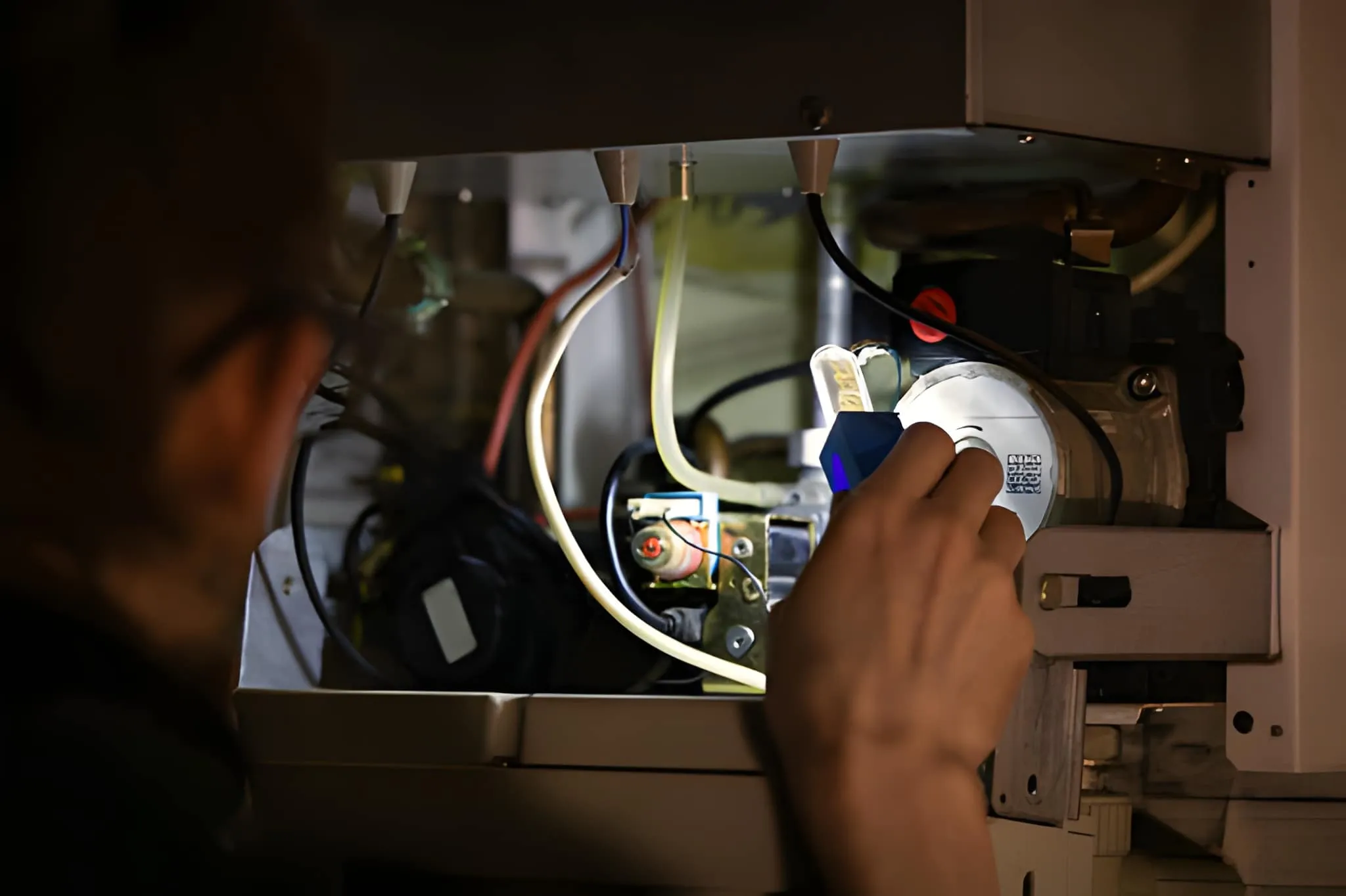
Winter Heating Safety Tips for Your Home & Family: Essential Guide to Protect Your Household

As winter approaches, ensuring the safety of your home heating systems becomes paramount. With the cold weather, families often rely heavily on furnaces, space heaters, and fireplaces, making it crucial to understand the best practices for maintaining these systems. This comprehensive guide will provide essential winter heating safety tips to protect your household from potential hazards. You will learn about furnace maintenance, carbon monoxide prevention, safe practices for using space heaters and fireplaces, fire prevention strategies, and when to contact professionals for heating system repairs. By following these guidelines, you can ensure a warm and safe environment for your family during the winter months.
What Are the Most Important Furnace Maintenance Tips for Winter Safety?
Furnace maintenance is critical for ensuring safe and efficient heating during winter. Regular upkeep not only prolongs the life of your furnace but also prevents potential hazards such as carbon monoxide leaks and fire risks. Key maintenance practices include annual inspections, timely air filter replacements, and maintaining proper clearance around heating equipment. By adhering to these practices, homeowners can significantly reduce the risk of heating-related incidents.
How Does Annual Professional Furnace Inspection Prevent Hazards?
Annual professional furnace inspections are essential for identifying potential issues before they escalate into serious hazards. During these inspections, HVAC technicians check for gas leaks, ensure proper ventilation, and verify that all components are functioning correctly. This proactive approach helps ensure compliance with safety standards and can prevent dangerous situations such as carbon monoxide poisoning or furnace fires.
Why Is Regular Air Filter Replacement Critical for Safe Heating?
Regular air filter replacement is crucial for maintaining safe heating in your home. Dirty filters can restrict airflow, causing the furnace to work harder and potentially overheat. This not only reduces heating efficiency but also increases the risk of system failure and fire hazards. Homeowners should replace air filters every 1-3 months during the heating season or as recommended by the furnace manufacturer to ensure optimal performance and safety.
How Can You Prevent Carbon Monoxide Poisoning During Winter?
Preventing carbon monoxide (CO) poisoning is vital for winter safety, as this colorless, odorless gas can be deadly. Key strategies include installing carbon monoxide detectors, ensuring proper ventilation for heating appliances, and being aware of the signs of CO exposure. By taking these precautions, families can significantly reduce the risk of carbon monoxide poisoning in their homes.
What Are the Key Signs and Symptoms of Carbon Monoxide Exposure?
Recognizing the signs and symptoms of carbon monoxide exposure is crucial for early intervention. Common symptoms include headaches, dizziness, nausea, and confusion. In severe cases, exposure can lead to loss of consciousness or even death. If you suspect carbon monoxide poisoning, it is essential to evacuate the area immediately and seek medical attention.
Where Should Carbon Monoxide Detectors Be Installed and How Often Tested?
Carbon monoxide detectors should be installed on every level of your home, particularly near sleeping areas. It is recommended to test these detectors monthly and replace the batteries at least once a year. Additionally, detectors should be replaced every 5-7 years or according to the manufacturer’s instructions to ensure they function correctly. Regular testing and maintenance of CO detectors are vital for keeping your family safe from carbon monoxide poisoning.
Research consistently demonstrates the critical role of proper installation and ongoing maintenance in maximizing the effectiveness of carbon monoxide detectors.
Carbon Monoxide Detector Installation & Maintenance
CO detectors with audible alarms were developed. This study aims to evaluate the effectiveness of CO detectors. Outreach efforts on proper installation and maintenance of CO detectors.
Carbon monoxide detector effectiveness in reducing poisoning, Wisconsin 2014–2016, PD Creswell, 2014
What Are Safe Practices for Using Space Heaters and Fireplaces at Home?
Using space heaters and fireplaces safely is essential for preventing fires and ensuring a warm environment. Key practices include maintaining a three-foot clearance around space heaters, using only approved fuel for fireplaces, and ensuring proper ventilation. By following these guidelines, homeowners can enjoy the benefits of supplemental heating while minimizing risks.
How Do You Follow the 3-Foot Rule to Prevent Space Heater Fires?
The 3-foot rule is a simple yet effective guideline for preventing space heater fires. This rule states that space heaters should be kept at least three feet away from flammable materials such as furniture, curtains, and bedding. Additionally, never leave space heaters unattended while in use, and always turn them off when leaving the room or going to bed.
What Are Essential Fireplace and Chimney Safety Tips for Winter?
To ensure fireplace safety during winter, homeowners should follow several essential tips. Regular chimney cleaning is crucial to remove creosote buildup, which can lead to chimney fires. Additionally, using fireplace screens can prevent sparks from escaping and causing fires. Homeowners should also ensure that their fireplaces are properly ventilated to allow smoke to escape safely.
Further emphasizing the importance of regular maintenance, studies highlight how proper chimney cleaning directly impacts fire safety by reducing creosote accumulation.
Chimney Cleaning & Creosote for Fire Safety
to reduce creosoto (SEE Creosote discussion in the Fire Safety section of this Guidebook). low burn rite, creosote accumulation will be increased, and frequent chimney cleaning will be
properly, they can reduce emissions and creosote formation quite, 1985
Which Home Fire Prevention Strategies Enhance Winter Heating Safety?
Implementing effective fire prevention strategies is vital for enhancing winter heating safety. Homeowners should regularly test smoke alarms, keep flammable materials away from heating equipment, and create an emergency escape plan. By taking these proactive measures, families can significantly reduce the risk of fire-related incidents during the winter months.
How Often Should Smoke Alarms Be Tested and Maintained?
Smoke alarms should be tested monthly to ensure they are functioning correctly. Additionally, homeowners should replace the batteries at least once a year and replace the entire unit every 10 years. Regular maintenance of smoke alarms is essential for providing early warning in case of a fire, helping to protect your family and home.
What Are Best Practices for Keeping Flammable Materials Away from Heating Equipment?
Keeping flammable materials away from heating equipment is crucial for preventing fires. Homeowners should maintain a safe distance of at least three feet between heating devices and any combustible items. This includes items such as paper, cloth, and wood. Additionally, storing flammable materials in a designated area away from heating services can further reduce fire risks.
When Should You Contact Professionals for Heating System Repairs and Safety Services?
Knowing when to contact professionals for heating system repairs is essential for maintaining a safe and efficient home heating environment. Signs of malfunction include unusual noises, inconsistent heating, and increased energy bills. Homeowners should not hesitate to seek professional assistance when they notice these issues, as timely repairs can prevent more significant problems down the line.
The importance of professional intervention for heating system issues is further underscored by expert discussions on HVAC fault detection, diagnosis, and maintenance.
HVAC Fault Detection, Diagnosis & Maintenance
the cost-effectiveness of field diagnostics, training that is needed to find and mitigate the major defects, and whether there is a good business model for quality HVAC maintenance.
Expert Meeting Report: HVAC Fault Detection, Diagnosis, and Repair/Replacement, 2016
What Are the Benefits of Hiring NATE-Certified Technicians for Furnace Tune-Ups?
Hiring NATE-certified technicians for furnace tune-ups offers several benefits. These professionals have undergone rigorous training and testing, ensuring they possess the necessary skills and knowledge to perform high-quality service. By choosing certified technicians, homeowners can have peace of mind knowing that their heating systems are in capable hands, leading to improved efficiency and safety.
How Does Professional Carbon Monoxide Detector Installation Improve Home Safety?

Professional installation of carbon monoxide detectors ensures that these devices are placed in optimal locations for maximum effectiveness. Technicians can assess your home’s layout and recommend the best spots for installation, ensuring that detectors are positioned to provide early warnings. This proactive measure significantly enhances home safety by reducing the risk of carbon monoxide exposure.
| Maintenance Task | Frequency | Importance |
|---|---|---|
| Annual Furnace Inspection | Once a year | Prevents hazards and ensures efficiency |
| Air Filter Replacement | Every 1-3 months or as recommended | Maintains airflow and reduces fire risk |
| Smoke Alarm Testing | Monthly | Ensures early warning in case of fire |
This table highlights the essential maintenance tasks that homeowners should prioritize to ensure winter heating safety. Regular inspections and timely replacements can significantly reduce the risk of heating-related incidents.
Homeowners can take several proactive steps to enhance winter heating safety. Here are some key practices to consider:
- Regular Maintenance: Schedule annual inspections and tune-ups for your heating systems.
- Install Detectors: Ensure carbon monoxide and smoke detectors are installed and functioning correctly.
- Follow Safety Guidelines: Adhere to safety practices for using space heaters and fireplaces.
- Create an Emergency Plan: Develop a fire escape plan and practice it with your family.
By implementing these strategies, families can create a safer home environment during the winter months. Taking the time to prioritize heating safety can prevent accidents and ensure a warm, comfortable home for everyone.