

 (360) 896-2829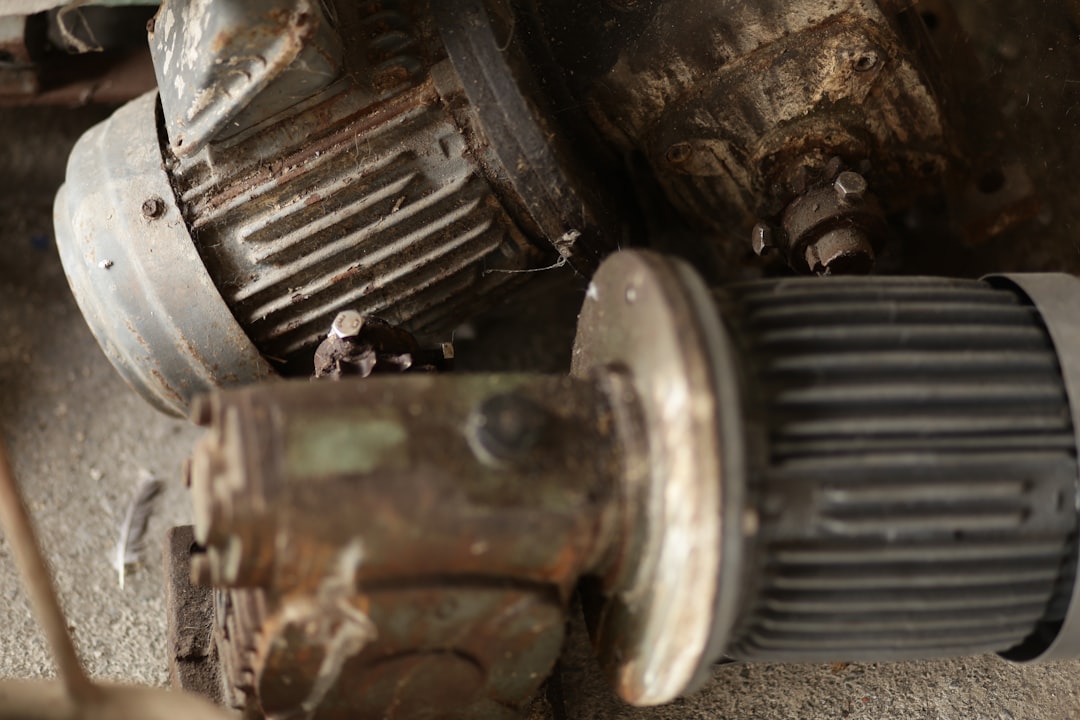
What Causes a Heat Pump to Make High-Pitched Noises?
A high-pitched squeal or whine from your heat pump can stem from several mechanical or operational issues. These sounds are often a clear indicator that something isn’t quite right within your system, whether it’s located in Vancouver, Brush Prairie, or any of our service areas in Southwest Washington. Common culprits include failing blower motor bearings, worn or slipping belts, issues with compressor pressure, refrigerant leaks, problems with fan motors or blades, loose components, or even electrical issues. Sometimes, vibrations from refrigerant lines can also contribute to these irritating sounds. Understanding the specific cause is crucial for a targeted and effective solution. For a broader overview of heat pump noises, you can visit our page on Heat Pump Makes Noise.
Could Failing Blower Motor Bearings or Worn Belts Be the Culprit?
One of the most frequent causes of a persistent high-pitched squeal is related to your heat pump’s blower assembly. Inside your indoor unit, the blower motor works hard to circulate air throughout your home. Over time, the bearings within this motor can wear out, become dry, or lose lubrication. This wear creates friction, leading to a distinct, high-pitched grinding or squealing sound as the motor operates. Similarly, if your system uses a belt-driven blower (more common in older models), this belt can become worn, frayed, or misaligned. A slipping or damaged belt will produce a high-pitched squeal as it struggles to maintain traction. A constant high-pitched noise often points directly to one of these issues, indicating that these components may be nearing the end of their lifespan and require attention.

Are Refrigerant Issues or Compressor Problems to Blame?
Refrigerant is the lifeblood of your heat pump, and any problems with its levels or the compressor can manifest as high-pitched noises. If your heat pump is low on refrigerant, the compressor has to work much harder to move the diminished amount, leading to increased strain and sometimes a high-pitched whine. Refrigerant leaks can initially cause hissing or bubbling sounds, but as the leak worsens and pressure drops, the system’s struggle can escalate to a high-pitched squeal. Excessive pressure within the system or a faulty compressor that is nearing the end of its operational life can also produce a distinct, high-pitched shriek or whine. The compressor’s vibration can even transmit through the refrigerant lines, creating an audible noise throughout your home. For more insights into common heat pump issues, see our guide on Common Heat Pump Problems.
What Role Do Fan Issues Play in High-Pitched Sounds?
Both the indoor and outdoor units of your heat pump have fans that are essential for moving air. If the fan motor bearings in either unit become worn, they can create a high-pitched squealing sound similar to that of a failing blower motor. Another common fan-related issue is when fan blades become bent, unbalanced, or accumulate debris. This can cause the blades to rub against the fan housing or other components, producing a scraping or high-pitched friction noise. Even small obstructions like leaves, twigs, or other debris caught in the fan blades can lead to a high-pitched sound as the fan struggles to spin freely. In some cases, electrical issues affecting the fan motor can cause it to struggle, resulting in unusual noises. You can find more solutions for heat pump problems on our 6 Common Heat Pump Problems And Their Solutions page.
How Can I Tell if a High-Pitched Noise is Normal Operation or a Sign of a Problem?
Distinguishing between normal operational sounds and problematic noises is key to knowing when to act. Heat pumps, like any mechanical system, will make some sounds during their operation. However, a high-pitched squeal or whine often falls into the category of an abnormal noise, especially if it’s new, loud, or persistent. Understanding these distinctions is important for homeowners across Vancouver, WA, and surrounding areas. Sometimes, what seems like a loud noise might just be normal operation amplified by a quiet environment, especially at night. For general insights into AC noises, which can often apply to heat pumps, refer to Why Is Ac Making Strange Noises.
What Sounds Are Considered Normal for a Heat Pump?
A healthy heat pump typically operates with a few predictable and relatively quiet sounds. You might hear a low-level humming from the compressor, which is the heart of the system, doing its job. There’s also the whooshing sound of air moving through your ductwork, which is simply the air circulation you expect. Brief clicking sounds are normal at startup or shutdown as electrical components engage and disengage. During colder weather, your outdoor unit will periodically enter a defrost cycle to melt ice buildup; this process can involve some additional clicks, hisses, or even a slight whoosh of steam, all of which are usually temporary and normal. These normal sounds are consistent, not excessively loud, and don’t typically change in pitch or intensity over time.
When Does a High-Pitched Noise Indicate a Problem?
A high-pitched noise becomes a cause for concern when it deviates from these normal operating sounds. If you suddenly hear a new, loud, or persistent squeal or whine that wasn’t there before, it’s a red flag. Pay attention if the sound changes in pitch or intensity, or if it’s accompanied by a noticeable decrease in your system’s heating or cooling performance. A noise that continues for more than a few minutes after the unit starts, or that gets louder over time, suggests an underlying issue. Grinding or screeching sounds, especially, indicate metal-on-metal friction or worn-out parts that need immediate attention. Ignoring these warning signs can lead to more significant and costly damage. For comparison, you can also check out 6 Furnace Sounds And What They Mean.
How Does a High-Pitched Noise in Heat Mode Differ from Cooling Mode?
The nature of a high-pitched noise can sometimes vary between heating and cooling modes due to how the heat pump operates. In heat mode, especially during very cold temperatures in areas like Brush Prairie, the compressor works harder to extract heat from the colder outdoor air. This increased workload can sometimes amplify existing issues, making a high-pitched whine more noticeable. The defrost cycle, which is unique to heat mode, can also introduce temporary noises as the system works to remove ice from the outdoor coil. Additionally, the reversing valve, which switches the flow of refrigerant between heating and cooling, might operate differently in heat mode, and if it’s malfunctioning, it could contribute to unusual sounds. The direction and pressure of refrigerant flow change between modes, which can affect how compressor vibrations are transmitted and perceived.
What DIY Steps Can I Take to Troubleshoot a Squealing Heat Pump?
Before calling in the professionals, there are several safe and simple DIY troubleshooting steps you can take to investigate a high-pitched noise from your heat pump. These steps can help you identify obvious issues or rule out minor problems, potentially saving you a service call. Safety is paramount, so always follow proper procedures.
How Do I Safely Inspect My Heat Pump for the Source of a High-Pitched Noise?
Your safety is our top priority. Before attempting any inspection, it is critical to turn off all power to your heat pump. This means switching off the thermostat and, more importantly, turning off the dedicated circuit breaker for your heat pump at your home’s electrical panel. Never try to open or tamper with sealed refrigerant lines, as this can be dangerous and requires a licensed professional. When performing a visual inspection, wear appropriate safety gear, such as work gloves and eye protection. Carefully observe both your indoor and outdoor units, listening closely to try and pinpoint the general area of the noise. This initial observation can provide valuable clues for further investigation or for when you describe the issue to a technician.
What Basic Checks Can I Perform on the Outdoor Unit?
Once the power is safely off, you can perform a few basic checks on your outdoor heat pump unit. Start by clearing away any debris that might have accumulated around the unit, such as leaves, twigs, grass clippings, or even small toys. Ensure there’s at least two feet of clearance on all sides of the unit to allow for proper airflow. Next, check for any loose panels or screws on the unit’s casing and gently tighten them if necessary. With the power still off, carefully and slowly try to spin the fan blades by hand to feel for any resistance or rubbing, and visually inspect them for any damage or obstructions. If you suspect a problem, do not force the blades. After these checks, you can briefly restore power and listen again to see if the noise persists or has changed.
What Basic Checks Can I Perform on the Indoor Unit?
For your indoor unit, often located in a utility closet, attic, or basement, similar safety precautions apply: ensure the power is off at both the thermostat and the circuit breaker. A very common issue that can cause a heat pump to work harder and sometimes make noises is a dirty air filter. We recommend replacing your air filter regularly, typically monthly during peak heating or cooling seasons. Also, ensure that all supply and return air vents throughout your home are open and unobstructed by furniture, curtains, or rugs. Check for any loose panels on the air handler itself and secure them. If accessible and safe to do so, you can visually inspect the blower compartment for any obvious debris, but avoid touching electrical components or moving parts. Regular maintenance, including these simple checks, is key to keeping your system running smoothly. For more tips on maintaining your heat pump, visit our Heat Pump Maintenance Brush Prairie Wa page.
When Should I Call a Professional for a High-Pitched Heat Pump Noise?
While DIY troubleshooting can help with minor issues, many high-pitched heat pump noises signal problems that require the expertise of a professional HVAC technician. Knowing when to call us at All Around Mechanical can prevent further damage, ensure your safety, and restore your home’s comfort efficiently.
What Are the Red Flags That Require Professional HVAC Service?
Certain types of high-pitched noises are clear indicators that it’s time to call in the experts. If you hear a persistent, loud high-pitched squealing or grinding sound that doesn’t go away after basic troubleshooting, it’s a significant red flag. Hissing or bubbling noises often point to a refrigerant leak, which requires immediate professional attention due to environmental concerns and the need for specialized equipment to repair and recharge the system. A sudden, loud shrieking sound, especially from the outdoor unit, could indicate a serious compressor issue. Any noise accompanied by a burning smell, tripped circuit breakers, or a significant drop in your heat pump’s heating or cooling performance means it’s time to power down the unit and call us. For more information on repair services, check out Heat Pump Repair Brush Prairie Wa.
Why is Professional Diagnosis and Repair Essential for Complex Noises?
Complex heat pump noises, especially high-pitched ones, often stem from internal components that are difficult or dangerous for a homeowner to access or diagnose. Our licensed technicians at All Around Mechanical have specialized training and tools for accurate diagnosis, allowing them to pinpoint the exact source of the noise, whether it’s a worn bearing, a faulty compressor, a refrigerant leak, or an electrical issue. We are equipped to safely handle refrigerants and electrical components, ensuring that repairs are performed correctly and safely. Our expertise ensures that worn parts are replaced with the correct components, which is crucial for the longevity and efficiency of your heat pump. We provide expert heat pump repair and service in Southwest Washington, including Vancouver, Brush Prairie, Battle Ground, and Ridgefield, ensuring your system runs quietly and efficiently.
How Can Regular Maintenance Prevent High-Pitched Squealing Sounds?
Preventative maintenance is the best defense against unexpected high-pitched noises and other heat pump problems. We recommend annual professional tune-ups, ideally in the spring before the cooling season and in the fall before the heating season. During these visits, our technicians will perform a comprehensive inspection that includes lubricating moving parts like motors and bearings to prevent friction and wear that can lead to squealing. We also clean coils and other internal components to ensure optimal airflow and efficiency, check refrigerant levels and pressure, and tighten electrical connections and mechanical fasteners. Regular maintenance helps catch minor issues before they escalate into major problems, keeping your heat pump operating quietly and efficiently for years to come. Schedule your heat pump service today at Heat Pump Service Brush Prairie Wa.
Conclusion
A high-pitched noise from your heat pump is rarely a sound to ignore. While some minor issues can be resolved with simple DIY checks, persistent or alarming sounds often point to underlying problems that require professional attention. Addressing these noises promptly not only restores your home’s comfort but also prevents minor issues from escalating into costly repairs or system breakdowns. For reliable heat pump diagnosis, repair, and maintenance in Vancouver, Brush Prairie, and throughout Southwest Washington, trust the experts at All Around Mechanical. We’re dedicated to providing exceptional service at competitive prices, ensuring your heat pump operates quietly and efficiently year-round. Don’t let a squealing heat pump disrupt your peace – contact us today for expert assistance.
Contact All Around Mechanical for Heating Services in Brush Prairie, WA