

 (360) 896-2829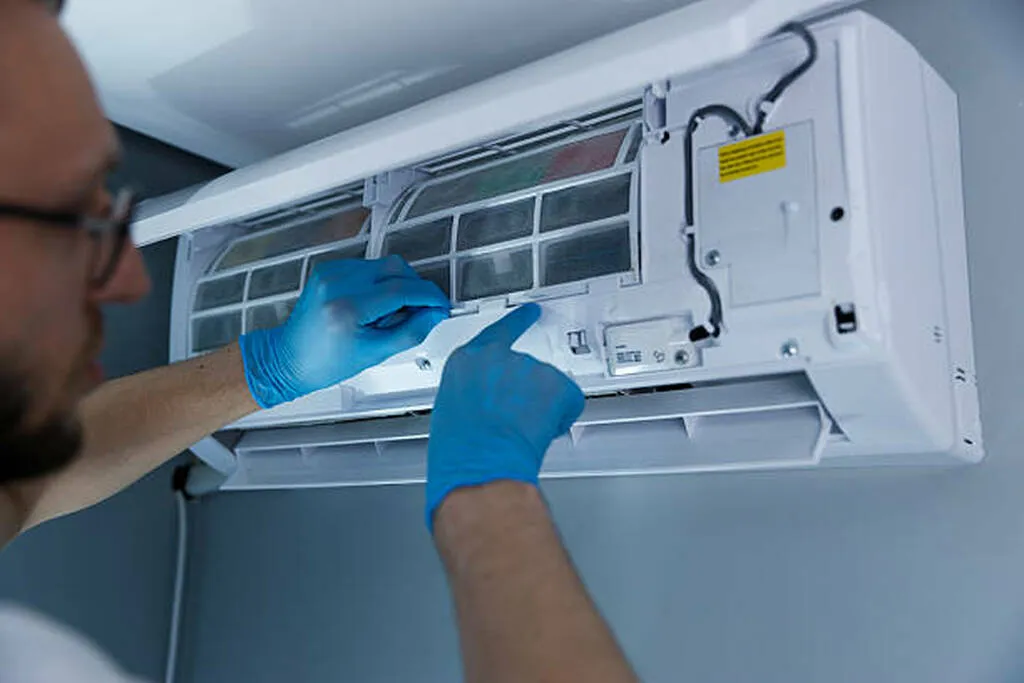
Discover the Benefits of Ductless Mini-Split Heat Pump Systems for Energy-Efficient Zoned Comfort
Ductless mini-split heat pump systems combine compact indoor units with an outdoor compressor to deliver both heating and cooling without ductwork, offering an efficient, zoned approach to home climate control. In this guide you will learn how these systems reduce energy waste, provide room-by-room comfort, improve indoor air quality, and align with sustainability goals for California homeowners. Many households struggle with uneven temperatures, high energy bills, and duct-related air quality problems; mini-splits address those pain points by removing duct losses, using inverter-driven compressors, and enabling targeted conditioning only where it’s needed. This article maps the key mechanisms behind efficiency, practical advantages of zoning, filtration and humidity control, local installation considerations for San Diego-area homes, environmental benefits of modern refrigerants, and factors that influence noise and system lifespan. Throughout, we use technical metrics like SEER and HSPF, practical examples for retrofit scenarios, and actionable maintenance advice so you can evaluate whether a ductless mini-split heat pump is the right solution for your home.
Research consistently highlights the multifaceted benefits of these systems, affirming their role in modern climate control.
Ductless Mini-Split Heat Pump Advantages: Comfort & Efficiency
The ductless mini split heat pump system consists of an outdoor compressor unit and one or more indoor units connected by refrigerant lines. Ductless mini splits can have several advantages over conventional systems including improved thermal comfort, performance, and energy efficiency.
Ductless Mini-Split Heat Pumps: Zoned Comfort and Energy Efficiency
Ductless mini-split heat pumps achieve superior energy efficiency by eliminating duct losses, using inverter (variable-speed) compressors, and delivering high SEER and HSPF ratings relative to many conventional systems. Removing ducts avoids leakage and conduction losses that commonly diminish system efficiency, while inverter technology modulates compressor speed to match load precisely, reducing start/stop penalties and maintaining steadier indoor temperatures. The net result is lower electricity consumption for the same comfort outcome, and measurable utility bill reductions when systems are sized and controlled properly. Understanding these mechanisms clarifies why mini-splits are often recommended for retrofit and targeted-zone applications where ductwork is absent or problematic.
What Role Does Eliminating Ductwork Play in Energy Savings?
Eliminating ductwork removes a major source of energy loss in many homes, particularly in older or poorly insulated duct runs where leakage and conductive losses can exceed 20–30% of conditioned air. Without ducts, conditioned air is delivered directly from indoor units to living spaces, reducing the need to over-condition rooms to compensate for losses and enabling lower runtime overall. For example, a typical retrofit in a mild-climate home can reduce wasted energy by a noticeable percentage simply by avoiding duct leakage and unconditioned attic runs, which leads to lower HVAC loads and faster payback on equipment investment. This ductless approach is especially valuable for homes with partial duct systems or rooms far from a central system where retrofitting ducts would be invasive and costly.
How Does Inverter Technology Enhance Mini-Split Efficiency?
Inverter-driven compressors modulate output continuously, allowing mini-splits to run at the exact capacity needed instead of cycling on and off at full power; this saves energy by minimizing startup surges and maintaining near-constant indoor temperatures. The variable-speed operation improves comfort by reducing temperature swings and short cycling, which also lowers wear on components and improves part-load efficiency—where most homes spend the majority of operating hours. Think of inverter control like cruise control in a car: it adjusts power to maintain a set point smoothly rather than repeatedly accelerating from zero. Recent performance data shows inverter-driven systems often deliver double-digit percentage improvements in seasonal efficiency compared with comparable single-speed units in similar operating conditions.
The significant impact of inverter technology on mini-split market growth and performance has been well-documented in various studies.
Mini-Split Heat Pump Efficiency: Inverter-Driven Compressors
The US mini-split market has seen a 221 percent increase in sales from 2009 to 2014, largely due to the highly-efficient, inverter-driven compressor as part of the system. This study evaluates the performance of mini-split heat pumps as supplemental and full system retrofits.
Different system types and baseline technologies produce different energy outcomes; the table below summarizes typical efficiency metrics and expected homeowner bill impacts for common approaches.
| System type | Efficiency metric | Typical seasonal performance & homeowner impact |
|---|---|---|
| Single-zone mini-split | SEER/HSPF high (seasonal) | High system COP in mild climates; can reduce electricity use vs electric resistance by 40-60% |
| Multi-zone mini-split | SEER varies by load | Enables targeted conditioning; reduces whole-home runtime when some zones stay off |
| Central air with ducts | SEER reported higher but ducts leak | Duct losses (10–30%) reduce delivered efficiency; bill savings depend on duct condition |
| Electric resistance | N/A | Near 100% delivered heat but highest operating cost; mini-splits typically much cheaper to run |
These comparative metrics show how choosing a ductless heat pump service and accounting for duct losses produces meaningful energy savings for homeowners.
What Are the Advantages of Zoned HVAC Comfort with Mini-Split Systems?
Ductless mini-splits deliver zoned HVAC comfort by letting each indoor unit operate independently, so occupants can set different temperatures and schedules for bedrooms, offices, and living areas. Zoned control minimizes waste by conditioning only occupied zones, improves individualized comfort for households with varied preferences, and reduces overall system runtime by avoiding whole-house conditioning. Zoning also supports specific use cases such as additions, home offices, and accessory dwelling units where separate conditioned spaces are desirable without the expense of full duct extension. The flexibility of multi-zone setups—ranging from single-zone units to systems that serve several indoor units from one outdoor compressor—makes mini-splits a versatile choice for homes with mixed-use spaces.
The concept of zoned comfort is further explored in research examining hybrid systems that combine both ducted and ductless elements for optimal control.
Hybrid Ductless VRF Systems for Zoned HVAC Comfort
The hybridization of traditional HVAC ducted systems and ductless VRF integrates both the advantages and disadvantages of each system type. The Trane Residential Heating and Cooling Research Lab at the University of Texas at Tyler was used as the research facility to experiment and validate a hybrid ducted-ductless HVAC system where a ducted attic air handler unit and three ductless evaporator units were installed. Control of the system was assessed to be done very well given the zoning layout for the indoor units.
Mini-splits enable several practical benefits for everyday living:
- Individualized Comfort: Each room gets its own setpoint and schedule, preventing conflicts over temperature between occupants.
- Energy Savings: Conditioning only occupied zones reduces electricity usage and monthly bills compared to whole-house conditioning.
- Flexible Use Cases: Ideal for additions, ADUs, garages converted to living space, and rooms lacking ducts.
- Scalable Installations: Homeowners can add zones over time as needs or budgets change.
These zoning advantages create both comfort and operational efficiency that conventional single-thermostat systems struggle to match; the next section explains how per-room control translates into tangible improvements for occupants.
How Does Individual Room Temperature Control Improve Comfort?
Individual room temperature control allows residents to create tailored microclimates—cooler bedrooms for sleep, warmer bathrooms before use, or a consistently tempered home office during work hours—improving comfort and productivity. Programmable schedules and remote control options let homeowners align operation with occupancy patterns, reducing unnecessary runtime while maintaining comfort when rooms are in use. Smart integration with Wi-Fi controls and simple remote sensors further refines performance by reducing overshoot and enabling scene-based temperature settings for different times of day. These personalized settings also reduce disputes over thermostat settings and can improve perceived comfort without increasing energy use. For more information on smart thermostats, visit our website.
Why Is Heating and Cooling Only Where Needed Beneficial?
Targeted conditioning reduces overall energy consumption because the system does not waste power on unoccupied spaces; this lowers utility bills and reduces wear by shortening compressor runtime. A quick ROI comparison shows that conditioning two to three frequently used rooms with a zoned mini-split system can cost less monthly than running a central system that serves the entire house, particularly when ducts are leaky or poorly insulated. Reduced runtime also decreases maintenance needs and extends component life, and the environmental benefit is lower monthly carbon emissions tied to electricity use. The combination of cost, maintenance, and environmental upside makes zone-based mini-splits attractive for many household usage patterns.
How Do Ductless Mini-Splits Improve Indoor Air Quality in Homes?

Ductless mini-splits improve indoor air quality (IAQ) through multi-stage filtration at each indoor unit, more direct humidity control, and the elimination of duct-borne dust and biological contamination pathways. Each indoor unit typically contains washable pre-filters and higher-grade media that capture particulate matter, pollen, and some allergens at the source, while humidity control reduces conditions that favor mold growth. Because conditioned air does not travel through long duct runs, there is less opportunity for duct dust, pet dander, and mold to circulate between rooms, which benefits occupants with allergies or respiratory sensitivities. Understanding filter types and maintenance needs helps homeowners optimize IAQ benefits from ductless systems.
Common filter technologies and what they address are summarized below so homeowners can select appropriate options during specification and installation.
- Pre-filters: Capture large particles like hair and dust to protect finer filters and improve unit efficiency.
- Electrostatic or HEPA-style filters: Remove finer particulates and some allergens for better respiratory outcomes.
- Activated carbon: Targets odors and some VOCs, improving perceived air freshness.
- UV/ionization (where available): Supplement filtration by reducing microbial load, though homeowners should evaluate evidence and safety for their application.
These filtration stages work together to reduce common indoor pollutants, and selecting the right combination depends on occupant needs and local air quality conditions.
What Are the Benefits of Multi-Stage Filtration Systems?
Multi-stage filtration in mini-splits layers filtration to address a range of contaminants from coarse dust to fine particulates and odors, improving overall indoor air quality more effectively than single-stage filters. A pre-filter removes large debris, protecting finer media that capture smaller particles like PM2.5 and pollen, while activated carbon layers adsorb gaseous odors and volatile organic compounds. Regular maintenance—cleaning washable filters every few weeks and replacing disposable media as recommended—sustains filtration performance and airflow efficiency. Homeowners should ask installers about filter specifications and replacement intervals to ensure systems deliver lasting IAQ benefits.
How Does the Absence of Ductwork Reduce Contaminant Circulation?
Without ducts, there is no long conduit for dust, pet dander, or moisture to accumulate and redistribute across multiple rooms, which cuts a common pathway for cross-contamination in conventional systems. Ducts can harbor settled dust and biological material that, when disturbed, recirculate through the home; ductless systems deliver conditioned, filtered air directly from localized indoor units, limiting this effect. For mixed systems where ducts remain in use for other purposes, regular duct inspection and cleaning remain important, but converting problematic zones to ductless units reduces the overall load on shared ductwork. This direct delivery design therefore lowers the risk of whole-house contaminant spread and simplifies targeted IAQ improvements.
What Are the Key Benefits of Mini-Split Installation for San Diego Homeowners?
Mini-splits are well suited to the San Diego climate and typical local housing stock because they provide efficient cooling during warm months and effective heating during mild winters without extensive duct retrofits. Installation is minimally invasive—indoor units mount on walls or ceilings and a small refrigerant/conduit hole connects to the outdoor compressor—making them ideal for older or historic homes where adding ducts would be disruptive. For homeowners considering upgrades, mini-splits offer aesthetic flexibility, easy expansion into additional rooms, and compatibility with high-efficiency manufacturers commonly recommended in the region. Local incentive programs and utility rebates often favor heat pumps, so exploring available incentives is a worthwhile step during project planning.
San Diego-area homeowners should consider these common building scenarios where mini-splits excel:
- Additions and remodeled rooms: Quick installation with minimal interior demolition.
- Homes without existing ducts: Efficient conditioning without installing ductwork.
- Accessory dwelling units (ADUs) and garages: Independent climate control for separate living spaces.
- Historic homes and retrofits: Preserve character while improving comfort and efficiency.
These scenarios highlight where mini-splits deliver both practical and aesthetic advantages for regional housing types; for homeowners who need local assistance, a qualified installer can evaluate specifics like wall placement, line-set routing, and appropriate unit sizing.
After evaluating suitability, homeowners often benefit from working with local installers who understand regional permit requirements and incentive programs. All Around Mechanical (Hans Energy Systems) operates as a family-owned company specializing in solar panel and HVAC services and serves homeowners and business owners in Poway, San Diego, and surrounding areas in California. Their NATE-certified team emphasizes energy efficiency, offers financing options and maintenance plans, and works with featured manufacturers such as Daikin, Enphase, and Goodman to match equipment selection to local needs and incentives.
Why Is Flexible and Non-Invasive Installation Important?
Flexible and non-invasive installation reduces project disruption, preserves interior finishes, and shortens the time between permitting and operational use, which is especially important in occupied homes. Mini-split indoor units require only a small hole—typically the size of a common conduit—for refrigerant lines, drain, and power, and mounting can be completed in a day or two for most single-zone installations. This contrasts sharply with full duct retrofits that can involve cutting ceilings, running trunk lines, and balancing airflow—processes that are more time-consuming and costly. Homeowners should prepare a simple access area and clear installers’ work paths to streamline installation and avoid unnecessary delays.
Which Home Types Are Ideal for Mini-Split Systems?
Mini-splits are ideal for a range of home types: rooms without ducts, older homes where ducts are impractical, additions or sunrooms, ADUs, converted garages, and multi-family units that benefit from independent zone control. They also work well in mixed systems where the mini-split supplements an existing central system to improve comfort in problem areas without full-system replacement. Limitations include whole-house scenarios where many zones are needed—installation complexity and cost can rise for large multi-zone whole-house conversions—so an assessment of usage patterns and thermal loads is essential. For homeowners seeking local installation help and assistance with financing or maintenance plans, the family-owned All Around Mechanical (Hans Energy Systems) provides NATE-certified technicians and service options tailored to San Diego-area needs.
How Do Ductless Mini-Split Heat Pumps Contribute to Environmental Sustainability?
Ductless mini-split heat pumps reduce greenhouse gas emissions primarily by using less electricity to deliver the same comfort compared with electric resistance heating and by avoiding duct losses that force higher energy consumption in conventional systems. Efficient heat pumps paired with cleaner grid electricity—or with on-site solar generation—significantly lower lifecycle emissions per unit of delivered heating and cooling. Proper refrigerant selection and leak prevention are important to minimize direct greenhouse effects from refrigerant emissions, and modern systems increasingly use lower-global-warming-potential (GWP) refrigerants to reduce environmental trade-offs. These factors together make mini-splits a strong option for homeowners seeking to lower both operational emissions and overall environmental impact.
What Is the Impact of Eco-Friendly Refrigerants Like R410A?
R410A has been a common refrigerant for heat pump systems due to its efficiency and stability, though it has a higher global warming potential than some newer alternatives, so the industry is evolving toward lower-GWP refrigerants such as R32 and others. Proper servicing, leak detection, and responsible end-of-life recovery are essential to prevent refrigerant emissions that can offset operational efficiency gains. Homeowners should ask installers about refrigerant type, charge accuracy, and repair practices to ensure responsible handling. Choosing systems designed for efficient performance with modern refrigerants helps balance performance needs with sustainability goals.
How Do Mini-Splits Reduce Carbon Footprint Compared to Traditional HVAC?
Mini-splits cut carbon footprint by reducing electricity consumption through higher delivered efficiency and by enabling electrification of heating that pairs effectively with renewable electricity sources like rooftop solar. An illustrative calculation shows that saving tens to hundreds of kWh per month versus electric resistance heat—or reducing HVAC electricity compared with ducted central systems with leakage—translates directly into avoided CO2 emissions depending on grid intensity. Pairing a high-efficiency mini-split with solar panels compounds the benefit by supplying a higher share of on-site renewable electricity to heating and cooling loads. For homeowners focused on emissions reductions, specifying efficient equipment and exploring renewable pairings is an effective strategy.
Why Are Ductless Mini-Split Systems Known for Quiet Operation and Longevity?
Ductless mini-split systems are known for quiet indoor operation because indoor units house low-noise fans and remote-mounted compressors that isolate louder components outdoors, and variable-speed technology further reduces perceived sound by avoiding abrupt on/off cycles. Typical indoor unit noise levels often fall into ranges that are significantly lower than older central system noises and are comparable to a quiet library at lower fan speeds. Longevity is enhanced by lower mechanical stress from inverter-driven modulation and by simpler indoor components that are easier to maintain. Regular maintenance—filter care, outdoor unit clearance, and annual professional checks—maximizes lifespan and maintains quiet performance over many years.
The table below gives a quick reference for expected noise ranges and recommended maintenance actions to support longevity and quiet operation.
| Unit component | Attribute | Typical range / recommendation |
|---|---|---|
| Indoor unit noise | dB range | Typical low fan speed: 19–30 dB; design for quiet living spaces |
| Outdoor compressor noise | Placement impact | Depends on setback and mounting; sound-dampening mounts reduce transfer |
| Expected lifespan | Years with maintenance | Well-maintained systems often reach 12–20 years depending on use |
| Maintenance action | Frequency | Filter cleaning every 1–3 months; professional inspection annually |
How Low Are the Noise Levels Compared to Traditional HVAC Systems?
Indoor mini-split units commonly operate in the 19–30 dB range on low to medium settings, producing background noise levels comparable to rustling leaves or a quiet library, which most occupants find unobtrusive. By contrast, older central air handlers or window units can produce higher tonal noise and vibration that users often notice as more intrusive. Strategic placement of indoor units—away from primary sitting or sleeping positions—and using lower fan settings during quiet hours can minimize perceived noise. When outdoor compressors must be near property lines or neighbors, installers can select quieter models and choose mounting options that reduce vibration transmission.
What Maintenance Practices Extend Mini-Split System Lifespan?
Routine maintenance that extends lifespan includes regular cleaning or replacement of indoor filters, keeping the outdoor unit clear of debris and vegetation, and scheduling annual professional inspections that confirm refrigerant charge, electrical connections, and coil cleanliness. Simple homeowner tasks such as clearing 2–3 feet of clearance around the outdoor condenser and wiping indoor unit surfaces help sustain airflow and reduce strain on components. Professional checks by NATE-certified technicians address refrigerant integrity, motor bearings, and drainage to prevent small issues from becoming major repairs. Following a consistent maintenance cadence preserves efficiency, reduces unexpected failures, and supports quiet, long-term operation.
- Filter Care: Clean washable filters every 1–3 months; replace disposable filters per manufacturer guidance.
- Outdoor Unit Clearance: Maintain 2–3 feet of clearance and remove debris seasonally.
- Annual Inspection: Schedule a professional tune-up to verify refrigerant levels, electrical safety, and coil condition.
These tasks form a practical maintenance checklist that balances homeowner actions with professional service to maximize system life and ensure ongoing comfort.
For homeowners ready to evaluate options, local expertise can streamline project planning and financing. All Around Mechanical (Hans Energy Systems) offers local installation expertise and maintenance plans through a NATE-certified team, and they can assist customers in assessing system sizing, matching manufacturers like Daikin or Goodman to specific needs, and exploring financing options that make upgrades more affordable. Their regional experience working in Poway, San Diego, and surrounding California communities helps homeowners navigate permits, equipment selection, and available incentives while preserving a focus on energy efficiency.