

 (360) 896-2829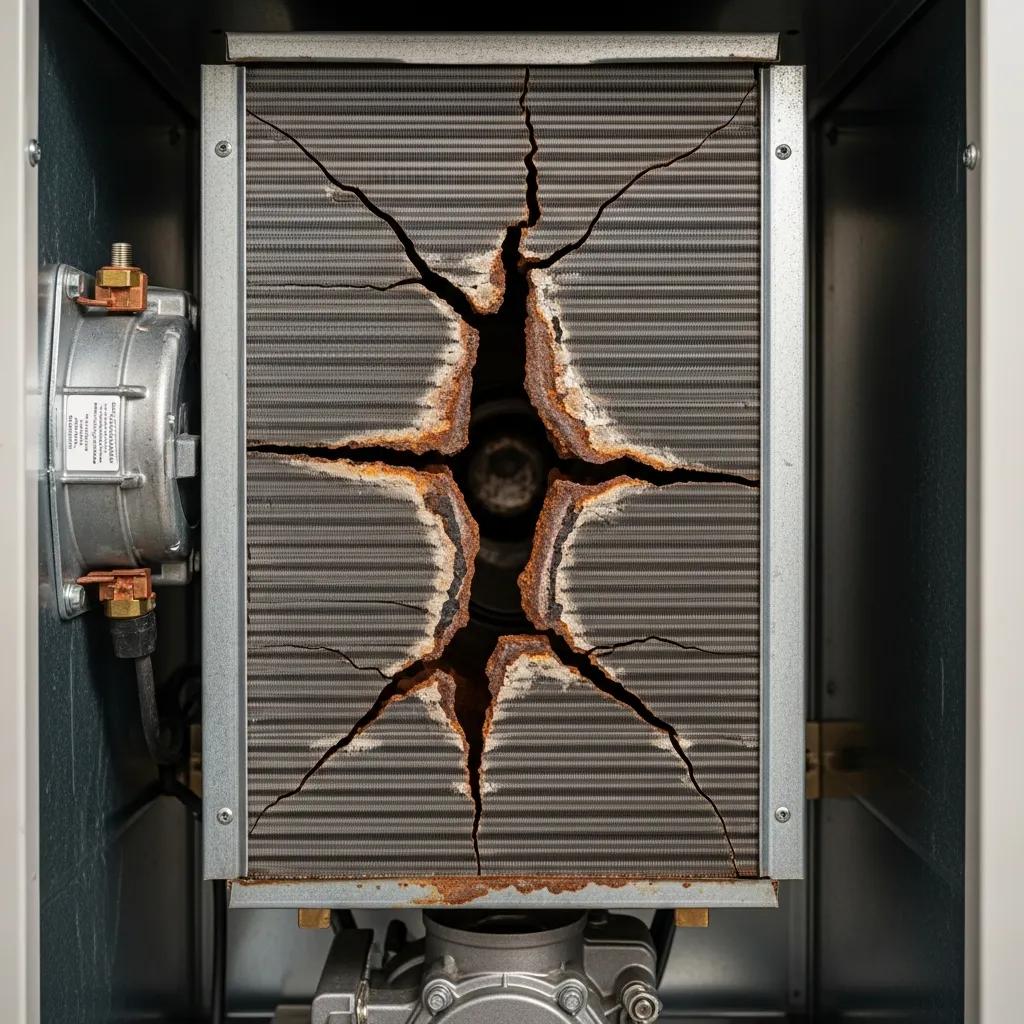
Dangers of a Cracked Heat Exchanger in Your Furnace
A cracked heat exchanger poses significant risks to your furnace’s safety and efficiency. This critical component is responsible for transferring heat from the combustion process to the air circulating through your home. When cracks develop, they can lead to dangerous situations, including carbon monoxide leaks, which can be life-threatening. Understanding the causes, signs, and maintenance strategies for a cracked heat exchanger is essential for ensuring your furnace operates safely and effectively. In this article, we will explore the causes of heat exchanger cracks, the symptoms of carbon monoxide exposure, and the best practices for inspection and repair. Additionally, we will discuss the importance of hiring local HVAC experts for furnace safety in Southwest Washington.
What Causes a Heat Exchanger to Crack and How Does It Affect Furnace Safety?
A heat exchanger can crack due to several factors, including overheating, improper maintenance, and mechanical stress. These cracks can compromise the safety of your furnace, leading to potential hazards such as carbon monoxide leaks. Overheating often results from restricted airflow, which puts extra strain on the furnace components and accelerates wear and tear.
Common failure modes and contributing factors for heat exchanger cracks
Cracks in heat exchangers often arise from overheating caused by dirty filters or blocked vents, which restrict airflow and cause the furnace to work harder. Additionally, improper maintenance, such as neglecting regular inspections, can lead to mechanical stress that contributes to cracks. Mechanical stress may also result from the natural expansion and contraction of metal parts during heating cycles, which can weaken the exchanger over time.
How cracks lead to carbon monoxide leaks and furnace malfunction symptoms
When a heat exchanger develops cracks, it can allow combustion gases, including carbon monoxide, to escape into the home. This leakage poses serious health risks as carbon monoxide is a colorless, odorless gas that can cause poisoning. Symptoms of furnace malfunction may include unusual noises, inconsistent heating, and the presence of a yellow or flickering flame instead of a steady blue one. Recognizing these signs early can prevent serious health risks associated with carbon monoxide exposure and ensure timely repairs.
What Are the Signs and Symptoms of a Cracked Heat Exchanger and Carbon Monoxide Exposure?
Identifying the signs of a cracked heat exchanger and carbon monoxide exposure is crucial for maintaining a safe home environment. Early detection can prevent dangerous situations and protect your family’s health. Being aware of both mechanical and health-related symptoms is key to prompt action.
Identifying furnace malfunction signs and carbon monoxide poisoning symptoms
Common symptoms of carbon monoxide poisoning include headaches, dizziness, nausea, confusion, and fatigue. These symptoms often worsen when the furnace is running and improve when away from the home. If you experience these symptoms, it is essential to seek medical attention immediately. Additionally, visible cracks, rust, or holes on the heat exchanger can indicate a problem that requires urgent inspection. Regularly checking your furnace for these signs can help you catch issues before they become severe.
Using a furnace inspection checklist to detect heat exchanger damage early

To detect heat exchanger damage early, consider using a furnace inspection checklist that includes the following steps. These steps help ensure a thorough evaluation and reduce the risk of overlooking critical issues. Early detection can save you from costly repairs and health hazards.
- Visual inspection: Look for any visible cracks, rust, or holes on the heat exchanger. Pay close attention to discoloration or signs of corrosion, which may indicate underlying damage. Regular visual checks can help you identify problems before they worsen.
- Pressure testing: Conduct pressure tests or combustion analysis to identify hidden issues that may not be visible. These tests help detect leaks and inefficiencies in the system, ensuring the furnace operates safely. Professional testing is recommended for accurate results.
- Filter checks: Ensure that filters are clean and replaced regularly to prevent overheating. Dirty filters restrict airflow, causing the furnace to overwork and increasing the risk of heat exchanger cracks. Maintaining clean filters improves furnace efficiency and longevity.
How Can You Inspect, Maintain, and Repair a Cracked Heat Exchanger Safely?
Regular inspection and maintenance of your furnace are vital for preventing heat exchanger issues. Proactive care helps extend the life of your furnace and keeps your home safe. Neglecting maintenance can lead to costly repairs and dangerous situations.
Emphasizing the importance of proactive measures, studies highlight that consistent furnace maintenance is key to preventing residential carbon monoxide incidents. Routine checks and timely repairs reduce the risk of malfunctions and improve overall system performance.
Step-by-step furnace inspection and maintenance best practices
- Regular filter changes: Change filters every 1-3 months to ensure proper airflow. Clean filters prevent overheating and reduce strain on the furnace components. This simple step can significantly improve furnace efficiency and safety.
- Annual professional inspections: Schedule professional inspections at least once a year to catch potential issues early. Certified technicians can identify hidden problems and perform necessary maintenance to keep your furnace running smoothly. Professional inspections also help ensure compliance with safety standards.
- Monitor furnace performance: Keep an eye on your furnace’s performance and address any unusual noises or heating inconsistencies promptly. Early attention to irregularities can prevent major breakdowns and maintain comfort in your home. Regular monitoring helps detect problems before they escalate.
Repair versus replacement options and estimated costs for heat exchanger issues
When faced with a cracked heat exchanger, homeowners often wonder whether to repair or replace it. Repair costs vary depending on the extent of the damage and the furnace model. Replacement is generally recommended for older systems or when damage is extensive, as it ensures long-term safety and efficiency. Consulting with an HVAC professional can help you make the best decision based on your specific situation.
| Repair Option | Estimated Cost Range | Considerations |
|---|---|---|
| Repair | Moderate cost depending on damage severity | Suitable for minor cracks; may not be a long-term solution and could require future repairs. |
| Replacement | Higher cost reflecting new equipment and installation | Recommended for older systems or extensive damage; ensures safety and improved efficiency over time. |
Choosing the right option depends on the age of your furnace, severity of the damage, and advice from an HVAC professional. Investing in a replacement may offer better value and peace of mind in the long run.
Why Choose Local HVAC Experts for Heat Exchanger Repair and Carbon Monoxide Safety in Southwest Washington?

Hiring local HVAC experts ensures that you receive timely and knowledgeable service for your furnace needs. Local professionals understand the specific climate and common issues in Southwest Washington, allowing them to provide tailored solutions. Their prompt response can prevent minor problems from becoming major hazards.
Local professionals, such as All Around Mechanical, specialize in the installation, repair, and maintenance of heating and cooling systems. Their expertise in furnace safety and carbon monoxide prevention is invaluable for homeowners in Southwest Washington. Engaging trained technicians for assessments not only enhances safety but also provides peace of mind knowing that your furnace is in capable hands. Trusting a reputable local company ensures quality workmanship and reliable service.
Protect Your Home with Expert Furnace Care Today
Don’t wait until a cracked heat exchanger puts your family at risk. Schedule a professional furnace inspection with All Around Mechanical to ensure your heating system is safe and efficient. Early detection and maintenance can save you from costly repairs and health hazards. Contact us now to book your appointment and keep your home warm and secure all year round.
Schedule Your Inspection