

How to Prepare HVAC for Holiday Guests: Why You Should Adjust the Thermostat Before the Oven Goes On
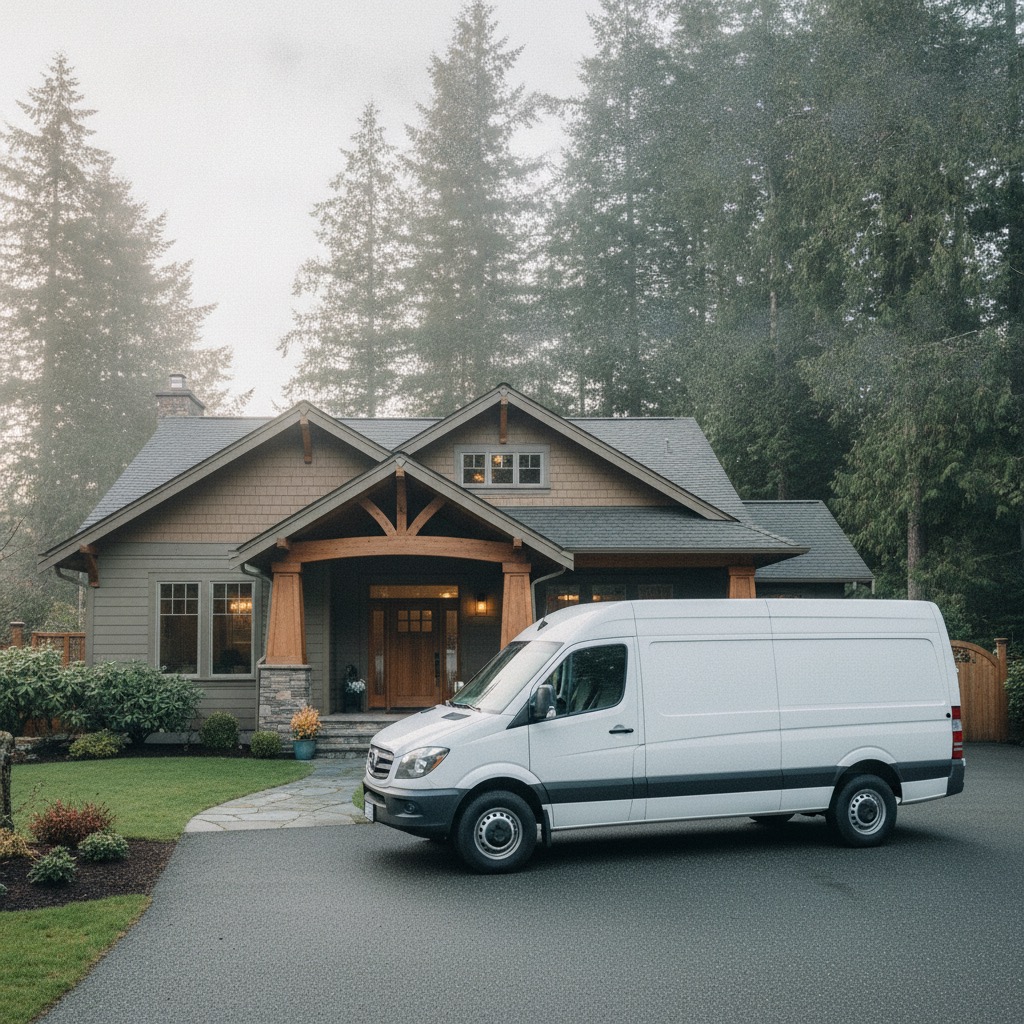
The Thanksgiving Temperature Trap: Balancing Cold Weather and a Hot Kitchen
Late fall is officially here, meaning the heating season is in full swing. When Ridgefield homeowners ask our team at All Around Mechanical exactly how to prepare HVAC for holiday guests, we tell them the most important step happens long before the turkey goes in the oven. Thanksgiving gatherings create a unique and often frustrating challenge for home heating systems. You have a massive, hot oven running for hours, a stovetop boiling multiple pots, and a house packed with extra people. Suddenly, the kitchen feels like a sauna, but the guest bedrooms down the hall are freezing cold.
This happens because residential heating systems are designed to maintain a steady baseline temperature. In the Pacific Northwest, the damp, cold November weather outside drops the temperature of your home's exterior walls. Your thermostat senses this chill and tells the furnace to keep running. Meanwhile, the center of your home is generating massive amounts of artificial heat. To truly balance your home's climate, you need more than just a working furnace; you need proper airflow and, in many cases, modern indoor air purification systems to handle the sudden influx of humidity and cooking odors. Without a proactive strategy, you end up caught in the Thanksgiving temperature trap.
The common outcome of ignoring this trap:
- Overheated kitchens: The combined heat of appliances and bodies makes the cooking space unbearable.
- Freezing perimeters: Because the thermostat thinks the house is warm, it shuts off the heat, leaving bedrooms and living rooms exposed to the late fall chill.
- Stuffy, stagnant air: Closed windows trap moisture, food smells, and excess heat indoors.
The solution is strategic thermostat and airflow management. By taking control of your system before the heavy cooking begins, you can keep every room comfortable.
Why Your Heating System Struggles During Holiday Gatherings
To understand why your standard winter settings fail during holiday parties, it helps to look at the basic physics of indoor heat generation. In our years of servicing residential heating systems throughout Ridgefield WA, we've seen first-hand how standard setups are caught off guard by these events. Your heating system is sized to handle the square footage of your home based on average local weather. It expects a predictable, even loss of heat through your walls and windows. It does not expect a sudden, localized heat wave in the middle of the house.
When you host a large dinner, you are introducing multiple new heat sources into a very small area. The average adult guest generates approximately 400 BTUs (British Thermal Units) of heat per hour just by sitting and talking. If you have ten guests mingling in the kitchen and dining room, that is 4,000 extra BTUs of heat being pumped into the space every hour. Add a roasting turkey and several active stovetop burners, and you are generating as much heat as a small space heater running on full blast.
The Impact of Extra Bodies and Appliances
Standard HVAC zoning struggles with these rapid, localized temperature shifts. Most homes have a single thermostat located in a central hallway or living room. This location is easily "tricked" by uneven heat distribution.
| Heat Source | Estimated Heat Output (BTUs per hour) | Impact on Home Comfort |
|---|---|---|
| One Adult Guest | ~400 BTUs | Adds steady, ambient warmth and humidity to the immediate room. |
| Oven (Roasting at 350°F) | ~3,000 - 5,000+ BTUs | Creates a massive thermal load localized entirely in the kitchen. |
| Stovetop Burners (Active) | ~2,000+ BTUs per burner | Generates rapid, rising heat and significant airborne moisture. |
| Dishwasher (Drying Cycle) | ~1,000+ BTUs | Releases bursts of steam and heat under counters and into the kitchen. |
If the thermostat is near the kitchen, it registers the cooking heat and shuts the furnace down entirely. However, average November temperatures in the Ridgefield WA area drop into the 30s and 40s. While the kitchen is sweltering, the perimeter of the home is rapidly losing heat to the cold outdoors. The furnace needs to run to protect the bedrooms, but the thermostat refuses to turn it on. This is why your guests end up sweating at the dinner table but shivering when they go to sleep.
Step 1: Pre-Adjusting the Thermostat Before Guests Arrive
The most effective way to manage a sudden indoor heat load is to get ahead of it. Do not wait until the house feels hot to adjust the temperature. By the time you feel uncomfortable, the heat is already trapped in the home, and your system will struggle to catch up. Instead, you need to create a "thermal buffer" that the incoming heat will naturally fill.
How to create a thermal buffer on the day of your gathering:
- Assess your normal comfort level: Note what temperature you usually keep your home during a typical winter day. For most homes, this is around 68°F to 70°F.
- Make the proactive drop: The golden rule for holiday hosting is a thermostat drop of 2-3 degrees before cooking starts. If you normally keep the house at 70°F, lower it to 67°F or 68°F.
- Time it right: Make this adjustment about an hour before you turn on the oven and the first doorbell rings. This gives the home time to cool down evenly.
- Let the guests do the heating: As family arrives and the kitchen warms up, the ambient temperature will naturally rise back to your normal comfort level of 70°F, but the furnace won't have to work to get it there.
A word of caution: Do not turn the heating system completely off. While the kitchen will stay warm from the oven, the extreme corners of your house will get too cold. Dropping the thermostat a few degrees keeps the baseline heating active enough to protect the far bedrooms without suffocating the kitchen.
Step 2: Switching the HVAC Fan from AUTO to ON
Once you have adjusted the temperature, your next tool for balancing the house is the HVAC blower motor. Most homeowners leave their thermostat fan setting on "AUTO" year-round. While this is great for saving energy on a normal Tuesday, it is the wrong setting for Thanksgiving or late fall gatherings.
The difference between AUTO and ON:
- AUTO: The fan only runs when the furnace is actively heating the air. Once the target temperature is reached, the fan shuts off.
- ON: The fan runs continuously, circulating air through the ductwork regardless of whether the furnace is actively generating heat.
When you switch the fan to "ON," you turn your home's ductwork into a whole-house circulation system. The return vents in the kitchen will suck in that excess 400-degree oven heat and the 400 BTUs per guest. The blower motor will push that warm air through the ductwork, distributing it evenly to the colder guest bedrooms and living areas.
Running the fan continuously circulates stagnant air, equalizes temperatures across different zones, and prevents the dreaded hot-kitchen/cold-bedroom divide. It acts as a pressure release valve for your cooking space. Just remember to switch the thermostat back to "AUTO" after the gathering is over and the guests have gone home to conserve electricity.
Step 3: Managing Indoor Air Quality in a Tightly Sealed Home
Temperature is only half of the comfort equation; the other half is air quality. Winter weather forces homes to be sealed tight. The damp Washington winter air prevents hosts from simply opening a window to cool down the kitchen, as doing so would invite freezing drafts and heavy moisture indoors. Because the house is locked down, everything generated inside stays inside.
When you combine a roasting turkey, boiling potatoes, aerosolized cooking oils, and the body heat of a dozen people, the indoor air becomes thick and heavy. This trapped air carries cooking odors, excess humidity, and airborne particles that can make the environment feel stuffy and uncomfortable for your guests.
Your HVAC filter plays a massive role in capturing these airborne particles. A dirty filter restricts airflow, making it harder for your system to push that much-needed air into the far corners of the house. Our technicians at All Around Mechanical highly recommend changing your air filter a few days before hosting a major event. A fresh, clean filter ensures maximum airflow and helps trap the dust and allergens stirred up by extra foot traffic.
Dealing with Cooking Odors and Stuffy Air
Beyond the HVAC filter, you need active strategies to keep the air fresh. Always run your kitchen and bathroom exhaust fans during the event. These fans pull moisture and intense odors directly out of the home before they can settle into your upholstery or circulate through the ductwork.
If your home consistently feels stale, holds onto cooking odors for days, or triggers allergies when guests arrive, standard filters might not be enough. In these cases, investing in professional air purification inspection and testing can identify exactly what particulates are trapped in your home. Professional-grade purifiers and UV lights can neutralize odors and airborne contaminants that standard fiberglass filters leave behind, ensuring a crisp, clean environment even when the house is sealed tight against the Ridgefield WA winter.
Step 4: Ensuring Proper Ventilation and Airflow
Even with the thermostat adjusted and the fan running continuously, your HVAC system cannot balance the home if the physical airflow is blocked. Structural airflow components support a balanced system during high-load events. Blocked vents and registers disrupt the air path, exacerbating hot and cold spots.
During the holidays, furniture often gets rearranged to accommodate large dining tables, extra chairs, or seasonal decorations. It is incredibly common for a homeowner to inadvertently place a heavy sofa or a large decoration directly over a supply register or in front of a return vent. When a return vent is blocked, the system cannot pull stagnant air out of the room. When a supply vent is blocked, the room receives no fresh, conditioned air.
Pre-Party Airflow Checklist:
- Check the dining room: Ensure extra chairs or extended tables are not sitting directly on top of floor registers.
- Inspect the living room: Verify that rugs, holiday trees, or temporary seating haven't covered the return air grilles on the walls or floors.
- Open bedroom vents: Make sure the supply vents in guest bedrooms are fully open so they can receive the warm air being circulated from the kitchen.
- Clear the mechanical room: Ensure there is a two-foot clearance around your indoor air handler or furnace so the system can draw air efficiently.
Proper home ventilation, including the upper levels of the house, impacts overall HVAC efficiency. Heat rises, and without a clear path for air to circulate, the upper floors can become uncomfortably warm while the main floor remains chilly. Maintaining clear pathways ensures the continuous fan setting can do its job. If you notice that your upper floors are constantly trapping heat or moisture regardless of vent position, it may be time to look into attic ventilation services to ensure your home's envelope is breathing correctly.

Step 5: Scheduling Pre-Winter Safety Checks for Peace of Mind
The worst possible time for a heating failure is when your house is full of family, the oven is full of food, and the temperature outside is dropping rapidly. While adjusting your thermostat and clearing your vents are great day-of strategies, they rely on a heating system that is mechanically sound. Introducing a massive thermal load and running the blower motor continuously stresses the system. If a part is on the verge of failing, a holiday gathering is exactly when it will break.
A comprehensive pre-winter safety check ensures your equipment can handle the demands of the season. During a professional visit from our All Around Mechanical experts, technicians do much more than just listen to the unit run. They inspect the heat exchanger for microscopic cracks that could leak carbon monoxide into the home—a critical safety measure when guests are sleeping over. They test electrical connections that may have vibrated loose over the summer, measure the amperage draw on the blower motor to ensure it won't overheat during continuous use, and calibrate the thermostat so the temperature on the screen matches the reality in the room.
Because the Ridgefield WA area experiences freezing overnight temperatures by late fall, you need absolute confidence in your equipment. Working with a team that provides a 100% satisfaction guarantee means you get comprehensive pre-winter safety checks that build trust and reassure hosts. You know the job is done right, and your home is protected.
Do not wait until the week of the gathering to test your system. The first cold snap always brings a massive rush of emergency service calls. By acting early, you can schedule a pre-holiday air purification tune-up and heating inspection at your convenience, ensuring your home is safe, warm, and ready for company.
Frequently Asked Questions About Holiday HVAC Settings
Managing indoor temperatures during large gatherings can be tricky, especially when the weather outside is uncooperative. If you are looking for more ways to protect your home environment, you can read our guide on how to improve indoor air quality before the extended family arrives. Here are brief answers to the most common questions homeowners ask about holiday HVAC management.
What temperature should I set my thermostat when hosting guests?
You should aim for a thermostat drop of 2-3 degrees before cooking starts and guests arrive. If you normally keep your home at 70°F, lower it to 67°F or 68°F about an hour before the event. This creates a thermal buffer, allowing the body heat of your guests and the warmth from the kitchen to naturally bring the house back up to a comfortable 70°F without overworking the furnace.
How do I keep my kitchen cool while cooking Thanksgiving dinner?
The best way to keep the kitchen cool is to switch your thermostat fan setting from "AUTO" to "ON." This forces the blower motor to run continuously, pulling the intense heat out of the kitchen and distributing it through the ductwork to the rest of the house. Additionally, always run your stove's exhaust hood to vent steam and ambient heat directly outside.
Should I leave my HVAC fan on when hosting a party?
Yes, leaving the HVAC fan on "ON" during a party is highly recommended. Continuous fan operation prevents air from stagnating in crowded rooms and helps equalize the temperature across the entire house. Just remember to switch it back to "AUTO" after the party ends to avoid unnecessarily high electricity bills.
How do you keep a house cool with a lot of guests in winter?
Start by lowering the baseline temperature early in the day, ensuring all supply and return vents are completely unblocked by furniture, and running the continuous fan. Avoid opening windows if it is freezing outside, as this creates uncomfortable drafts and forces the heating system to work overtime to protect the perimeter of the house.
Should I turn down the heat when having a party?
Yes, turning down the heat is a necessary step when hosting a large group. Every adult guest generates roughly 400 BTUs of heat per hour. If you leave the heat at your normal setting, the combined body heat will quickly make the main living areas uncomfortably warm and stuffy.
Does cooking a turkey actually heat up the whole house?
Cooking a turkey generates thousands of BTUs of heat over several hours, which drastically impacts the immediate area around the kitchen. If your home has an open floor plan or if you use the continuous fan setting, that heat will absolutely spread and warm up the surrounding rooms, altering the entire home's heating dynamics.
Enjoy a Comfortable Holiday With a Reliable Heating System
Understanding how to prepare HVAC for holiday guests ultimately comes down to proactive airflow and temperature management. By executing a simple thermostat drop of 2-3 degrees before cooking starts, switching your fan to the continuous "ON" position, and ensuring your vents are clear of obstructions, you can maintain a perfect balance between a busy kitchen and cozy guest bedrooms. Thanksgiving and late fall gatherings should be focused on family and food, not fighting over the thermostat.
Proactive preparation takes the stress out of hosting and ensures your home remains a welcoming environment from the moment the first guest arrives until the last slice of pie is gone. Make sure your system is fully prepared to handle the extra load this season. Schedule your professional maintenance and safety checks early, and enjoy the peace of mind that comes with a reliable, efficient heating system.
Recent Posts

Nov 25, 2026 / 10 min
Why Upgrading to a Hybrid Water Heater Before Winter is a Smart Move
Don't Let a Broken Water Heater Ruin Your Holiday Season The November pre-winter holiday season is just weeks away, and while you are finalizing dinner menus and preparing guest ro

Nov 24, 2026 / 9 min
How Professionals Measure HVAC Airflow Improvements Before and After Advanced Duct Sealing
Why Does Uneven Heating Happen as Temperatures Drop? Are you constantly adjusting your thermostat because one room feels perfectly warm while the bedroom at the end of the hall is

Nov 23, 2026 / 9 min
What We Found Inside a Flooded Heat Pump: Navigating November Downpours
The Reality of Heavy Rain on Your Outdoor Comfort November pre-winter downpours in the Pacific Northwest bring more than just gray skies—they deliver persistent, heavy moisture tha