

Why Upgrading to a Hybrid Water Heater Before Winter is a Smart Move
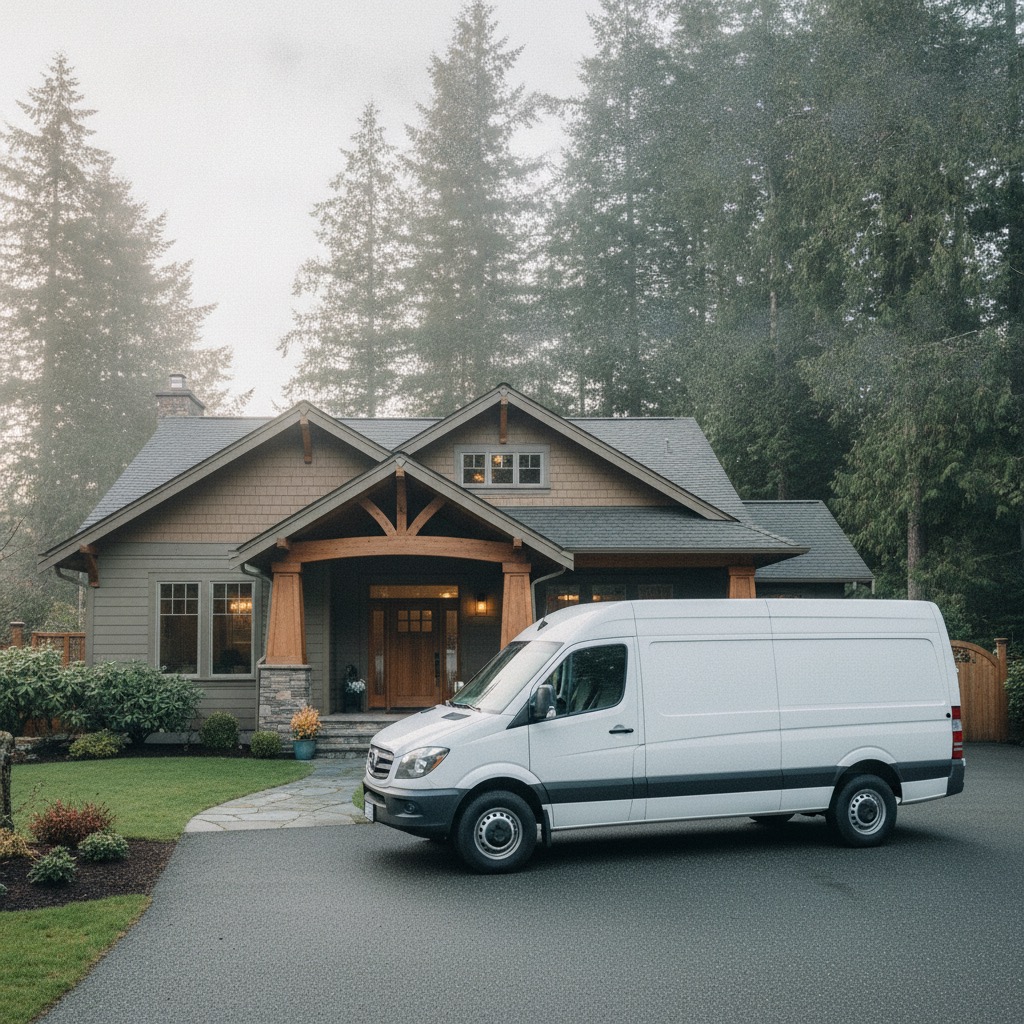
Don't Let a Broken Water Heater Ruin Your Holiday Season
The November pre-winter holiday season is just weeks away, and while you are finalizing dinner menus and preparing guest rooms, your aging plumbing fixtures are quietly bracing for their hardest season of the year. At All Around Mechanical, our team has spent years helping local families prepare for the winter rush, and we know firsthand that if you have an older electric tank, upgrading to a hybrid water heater right now is one of the most strategic home-prep decisions you can make. Most homeowners do not realize just how much seasonal weather impacts their indoor plumbing systems, specifically the appliance responsible for every hot shower, dishwasher cycle, and load of laundry.
As late fall settles in, the temperature of the incoming groundwater drops significantly. During the summer, water entering your home might be relatively mild, requiring less energy to heat. But as winter approaches, that incoming water becomes frigid. Your water heater has to work much harder, for much longer, to raise that freezing water to a comfortable 120 degrees. For a brand-new unit, this is standard operation. For an aging electric tank—especially one with sediment buildup coating its heating elements—this sudden increase in workload is often the final push that causes catastrophic failure.
An unexpected tank failure during peak holiday usage is a deeply stressful experience. You are suddenly left without hot water while hosting visiting family, forcing you into a panicked scramble to find a contractor who is available during a holiday week. We see this chaotic rush every November. Instead of waiting for a flooded garage or an ice-cold shower, a proactive upgrade allows you to take control of your home's comfort and efficiency on your own timeline.
Signs your older tank is struggling with the seasonal shift:
- Longer recovery times: It takes noticeably longer to get hot water after someone takes a shower.
- Inconsistent temperatures: The water starts hot but quickly turns lukewarm, indicating a failing lower heating element.
- Strange rumbling noises: Expanding air bubbles escaping from a thick layer of sediment at the bottom of the tank.
- Rising energy bills: The system is running constantly just to maintain its baseline temperature against the cold incoming water.
The Hidden Risks of Waiting for an Emergency Tank Failure
The standard approach to water heaters for decades has been to ignore them until they break. However, waiting for an emergency failure is a deeply flawed strategy that our plumbers regularly see cost homeowners significantly more in the long run. When cold winter water enters an aging tank, it accelerates the wear and tear on failing heating elements. If a tank bursts or springs a major leak, you are not just dealing with a lack of hot water; you are suddenly managing potential water damage to your home.
The hidden risk of an emergency replacement lies in the lack of options. When your water heater dies on a Tuesday night in late November, you do not have the luxury of researching high-efficiency models or waiting for a specific unit to be ordered. You are at the mercy of whatever standard electric tank the local supply house happens to have in stock that morning. We frequently see homeowners end up locked into another decade of paying for outdated, inefficient technology simply because they needed hot water immediately.
At All Around Mechanical, we maintain a strong commitment to proactive home maintenance because it is the only reliable way to help homeowners avoid stressful, rushed emergency breakdowns. Water heating is typically the second largest energy expense in a home, accounting for roughly 20 percent of overall energy usage. Locking yourself into a standard electric tank during an emergency means leaving massive efficiency gains on the table.
| Consideration | Proactive Planned Upgrade | Emergency Replacement |
|---|---|---|
| System Options | Full access to high-efficiency hybrid models and specific sizing options. | Limited to whatever standard inventory is immediately available on the truck. |
| Installation Timing | Scheduled at your convenience, minimizing disruption to your routine. | Rushed, often requiring emergency service fees or time off work. |
| Incentive Eligibility | Plenty of time to research and apply for utility rebates and tax credits. | Often missed entirely due to purchasing non-qualifying standard equipment. |
| Stress Level | Low. You control the process and enjoy peace of mind before guests arrive. | High. Dealing with potential water damage, cold showers, and hosting disruptions. |
How Heat Pump Technology Transforms Water Heating
To understand why upgrading to a hybrid water heater is such a smart move, you have to understand how the technology completely changes the rules of water heating. A conventional electric water heater operates like a giant toaster. It uses direct electrical resistance to generate heat, warming the water inside the tank. For every unit of electricity it consumes, it creates exactly one unit of heat. It is a one-to-one ratio, which puts a hard ceiling on how efficient the system can ever be.
Moving Heat Instead of Generating It
A heat pump water heater, on the other hand, operates more like a refrigerator working in reverse. Instead of generating heat directly, it uses a small compressor and a specialized refrigerant to capture ambient heat from the surrounding air. It then compresses that refrigerant to raise its temperature and transfers that captured heat directly into the water tank. Because moving heat requires significantly less electricity than generating it from scratch, this technology is incredibly efficient.
According to data from energy.gov and energystar.gov, heat pump technology can be up to two to three times more energy efficient than conventional electric resistance water heaters. By shifting the workload away from raw electricity and relying on the ambient heat already present in your home or garage, the system drastically reduces the amount of power required to maintain your hot water supply.
The "Hybrid" Advantage
The term "hybrid" refers to the system's ability to adapt to your household's specific needs. While the highly efficient heat pump is the primary heating source, the unit still contains standard electrical resistance elements as a backup. The system constantly monitors water temperature and demand. During normal daily use, it operates almost entirely on the heat pump. However, if you have a house full of guests during the November pre-winter holiday season and demand spikes, the system automatically switches into a hybrid mode, engaging the electrical elements to ensure rapid recovery and consistent hot water delivery. Once the high demand passes, it seamlessly returns to its ultra-efficient heat pump operation.

Why Upgrading to a Hybrid Water Heater Makes Sense in Ridgefield WA
Technology is only as good as its application in your specific environment. One of the most common questions our technicians at All Around Mechanical field is whether heat pump technology actually performs well in the cool, damp Pacific Northwest climate. The short answer is yes, especially when the system is installed and sized correctly by a local professional who understands the regional microclimate.
In our years servicing Ridgefield WA, our team frequently sees homes featuring unconditioned spaces like attached garages or large utility rooms. These are the perfect environments for a hybrid water heater. Because the unit pulls ambient heat from the surrounding air, it naturally cools the space immediately around it. While this might be a drawback if the tank were installed in a central living room, it is entirely unnoticeable in a garage. In fact, a garage provides an ample volume of air for the heat pump to draw from, ensuring it operates at peak efficiency even during the colder months.
There is also a massive secondary benefit for Ridgefield WA homeowners that we love pointing out: dehumidification. As the heat pump extracts heat from the garage air, it also extracts moisture. The cool, damp winters in the Pacific Northwest often lead to musty, humid garages where tools rust and cardboard boxes degrade. A hybrid water heater acts as a built-in dehumidifier, constantly pulling moisture out of the air and discharging it safely through a condensate drain. This helps keep your garage drier and more comfortable throughout the rainy season.
While the unit does discharge slightly cooler air as a byproduct of the heating cycle, proper placement ensures this does not impact your home's internal heating load. A professionally sized unit will easily handle the freezing temperatures of a local winter, guaranteeing that you have a reliable, highly efficient supply of hot water when you need it most.
Taking Advantage of Incentives Without the Emergency Rush
Beyond the monthly energy savings and the peace of mind, one of the strongest arguments for a planned pre-winter upgrade is the financial leverage it provides. Upgrading your home's energy infrastructure is an investment, and there are numerous programs designed to help offset those initial costs. However, accessing those programs requires time, research, and specific equipment choices—luxuries you simply do not have during a midnight plumbing emergency.
A proactive, planned upgrade gives you the breathing room to properly research general tax credits and utility incentives. For example, federal tax credits for heat pumps often apply to qualifying high-efficiency water heater installations. These incentives are designed to encourage homeowners to transition away from outdated electrical resistance technology. By planning your installation now, you can work with your contractor to ensure the specific model you choose meets the strict efficiency ratings required by these programs.
The Cost of Rushed Decisions
Contrast this proactive approach with an emergency replacement. When a tank bursts, the immediate priority is stopping the leak and restoring basic function. We have seen too many homeowners miss out on efficiency incentives entirely because they cannot wait the few extra days it might take to order a qualifying hybrid unit. They settle for a standard tank, missing out on both the upfront tax credits and the decade of lower energy bills that follow.
Because incentive programs, efficiency requirements, and tax codes update frequently, we always advise readers to verify current programs with their local utility provider or a qualified tax professional. Having the time to make those phone calls and confirm your eligibility is just one more reason why replacing your system before it fails is the smartest financial move.
What to Expect During a Professional Installation
Transitioning from a standard electric tank to a hybrid model is not a simple swap. The advanced technology requires specific environmental conditions to operate efficiently, making proper planning and professional execution essential. This is not a weekend project. Water heater installation involves handling 240-volt high-voltage electricity, pressurized domestic water lines, and strict local plumbing codes, requiring a licensed professional to ensure the system is safe and compliant.
Here is what you can expect when our licensed technicians at All Around Mechanical evaluate your home for a hybrid water heater upgrade:
- Evaluating Volume and Clearances: Because the system extracts heat from the air, it needs a sufficient volume of ambient air to function. A professional will measure the installation space to ensure it meets the manufacturer's cubic footage requirements (often equivalent to a 10-foot by 10-foot room). If the space is smaller, they will plan for louvered doors or specialized ducting to provide adequate airflow.
- Sizing for Household Demand: A technician will calculate your household's peak hot water demand, especially factoring in the heavy usage typical of the holiday season. Proper sizing ensures the unit can rely primarily on the efficient heat pump mode without constantly triggering the backup electrical elements.
- Routing Condensate Drainage: Unlike standard tanks, hybrid units naturally produce condensation as they dehumidify the air. A professional will route a dedicated condensate drain line to a safe location, or install a small condensate pump if a gravity drain is not accessible, preventing any water damage to your home.
- Electrical Verification: The technician will verify that your home's electrical panel and the dedicated circuit can properly support the new hybrid system's requirements.
Evaluating Space and Airflow Needs
The physical footprint of a hybrid unit is often slightly taller or wider than a standard tank to accommodate the compressor mounted on top. A professional assessment ensures the location provides optimal ambient heat extraction while maintaining the necessary clearances for future maintenance, such as accessing the washable air filter.
Managing Condensate and Electrical Requirements
Properly managing the condensate is critical. If a DIYer overlooks this step—a common mistake we are often called in to fix—the unit will slowly leak extracted moisture directly onto the floor, causing structural rot over time. A licensed plumber ensures the drainage meets code and safely redirects the moisture away from your foundation.
Frequently Asked Questions About Hybrid Water Heaters
Why should I replace my water heater before it fails?
Replacing your water heater before it fails allows you to choose a highly efficient model, research available tax credits, and schedule the installation at your convenience. Waiting for an emergency failure often forces you to rush the decision, limiting your options to whatever standard, less-efficient tank is immediately available, while also risking water damage to your home.
How does a hybrid water heater save energy compared to a standard electric tank?
A hybrid water heater saves energy by using a heat pump to capture existing heat from the surrounding air and transferring it into the water, rather than generating heat from scratch. Because moving ambient heat requires significantly less electricity than powering traditional electrical resistance elements, hybrid models operate at a much higher efficiency rate.
Are hybrid water heaters good for the Pacific Northwest climate?
Yes, hybrid water heaters perform exceptionally well in the Pacific Northwest, particularly when installed in unconditioned spaces like garages. They easily extract enough ambient heat to operate efficiently year-round, and they provide the added benefit of naturally dehumidifying the damp air common in the region.
What are the space requirements for a heat pump water heater?
Heat pump water heaters require a specific volume of surrounding air to extract heat efficiently, typically around 700 to 1,000 cubic feet of unconfined space. If the unit is installed in a smaller closet or utility room, a professional can often accommodate it by installing louvered doors or ducting to ensure proper airflow.
How long do hybrid water heaters typically last?
When properly maintained, a high-quality hybrid water heater typically lasts between 10 and 15 years, which is often longer than a standard electric tank. Regular maintenance, such as flushing the tank to remove sediment and cleaning the reusable air filter on the heat pump, is essential to maximizing the system's lifespan and efficiency.
Take Control of Your Home's Comfort Before Winter Arrives
Upgrading to a hybrid water heater is a smart, logic-driven home improvement that pays dividends long after the installation is complete. By choosing to replace your aging electric tank proactively, you eliminate the stress of a sudden breakdown, protect your home from potential water damage, and secure reliable, highly efficient hot water just in time for the demanding holiday season.
If you live in Ridgefield WA and your current water heater is showing its age, now is the time to explore your options. Don't wait until you are forced into a rushed decision on a freezing winter night. Consult with our local professionals at All Around Mechanical to properly size a hybrid unit for your home, review available incentives, and enjoy the peace of mind that comes with a truly efficient, winter-ready plumbing system.
Recent Posts

Nov 24, 2026 / 9 min
How Professionals Measure HVAC Airflow Improvements Before and After Advanced Duct Sealing
Why Does Uneven Heating Happen as Temperatures Drop? Are you constantly adjusting your thermostat because one room feels perfectly warm while the bedroom at the end of the hall is

Nov 23, 2026 / 9 min
What We Found Inside a Flooded Heat Pump: Navigating November Downpours
The Reality of Heavy Rain on Your Outdoor Comfort November pre-winter downpours in the Pacific Northwest bring more than just gray skies—they deliver persistent, heavy moisture tha

Nov 20, 2026 / 9 min
The Truth About Sweating Window Frames: Why Indoor Humidity Rises in Winter
The Unwelcome November Surprise: Waking Up to Sweating Windows As late fall settles in and temperatures drop, many homeowners find themselves searching for answers about why indoor