

The ROI of Switching from Delivered Propane to an Electric Heat Pump in Rural Battle Ground
Stop worrying about winter fuel deliveries and unpredictable propane tanks.
See how a grid-tied electric heat pump offers permanent peace of mind for rural homeowners.
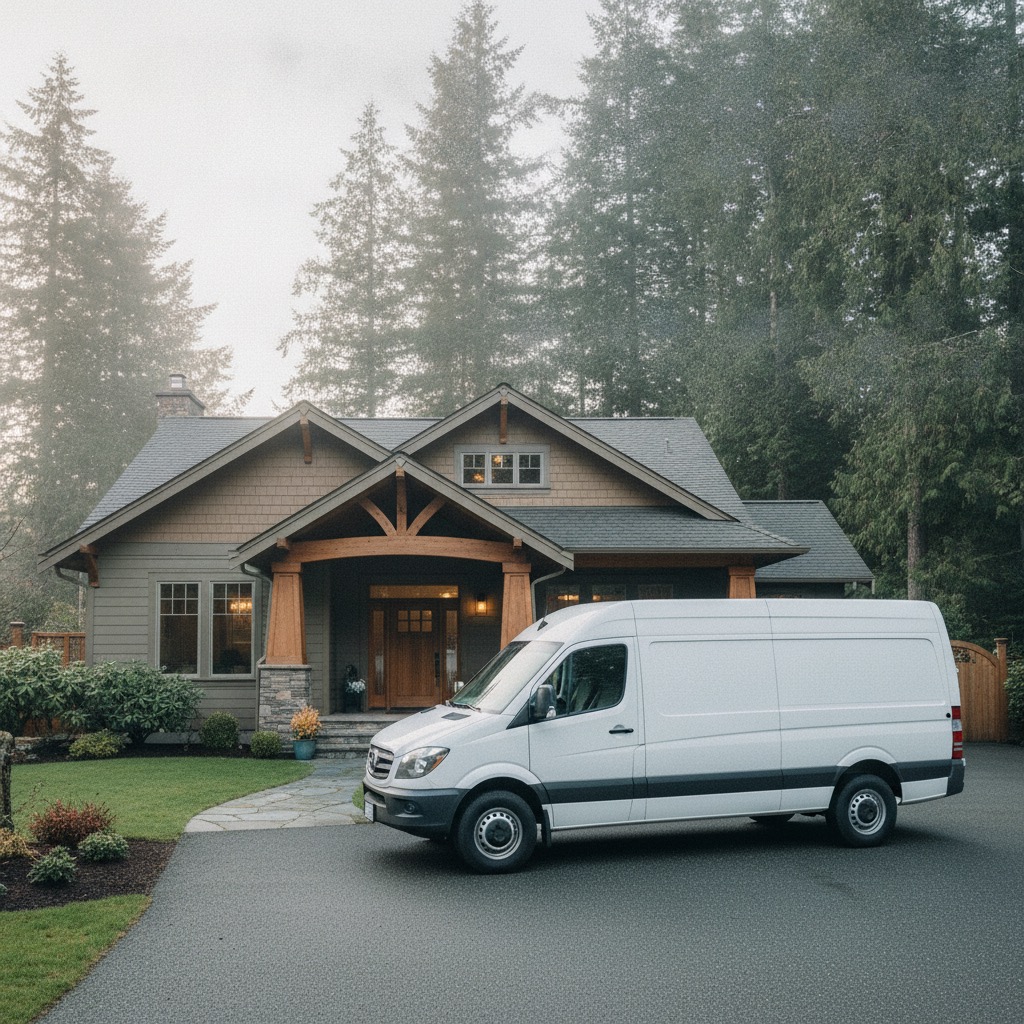
Facing the Winter Propane Dilemma in Clark County
When you are constantly checking your fuel tank gauge, analyzing the ROI of switching from delivered propane to an electric heat pump in rural Battle Ground becomes about much more than just utility bills—it is about eliminating winter anxiety entirely. Your heating system should provide consistent comfort, but relying on delivered fuel often brings a unique set of stresses. From monitoring tank percentages to hoping the delivery truck can safely navigate your driveway before a freeze, the logistical burden of combustion heating is significant. The September pre-heating season represents a critical decision point for homeowners: lock in another winter fuel contract, or make a permanent transition to a more reliable, grid-tied system.
For homeowners looking for a permanent solution, our team at All Around Mechanical knows that upgrading to high-efficiency air conditioning and heat pump systems through professional HVAC installation in Battle Ground changes the equation entirely.
The concept of Logistical ROI:
- Continuous operation: A grid-tied electric system runs steadily without you ever needing to schedule a delivery or check a fuel gauge.
- Property protection: Heavy commercial delivery trucks no longer need to navigate your property, protecting your driveway, landscaping, and private roads from damage.
- Predictable comfort: You gain the peace of mind that comes from knowing your heating system will not suddenly shut down simply because a scheduled delivery was delayed by weather.
Modern electric heat pumps have evolved to become the ultimate solution for rural properties. By shifting away from combustion, you remove the physical and mental overhead of managing a fuel supply, allowing you to enjoy consistent, reliable warmth regardless of what the weather is doing outside.
Redefining ROI: The Hidden Logistical Costs of Delivered Fuel
When calculating the ROI of your next HVAC upgrade, it is easy to focus strictly on the monthly energy statements. However, the true cost of relying on delivered propane encompasses much more than the fuel itself. The unpredictability of delivery schedules and the fluctuating seasonal rates add a layer of complexity to heating your home that electric systems simply do not have. Every time the temperature drops, you are forced to manage a finite resource, hoping that your current supply will last until the next available truck can make it out to your property.
This logistical burden becomes especially apparent when considering the specific localized weather patterns of the Pacific Northwest. In our years of providing HVAC services across Ridgefield and Clark County, we have seen firsthand how freezing rain, muddy access routes, and steep unpaved roads can severely disrupt heavy propane truck deliveries to rural properties. When a severe winter storm hits the rural Battle Ground / Clark County outskirts, the very conditions that make you need heat the most are the same conditions that prevent delivery trucks from reaching your home safely.
The Stress of the 'Tank Watch'
The mental load of tracking fuel percentages during peak winter months is a hidden cost that homeowners often accept as normal. Constantly checking the gauge, calculating daily usage during a cold snap, and rationing heat while waiting for a delayed delivery creates unnecessary stress. The risk of a complete run-out during a severe weather event is a serious concern, especially when rural routes become impassable for heavy commercial vehicles.
| Heating Factor | Delivered Propane System | Grid-Tied Electric Heat Pump |
|---|---|---|
| Fuel Supply | Finite tank capacity requiring constant monitoring. | Continuous, unlimited grid power supply. |
| Weather Vulnerability | Deliveries delayed by freezing rain or muddy roads. | Unaffected by road conditions; always on. |
| Property Impact | Heavy commercial trucks cause wear on driveways. | Zero delivery traffic required. |
| Pricing Predictability | Subject to volatile seasonal fuel market spikes. | Regulated, predictable utility rates. |
Transitioning to an electric heat pump reclaims your property from heavy truck traffic and eliminates the "tank watch" entirely. The return on investment is measured not just in efficiency, but in the complete removal of fuel logistics from your winter routine.

Why September is the Critical Upgrade Window
Timing your transition away from delivered fuel is a strategic decision. While a heating system can technically be replaced at any point in the year, the late summer and early fall provide a unique window of opportunity. The September pre-heating season is the ideal time to evaluate your home's infrastructure and make a change before the heavy cold sets in and limits your options.
Waiting until your furnace fails or your tank runs dry forces a rushed decision, which we often see resulting in a direct replacement of the same outdated technology. By acting proactively, you retain control over the process.
- Avoiding the contract trap: Many fuel suppliers require homeowners to lock into winter delivery contracts early in the fall. Making the switch to an electric system now prevents you from being financially tied to a seasonal fuel commitment you no longer need.
- Securing optimal installation dates: Scheduling an upgrade in September ensures that your new system is fully installed, tested, and operational long before the first major frost hits the region.
- Evaluating comprehensive options: Upgrading before an emergency allows technicians the necessary time to perform proper load calculations and assess your existing ductwork without the pressure of a freezing house.
- Leveraging available incentives: Generic utility incentives and federal tax credits may apply to qualifying high-efficiency installations. Planning your upgrade in the fall gives you ample time to research these programs and ensure your new system meets the necessary efficiency standards. (Always verify current programs with your local utility provider or a qualified tax professional.)
Making the decision to upgrade during this critical window ensures a smooth, stress-free transition, allowing you to enter the winter season with absolute confidence in your home's heating reliability.
How Cold-Climate Electric Heat Pumps Excel in Rural Washington
A common hesitation our technicians at All Around Mechanical hear from homeowners transitioning away from combustion heating is whether an electric system can truly handle the demands of a Pacific Northwest winter. The short answer is yes. Modern cold-climate electric heat pumps represent a massive leap forward in HVAC technology, engineered specifically to operate efficiently in sub-freezing temperatures without relying on backup combustion fuel.
Unlike traditional systems that operate on a rigid on-or-off cycle, modern heat pumps utilize advanced variable-speed technology. This allows the system to continuously adjust its output to exactly match the heating demands of your home. The result is the elimination of the frustrating short-cycling associated with oversized furnaces, providing a much more even, consistent indoor temperature throughout the day and night.
Sub-Freezing Efficiency Without Backup Fuel
The secret to this performance lies in the compressor technology. Variable-speed compressors and advanced refrigerants allow the system to extract ambient thermal energy from the outside air, even when temperatures drop well below freezing. This technological advancement has made supplemental propane heating entirely obsolete for modern retrofits in the rural Battle Ground / Clark County outskirts.
Beyond performance, upgrading to a fully electric system offers significant environmental and safety benefits:
- Zero indoor combustion: Eliminating the burning of fossil fuels inside your home removes the risk of carbon monoxide leaks and the need for complex exhaust venting.
- Improved indoor air quality: Without the continuous cycling of a combustion burner, electric systems often provide cleaner, more consistent air circulation.
- Reduced carbon footprint: Transitioning to a high-efficiency electric system significantly lowers your home's overall environmental impact.
These systems are not just viable alternatives to propane; they are superior heating solutions designed to excel in challenging rural environments.
The 'Comfort ROI': Gaining Summer Cooling in the Same Upgrade
When evaluating the return on investment for a new heating system, it is crucial to look at the year-round benefits. One of the most significant advantages of switching to an electric heat pump is that it provides a two-in-one solution: high-efficiency winter heating and powerful summer cooling. This dual functionality effectively doubles the value of your upgrade.
A traditional propane furnace sits completely dormant for half the year. If you want air conditioning during the increasingly hot Pacific Northwest summers, you are forced to purchase, install, and maintain a completely separate, standalone AC unit. This means managing two different pieces of equipment, often with different lifespans and maintenance schedules.
The year-round advantage:
- Unified temperature control: A heat pump uses the exact same refrigeration cycle to cool your home in the summer as it does to heat it in the winter—it simply reverses the flow.
- Space efficiency: Consolidating your heating and cooling into a single outdoor condenser frees up space around your property and simplifies your mechanical infrastructure.
- Consistent dehumidification: During the cooling season, heat pumps excel at removing excess humidity from the indoor air, providing a more comfortable living environment even on moderately warm days.
Framing this year-round temperature control as a massive boost to the overall "Comfort ROI" changes the perspective on the initial investment. You are not just replacing a winter heater; you are fundamentally upgrading your home's complete climate management system for all twelve months of the year.
Navigating the Retrofit Process for Older Rural Properties
Retrofitting an older rural home with a modern high-efficiency system requires more than just swapping out a box in the basement. Older properties in the rural Battle Ground / Clark County outskirts often present unique ductwork, electrical, or structural challenges that must be carefully addressed to ensure the new system operates at peak performance.
Transitioning away from a high-BTU combustion furnace to a steady-state electric heat pump requires a precise, professional load calculation. This assessment evaluates your home's square footage, insulation levels, window quality, and overall thermal envelope to determine the exact size and capacity the new system requires. Skipping this step often results in an undersized system that struggles to keep up, or an oversized system that short-cycles and wastes energy.
Working with a team that has deep local expertise in retrofitting high-efficiency HVAC systems specifically for rural Clark County properties ensures these challenges are handled smoothly. The installation process is streamlined to minimize disruption to your daily life. One rural homeowner recently reached out to us at All Around Mechanical during the late summer when they needed a complete heating and cooling system upgrade. After a thorough assessment of their older property, our technician provided a clear quote with multiple options. The installation was scheduled for the following week, and by the afternoon of the install, the new system had the home comfortably cooled to 69 degrees.
What professionals check during a retrofit assessment:
- Ductwork integrity: Ensuring existing ducts are properly sealed and sized to handle the continuous, steady airflow of a variable-speed heat pump.
- Electrical capacity: Verifying that the home's electrical panel can safely support the dedicated circuits required for the new outdoor condenser and indoor air handler.
- Airflow distribution: Identifying any hot or cold spots in the home to adjust venting and return air paths for optimal comfort.
When handled by knowledgeable professionals, transitioning a legacy rural property to a modern electric system is a straightforward, highly rewarding process.
Long-Term Reliability and Simplified Maintenance
The operational differences between combustion and electric systems extend directly into their ongoing upkeep. Contrasting the maintenance of a propane system with the streamlined care of an electric heat pump reveals another layer of long-term value.
Maintaining a propane furnace involves managing combustion byproducts. This requires regular tank inspections, checking fuel lines for leaks, cleaning soot from burners, and verifying the integrity of the heat exchanger to prevent carbon monoxide risks. It is an intensive process focused heavily on safety and hazard prevention.
In contrast, maintaining a heat pump is primarily focused on airflow and refrigerant efficiency. Because there is no combustion, the system stays inherently cleaner. Scheduling routine system maintenance in Battle Ground with our seasoned technicians involves tasks like cleaning the condenser coils, verifying the refrigerant charge, checking electrical connections, and replacing air filters. Regular professional tune-ups keep the variable-speed compressors running at peak efficiency year-round.
The benefits of simplified upkeep:
- Single-system focus: You gain the peace of mind that comes from managing a single, unified system rather than coordinating separate maintenance visits for a winter furnace and a summer air conditioner.
- Reduced safety risks: Without pilot lights, burners, or exhaust flues to monitor, the potential for dangerous equipment failure is drastically reduced.
- Protected investment: Proper, consistent care extends the lifespan of the equipment, ensuring your initial investment continues to deliver reliable comfort for years to come.
Securing Your Winter Comfort Before the Cold Hits
The true ROI of switching from delivered propane to an electric heat pump in rural Battle Ground is found in the complete logistical freedom and year-round comfort it provides. By eliminating the anxiety of unpredictable winter fuel deliveries, protecting your property from heavy commercial trucks, and gaining high-efficiency summer cooling in the exact same upgrade, you fundamentally improve how your home operates.
As the September pre-heating season approaches, now is the time to act before winter propane contracts are finalized and the heavy cold sets in. Take control of your home's climate by consulting with our local experts at All Around Mechanical to evaluate your rural property for a high-efficiency retrofit. Securing professional HVAC installation in Battle Ground today ensures your family will enjoy consistent, reliable warmth all winter long, completely free from the stress of the fuel gauge.
Frequently Asked Questions
Can a heat pump fully replace a propane furnace in a rural home?
Yes, modern cold-climate heat pumps are designed to fully replace traditional combustion furnaces without the need for backup fuel. They utilize advanced variable-speed compressors to extract heat from the outside air even when temperatures drop well below freezing. This provides consistent, reliable warmth throughout the entire winter season.
Do electric heat pumps work well in cold rural climates during winter?
Absolutely. Cold-climate heat pump technology has advanced significantly, making them highly effective in the Pacific Northwest's winter conditions. Unlike older models that struggled in the cold, today's systems maintain high efficiency and steady heating output even during severe cold snaps, ensuring your rural home stays comfortable.
What are the main disadvantages of heating a home with delivered propane?
The primary disadvantages include the logistical stress of monitoring tank levels, the vulnerability to delayed deliveries during severe weather, and the wear and tear heavy commercial trucks cause on rural driveways. Additionally, propane heating leaves you subject to unpredictable seasonal fuel market spikes and requires a separate, dormant system if you want summer cooling.
How reliable are heat pumps during severe weather compared to propane systems?
Heat pumps offer superior reliability because they are directly tied to the electrical grid, eliminating the risk of running out of fuel during a storm when delivery trucks cannot safely navigate icy or muddy rural roads. As long as your home has power, your heat pump will continue to provide steady, consistent warmth without any logistical intervention.
Why is early fall the best time to switch from propane to electric heating?
Early fall is the optimal window because it allows you to upgrade your system before the heavy cold sets in and before you are forced to lock into a seasonal winter propane delivery contract. Scheduling the transition in September ensures the new system is fully operational and tested before the first major frost hits your property.
Are there generic tax credits available for upgrading to a cold-climate heat pump?
Yes, generic federal tax credits and various local utility incentives frequently apply to qualifying high-efficiency electric heat pump installations. Because these programs evolve, it is always recommended to consult with your HVAC installer and a qualified tax professional to verify which current incentives your new system may qualify for.
Recent Posts

Sep 24, 2026 / 9 min
Leveraging Our 10% Off Maintenance Promo for a Comprehensive Pre-Winter Safety Check
Early fall is the only time you can catch a compromised heat exchanger before your system runs continuously. See why booking a September inspection protects your home.

Sep 23, 2026 / 10 min
How a Professionally Installed Zoning System Cures the Classic Hot Upstairs, Freezing Downstairs Dilemma
Stop battling your thermostat to balance a freezing lower floor and a sweltering second story. See how automated dampers and bypass ducts permanently fix your home's airflow before winter hits.

Sep 22, 2026 / 11 min
The Washington Crawlspace Debate: How Venting Impacts Your Ground-Floor HVAC Efficiency
As autumn temperatures drop, leaving crawlspace vents open can force your heating system into overdrive. We break down whether you should seal them to protect uninsulated ductwork.