

Maximizing Our $150 Heat Pump Installation Discount Before the Winter Rush
Planning a heating system upgrade?
Discover why scheduling your replacement during the early fall promotion helps you avoid peak-season bottlenecks.
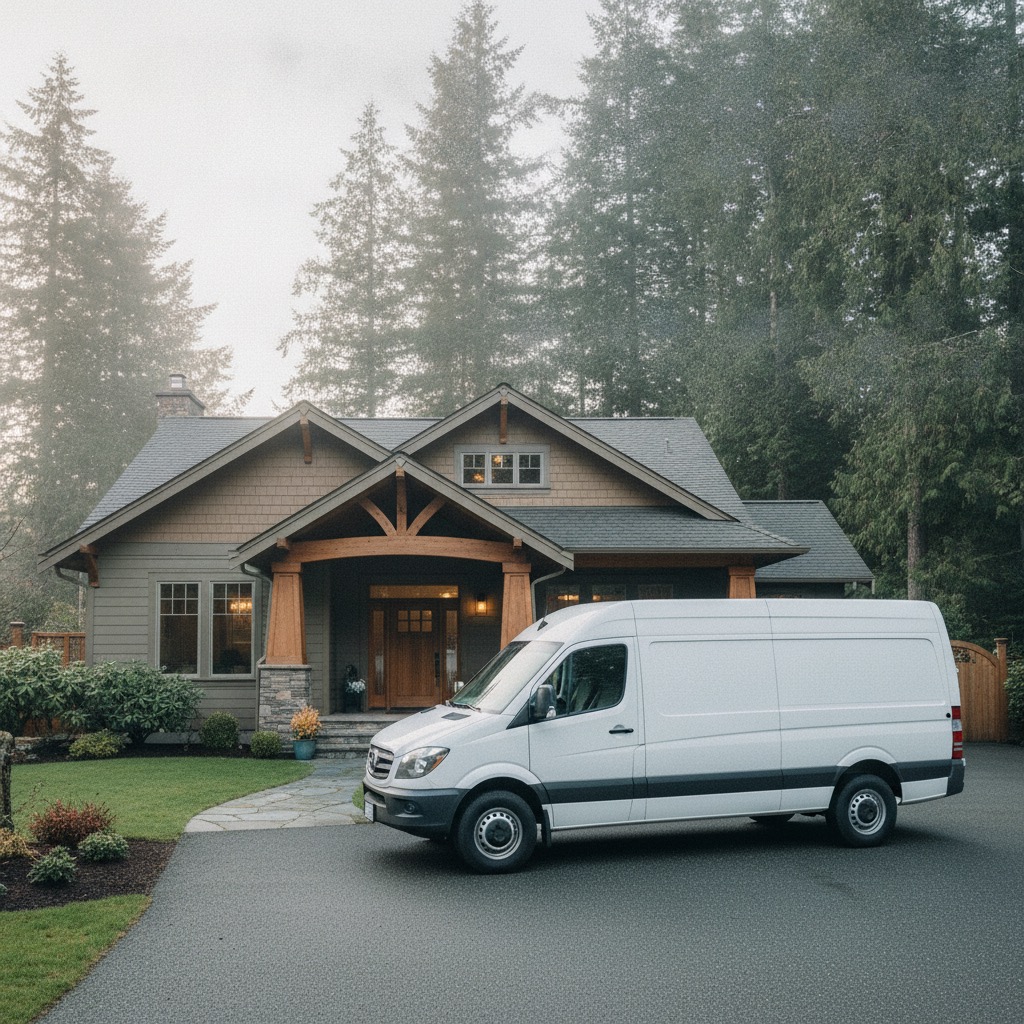
Is Fall the Best Time to Replace Your Heat Pump?
Are you interested in Maximizing Our $150 Heat Pump Installation Discount Before the Winter Rush leaves your home vulnerable to freezing temperatures? You are asking the right question at exactly the right time. In our years serving Ridgefield WA homeowners at All Around Mechanical, our team typically sees families face a difficult dilemma as the weather shifts: limp through another unpredictable winter with an aging, inefficient system, or upgrade proactively while the weather is still mild. Making the switch during the September pre-heating season offers a massive strategic advantage. Local HVAC technicians have optimal availability right now, but schedules fill up rapidly the moment temperatures begin to drop.
For comprehensive support, explore our Air Conditioning & Heat Pump Services or schedule your Ridgefield System Installation & Replacement today.
The transition to cold, wet winters in Southwest Washington happens fast, creating a sudden spike in emergency heating calls every single year. By acting early, you secure a smooth installation process without the stress of a mid-winter breakdown. Taking advantage of the current fall promotion acts as a timely incentive to make the switch now, combining our local expertise in winterizing Ridgefield WA area homes with an exclusive opportunity to save on your upcoming installation. Proactive planning ensures your family stays comfortable, no matter what the local forecast brings.
Why You Shouldn't Wait Until Winter for a System Swap
The problem with winter replacements: Waiting for your heat pump to fail during a deep freeze creates a logistical nightmare. When the first major cold snap hits, our technicians see a massive surge in emergency service requests across the region. This peak-season scheduling bottleneck means that a replacement that would take a single day in early fall could easily turn into a multi-day wait for an available technician and sourced parts.
The cause of the stress: A pattern we see often is that emergency replacements inherently lack flexibility. One local customer reached out late on a spring Friday evening when their heat pump stopped working completely. Our team detoured to their location and fixed the system in no time. While emergency rescues are a vital part of our service, relying on that kind of immediate availability during a widespread winter freeze is a dangerous gamble. Furthermore, cold-weather installations are significantly harder on equipment and temporarily expose your home's interior to freezing temperatures while doors are open and the old unit is disconnected.
The proactive solution: A planned installation during the September pre-heating season eliminates the chaos. You get to choose the installation date that fits your schedule, and the work is completed while your home naturally stays at a comfortable temperature.
| Factor | Fall Planned Installation | Winter Emergency Replacement |
|---|---|---|
| Scheduling | Flexible, priority booking available | Days-long wait times during deep freezes |
| Home Comfort | Mild outdoor temps keep the house comfortable | Indoor temperatures drop rapidly during the swap |
| Stress Level | Low; planned around your daily routine | High; scrambling for heat and emergency service |

How a Fall Installation Promotion Maximizes Your Investment
Utilizing a current fall installation discount significantly lowers the barrier to upgrading an inefficient, aging system. Instead of viewing a replacement as a distressed purchase forced by a breakdown, you can approach it as a strategic upgrade that immediately begins paying dividends. New, energy-efficient heat pumps start lowering your monthly utility bills the moment they are turned on, right as your home's heating demands begin to rise for the season.
Beyond the immediate discount, acting now secures priority scheduling for Ridgefield WA area homes before the seasonal rush begins. You are not just upgrading your equipment; you are buying peace of mind. A planned installation means you have the time to carefully select the right unit for your home's specific footprint, rather than settling for whatever model happens to be in stock during a winter emergency.
Can I stack the fall promotion with utility rebates?
Yes, many high-efficiency heat pump systems qualify for broader incentive programs beyond our current fall promotion. Generic federal tax credits and local utility rebates are frequently available for homeowners who upgrade to energy-saving models. We highly advise checking directly with your local utility providers or a tax professional to verify which current programs you can stack with your installation discount, maximizing your overall investment.
Signs Your Aging Heat Pump Won't Survive the Winter
Knowing when to replace your system before it fails requires paying attention to the subtle warning signs your equipment gives off. Based on our extensive experience diagnosing failing units across Ridgefield, if your heat pump is already struggling to maintain a comfortable temperature during the mild September pre-heating season, it will almost certainly fail during a deep winter freeze. Understanding these symptoms helps you utilize the current promotion proactively.
- Uneven heating throughout the house: If your living room is freezing while the hallway is sweltering, your aging compressor is likely losing its ability to distribute conditioned air evenly.
- Constant, short cycling: A heat pump that turns on and off every few minutes is overworking. This short cycling drives up energy bills and accelerates mechanical wear and tear.
- Unexpected and loud noises: If you find yourself searching for Why Is My Heater Making a Clicking Sound? A Diagnostic Guide, that is a strong indicator of failing electrical relays or motor bearings.
- Increased energy bills: A sudden, unexplained spike in your monthly utility costs usually means the system is consuming excessive power just to maintain baseline temperatures.
- Age of the equipment: Heat pumps generally last between 10 and 15 years. If your unit is approaching or exceeding this lifespan, its efficiency in cold climates is already severely compromised.
Do not wait for a complete breakdown to occur. Recognizing these signs early allows you to schedule a replacement on your terms, avoiding the discomfort of a freezing home.
The Installation Process: What to Expect During a Planned Upgrade
Many homeowners hesitate to replace their heating systems because they fear the installation process will be highly disruptive. In reality, a planned fall upgrade for Ridgefield WA area homes is a streamlined, organized event. Demystifying this process helps remove the friction of moving forward with your new heat pump.
- Pre-installation assessment and load calculation: Before any equipment is ordered, our technicians thoroughly assess your home's existing ductwork and calculate your specific heating load. This ensures your new heat pump is perfectly sized—neither too small to heat the home nor too large, which causes inefficiency.
- Safe removal of the old unit: On installation day, the team safely disconnects and removes your aging equipment. Refrigerant is recovered according to environmental regulations, and the old unit is hauled away for proper recycling.
- Clean and efficient setup: The new indoor air handler and outdoor compressor are securely positioned. Technicians carefully connect the new refrigerant lines, electrical wiring, and thermostat controls, ensuring everything meets strict local building codes.
- System calibration and testing: Once installed, the system is powered on and rigorously tested. The team checks airflow, measures temperature drops, and ensures the heat pump cycles correctly in both heating and cooling modes.
- Homeowner walkthrough: Finally, our lead technician will walk you through how to operate your new thermostat, explain basic filter changes, and answer any questions you have about your new system.
Because this process takes place during a planned window, it minimizes disruption to your daily routine, allowing you to enjoy your new system by the time evening falls.
Beyond Heating: Pairing Your New System with Better Air Quality
A new heat pump installation presents the perfect opportunity to address other comfort issues in your home, specifically indoor air quality. During the September pre-heating season, our region frequently deals with heavy fall allergens and lingering wildfire smoke. Upgrading your heating system is the most cost-effective time to integrate advanced air purification components.
During a recent fall season, our team helped one local homeowner who needed their HVAC system to aggressively remove heavy smoke from nearby wildfires that had infiltrated the house. We responded quickly and installed a whole-home air purifier directly into the HVAC system within an hour. The outcome was immediate—the system successfully filtered out the hazardous smoke, allowing the family to breathe easily and safely indoors.
Whole-home air purifiers and advanced scrubbers integrate directly into your new air handler, meaning they clean the air every time your heat pump cycles on. By tackling both your heating and air quality upgrades simultaneously, you save significantly on labor time and drastically enhance your overall home comfort. If you are sensitive to seasonal allergens or concerned about smoke, consider discussing an Air Purification Installation during your heat pump consultation.
Protecting Your New Investment Before Freezing Temperatures Hit
Even brand-new, high-efficiency heating systems require a baseline understanding of seasonal care to operate at peak performance. Once your planned installation is complete, taking a few simple steps will ensure your investment remains protected long before the freezing temperatures arrive for Ridgefield WA area homes.
First, keep the area around your outdoor compressor completely clear of fall debris. Leaves, twigs, and overgrown bushes restrict the airflow your heat pump desperately needs to extract heat from the outside air. A blocked outdoor unit forces the compressor to work twice as hard, reducing efficiency and increasing the risk of premature wear.
Second, commit to a routine maintenance schedule. Regular Seasonal Maintenance & Tune-Ups are required by most major manufacturers to keep your warranty valid. Proactive care involves checking electrical connections, clearing condensate drains, and verifying refrigerant levels. A quick tune-up prevents unexpected mid-season performance drops, ensuring your new heat pump delivers consistent, reliable warmth all winter long.
Frequently Asked Questions About Heat Pump Upgrades
What is the best month to replace a heat pump?
September is widely considered the best month to replace a heat pump. During this pre-heating season, HVAC contractors have optimal availability before winter emergency calls spike. The mild weather also ensures your home remains comfortable while the old system is disconnected and the new one is installed.
Can a heat pump be installed in the winter?
Yes, a heat pump can physically be installed during the winter, but it is far from ideal. Winter installations often come with days of waiting due to peak-season scheduling bottlenecks, and your home will be exposed to freezing temperatures while the work is being completed. Planning ahead avoids this stressful scenario entirely.
Why is my heat pump struggling in the cold?
Your heat pump is likely struggling in the cold because it is aging, losing refrigerant, or suffering from a failing compressor. As systems pass the 10-to-15-year mark, their ability to extract ambient heat from cold winter air drops significantly. If it struggles during the mild fall, it will likely fail completely during a deep freeze.
How long does it take to install a new heat pump?
A standard heat pump replacement typically takes one full day to complete. This includes the safe removal of your old equipment, the installation of the new indoor and outdoor units, and comprehensive system testing. Complex installations requiring significant ductwork modifications may extend into a second day.
Why shouldn't I wait until winter to replace my heat pump?
You shouldn't wait until winter because emergency replacements often mean waiting several days in a freezing house while technicians source parts and clear their backlog of urgent calls. Proactive replacement during the fall guarantees priority scheduling and protects your family from unexpected heating loss.
How does scheduling an installation during a fall promotion benefit me?
Scheduling during a fall promotion lowers the upfront barrier to upgrading your system while simultaneously securing your spot on the installation calendar before the winter rush. You gain immediate access to energy-efficient heating that lowers your monthly utility bills just as the cold weather sets in.
Secure Your Fall Installation and Beat the Winter Rush
There is an undeniable peace of mind that comes with knowing your home is equipped with a reliable, newly installed heating system before the first frost arrives. For Ridgefield WA area homes, the window for comfortable, planned installations is rapidly closing as we move deeper into the season.
Reiterating the urgency of this brief early-fall window is about protecting your comfort and maximizing your investment. By leveraging the current installation discount, you secure priority service and avoid the stress of winter breakdowns. Do not wait for your aging system to make the decision for you on a freezing night. Schedule your comprehensive heating assessment today, lock in your promotional savings, and step into the winter season with total confidence in your home's comfort.
Recent Posts

Oct 16, 2026 / 9 min
AC Repair Near Me: Troubleshooting Fall Heating Startup & Burning Odors in Ridgefield
Navigating the Shift from Late-Summer Cooling to Fall Heating in Ridgefield When the first chilly October morning arrives and you switch your thermostat from cooling to heating, yo

Oct 15, 2026 / 9 min
AC Repair Near Me & Fall Startups: Common Homeowner Questions Answered
Is That Burning Smell Normal During Your Fall Heating Startup? Have you ever turned on your heat for the first time in autumn and immediately searched for common homeowner question

Oct 14, 2026 / 9 min
Daikin One Touch Smart Thermostat Manual: Navigating the First Fall Heating Startup
Facing the First Chilly October Morning: Is Your Heating System Ready? October brings that familiar, biting dampness to the Pacific Northwest, and here at All Around Mechanical, we