

The Washington Crawlspace Debate: How Venting Impacts Your Ground-Floor HVAC Efficiency
As autumn temperatures drop, leaving crawlspace vents open can force your heating system into overdrive.
We break down whether you should seal them to protect uninsulated ductwork.
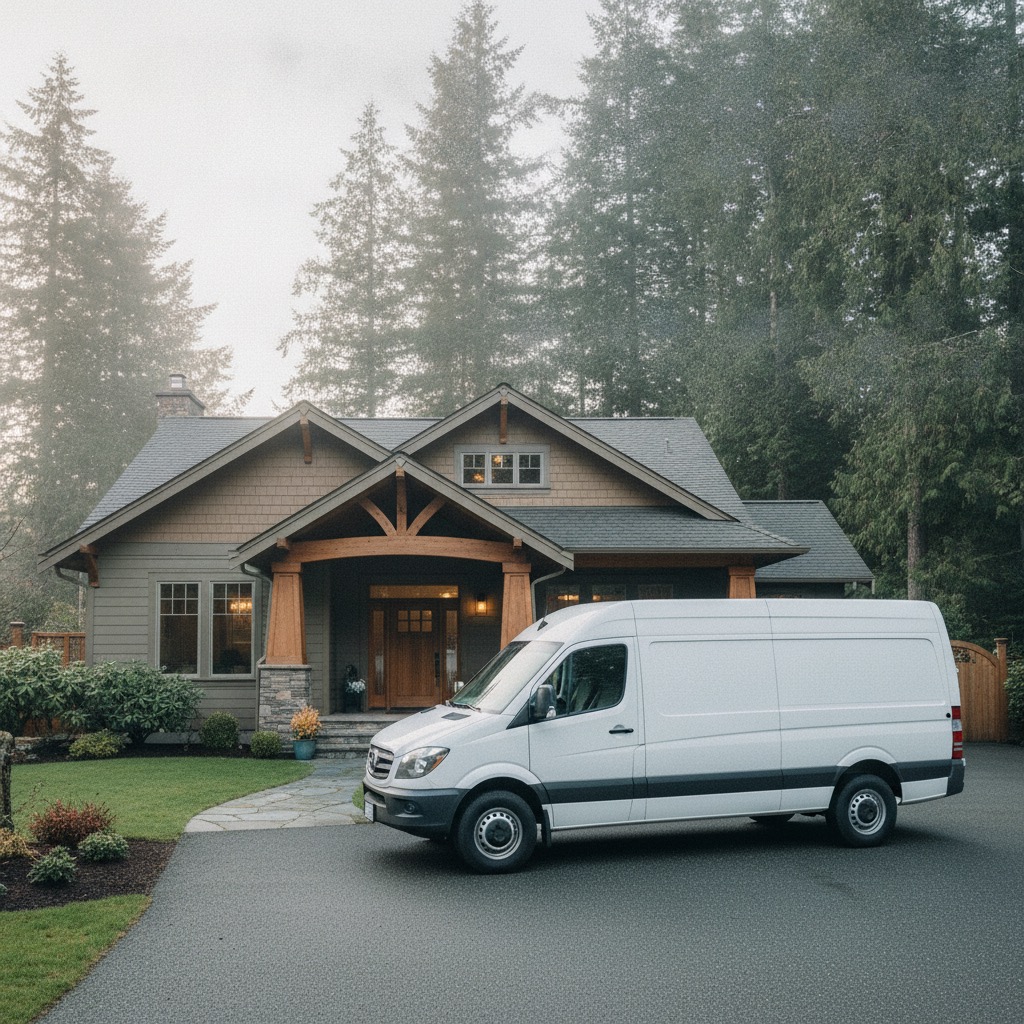
September in the Pacific Northwest: The Annual Crawlspace Dilemma
Before the first heavy rains hit and the leaves start falling, homeowners across the Pacific Northwest face a familiar dilemma. If you are trying to settle the Washington crawlspace debate: how venting impacts your ground-floor HVAC efficiency, our team at All Around Mechanical can assure you that you are certainly not alone. September in Southwest Washington marks a critical transition period. Average low temperatures rapidly drop into the 40s and 50s, while environmental moisture levels begin their steady seasonal climb. This shift forces a difficult decision: do you leave your crawlspace vents open to prevent moisture buildup, or do you block them to keep your floors warm?
This is not just a matter of keeping your toes comfortable on a chilly morning. The state of your crawlspace directly dictates how hard your ground-floor heating system has to work to maintain a comfortable indoor temperature. When cold, damp air circulates freely directly beneath your living space, your furnace or heat pump is forced into overdrive. Navigating this seasonal shift requires a solid understanding of whole-home ventilation, where the crawlspace acts as a foundational, yet frequently overlooked, component of your home's overall breathing system.
As we move deeper into the Pacific Northwest early autumn season, making the right call on your foundation vents can mean the difference between a highly efficient heating system and one that struggles through the winter. The window to prepare your home is short, and the choices you make now will affect your energy usage, your indoor comfort, and the lifespan of your HVAC equipment.
Understanding the Washington State Building Code and Crawlspace Moisture
To understand why most homes in Ridgefield WA and surrounding Clark County feature vented crawlspaces, we have to look at the historical reasoning behind local construction practices. The primary enemy of any wood-framed house is trapped moisture. In a region famous for its heavy winter rainfall, the ground beneath your home acts like a massive sponge, constantly releasing water vapor upward.
Historically, builders solved this problem by installing foundation vents. The idea was simple: allow outside air to sweep through the crawlspace, picking up ground moisture and carrying it away before it could rot the floor joists or spawn mold. The Washington State Building Code (WSBC) includes specific provisions for unconditioned crawlspaces, mandating a certain ratio of vent space to floor area to ensure adequate airflow. These codes were written with structural preservation in mind, heavily prioritizing moisture management over energy conservation.
However, this traditional approach creates a significant conflict for modern homeowners. While venting effectively addresses the moisture issue, it introduces massive energy challenges. If you are looking to balance these conflicting needs, consulting with professionals who provide ventilation services in Ridgefield is often the safest way to ensure your home remains structurally sound without sacrificing heating efficiency.
The Moisture vs. Efficiency Trade-off
The core of the problem lies in the concept of the thermal envelope. Your home's thermal envelope is the physical barrier that separates the conditioned indoor air from the unconditioned outdoor air. In a traditionally vented home, the crawlspace sits entirely outside of this envelope.
The physical reality: Allowing outside air to circulate freely prevents dampness, but it also introduces freezing temperatures directly beneath your living space. The floor insulation is often the only thing standing between your heated rooms and the frigid air circulating below. When that insulation is inadequate, disturbed, or simply overwhelmed by the volume of cold air, your home's heating efficiency plummets. You are essentially trying to heat a box while the bottom of that box is exposed to the elements.
The Hidden Impact of Cold Autumn Drafts on Ground-Floor Ductwork
The most severe consequence of an open crawlspace in the autumn is the toll it takes on your HVAC ductwork. In our years of servicing homes throughout Ridgefield and Clark County, we consistently see the main trunk lines and branch ducts responsible for heating the ground floor routed directly through the crawlspace. According to the U.S. Department of Energy, up to 20% of heated air can be lost in uninsulated or poorly insulated ducts located in unconditioned spaces.
The physics of this heat transfer are working against you. When your furnace kicks on, it pushes hot air through thin metal ducts. If those ducts are surrounded by 40-degree crawlspace air, the metal rapidly cools. The heat inside the duct bleeds out into the cold crawlspace before it ever reaches your living room vents. To compensate for this massive temperature loss, your furnace has to run much longer cycles. This overworking leads to increased energy usage, accelerated mechanical wear, and often, unusual operational noises. If you find yourself wondering why your heater is making a clicking sound, the mechanical stress of overworking to overcome cold ductwork is frequently a contributing factor.
| Crawlspace Environment | Impact on HVAC Ductwork | System Workload & Efficiency |
|---|---|---|
| Vented & Unconditioned | Exposed to freezing drafts; rapid heat loss through thin metal walls. | High workload. Furnace runs longer cycles to deliver warm air to rooms. |
| Sealed & Conditioned | Surrounded by stable, moderate temperatures; minimal heat transfer. | Normal workload. System operates in short, efficient cycles as designed. |
| Vented but Heavily Insulated | Protected from direct drafts, but still fighting ambient cold air. | Moderate workload. Better than bare ducts, but still loses some thermal energy. |
Why Your Floors Feel Ice Cold
The heat loss from your ductwork is only half of the comfort equation. The other half is radiant heat loss through the floorboards themselves. When the air beneath your house is freezing, the physical materials of your home—the wood joists, the subfloor, and your hardwood or tile—absorb that cold.
Your HVAC system is designed to heat the air in the room, but when the floor is actively pulling heat out of the space, the thermostat struggles to stay satisfied. The system pushes warm air out, but the freezing floor acts like a giant ice pack, cooling the room back down almost instantly. This compounding effect forces the heating system to work twice as hard just to maintain a baseline temperature.

Why National Crawlspace Advice Fails in Clark County Microclimates
If you search online for advice on crawlspace vents, you will quickly find two aggressive, opposing camps. One side insists you must always leave vents open to prevent catastrophic rot. The other side demands you permanently seal every vent to save energy. Both extremes are fundamentally flawed when applied blindly to the Pacific Northwest.
Blanket national advice ignores the unique combination of high autumn moisture and rapid temperature drops specific to our region. A solution that works perfectly in the dry heat of Arizona or the freezing, low-humidity winters of the Midwest will fail miserably in Ridgefield WA and surrounding Clark County homes. Our local building styles interact differently with these microclimates, requiring a much more nuanced approach.
- High ambient humidity: Even when it isn't raining, our autumn air is heavy with moisture. Open vents can sometimes pull more moisture into a cool crawlspace than they let out.
- Rapid temperature swings: We frequently experience 30-degree temperature swings between a sunny September afternoon and a freezing midnight, causing rapid condensation on cold ductwork.
- Varying water tables: Many local neighborhoods sit on soil with high water tables, meaning ground moisture is a constant threat regardless of the season.
Working with our team at All Around Mechanical means you benefit from our firsthand, daily experience with Southwest Washington's specific microclimates and building styles. As local experts, we recognize that your home's needs depend on its exact location, drainage, and ductwork layout. We provide authoritative, locally-tailored advice rather than generic rules of thumb.
The Upward Draft: How Unsealed Crawlspaces Compromise Indoor Air Quality
The impact of an open crawlspace extends far beyond just heat loss and cold floors. It also plays a massive role in the overall health of your indoor environment due to a physical phenomenon known as the "stack effect." As your heating system warms the air inside your home, that warm air naturally rises toward the upper floors and attic. As it moves upward, it creates a slight negative pressure—a vacuum—at the lowest levels of the house.
This vacuum aggressively pulls unconditioned air up from the crawlspace, through the tiny gaps around pipe penetrations, floorboards, and unsealed duct joints. Whatever is floating in your crawlspace air is eventually pulled into your living room. This upward draft brings ground moisture, potential mold spores, and outdoor pollutants directly into your breathing space.
This becomes especially problematic during our specific autumn challenges. We recently helped a local homeowner who reached out to us during a fall wildfire season because their HVAC system was failing to remove heavy smoke from the indoor air. Because their home was pulling unconditioned, smoky air up from the crawlspace, the standard filter couldn't keep up. Our technicians quickly installed a dedicated air purifier directly into the HVAC system, which successfully cleared the smoke and allowed the family to breathe easily again.
Because so much of your indoor air originates beneath the house, managing that space is critical for health. Professional indoor air quality testing is often the best way to determine exactly how much crawlspace air is mixing with your home's breathing air and what pollutants it might be carrying.
Professional Weatherization: Protecting Your HVAC System Before Winter
Addressing the crawlspace dilemma requires more than just walking around the perimeter of your house and sliding vent covers shut. Without proper assessment, sealing vents can trap moisture and cause severe structural damage. Conversely, leaving them open without protecting your ductwork guarantees high heating bills. Professional weatherization strikes the necessary balance, protecting your HVAC system before the deep freeze sets in.
A comprehensive approach ensures that your system is not fighting a losing battle against the cold. We saw this firsthand when one of our Clark County customers experienced an unexpected heat pump failure during a harsh winter freeze. The system had been overworked trying to compensate for poor ground-floor conditions. Our technicians responded quickly, evaluated the entire system's airflow dynamics, and made critical adjustments that restored function and permanently improved the system's air delivery. Catching these vulnerabilities early is exactly why we stress the importance of seasonal maintenance.
- Comprehensive Duct Inspection: Technicians evaluate the physical condition of all ground-floor ductwork, checking for disconnected joints, failing tape, or degraded insulation where heat is escaping.
- Professional Air Sealing: Using specialized mastics and sealants, professionals close the gaps in the ductwork, ensuring that 100% of the heated air makes it to your living spaces.
- Moisture Assessment: Before any ventilation changes are made, the crawlspace is checked for standing water, vapor barrier integrity, and existing mold to ensure sealing won't cause secondary damage.
- Insulation Upgrades: Bare or poorly insulated ducts are wrapped in high R-value insulation, creating a strong thermal barrier against the cold ambient air.
If you are unsure where your home stands, scheduling professional ventilation services in Vancouver or your local area ensures that any weatherization efforts comply with local building codes and actually improve your system's efficiency.
Evaluating Encapsulation vs. Insulation
When professionals evaluate a Pacific Northwest early autumn (September) weatherization project, they typically recommend one of two paths based on the home's specific needs.
The first path is heavily insulating the ductwork and the floor joists while leaving the vents open. This protects the HVAC system's thermal energy while relying on traditional airflow to manage moisture. The second, more comprehensive path is full crawlspace encapsulation. This involves sealing all vents, installing a heavy-duty vapor barrier completely covering the ground and walls, and conditioning the space with a dehumidifier or a small amount of HVAC airflow. A professional HVAC technician evaluates your home's grading, existing moisture levels, and budget to recommend the most energy-efficient and structurally safe path.
Frequently Asked Questions About Washington Crawlspaces and HVAC Efficiency
Should I close my crawl space vents in autumn in Washington?
There is no universal answer, as it depends entirely on your home's moisture management system. If your crawlspace is unconditioned and relies on vents to prevent rot, closing them without adding a dehumidifier can trap dangerous moisture. However, if your crawlspace is professionally encapsulated, the vents should remain permanently sealed to protect your HVAC efficiency. Always have a professional evaluate your vapor barrier before blocking vents.
How does a vented crawl space affect heating bills?
A vented crawlspace allows freezing outside air to circulate directly beneath your floorboards and around your HVAC ductwork. This cold environment pulls heat out of the metal ducts and the floor above, forcing your furnace or heat pump to run much longer cycles to reach the desired temperature. This increased workload directly translates to higher monthly energy consumption during the autumn and winter months.
How do you protect ductwork in a vented crawl space?
The most effective way to protect ductwork in a vented space is through professional sealing and insulation. First, all joints and seams must be sealed with mastic to prevent heated air from leaking out into the crawlspace. Second, the entire duct system must be wrapped in high-quality, continuous insulation to create a thermal barrier against the cold drafts.
Does a vented crawl space make the floor cold?
Yes, a traditionally vented crawlspace is one of the leading causes of cold floors in the winter. Because the air circulating beneath the house is the same temperature as the air outside, the physical materials of your floor absorb that cold. Radiant heat loss through uninsulated floor joists makes the ground floor feel chilly, regardless of how high you set the thermostat.
Is crawl space encapsulation worth it in the PNW?
For many homeowners in the Pacific Northwest, encapsulation is highly beneficial. It permanently solves the conflict between moisture control and heating efficiency by bringing the crawlspace inside the home's thermal envelope. While it requires an upfront investment, it significantly reduces HVAC workload, improves indoor air quality, and eliminates the annual debate over opening or closing vents.
Secure Your Ground-Floor Comfort Before the Deep Freeze
Protecting your ground-floor ductwork from freezing drafts is absolutely essential for maintaining HVAC efficiency during Washington's damp, cold autumns. The debate over crawlspace vents cannot be solved with generic advice; it requires a tailored approach that accounts for your home's specific moisture levels and ductwork layout. Leaving uninsulated ducts exposed to cold air guarantees a winter of high energy bills and overworked equipment.
Do not wait until your floors are freezing and your furnace is struggling to keep up. Address the crawlspace dilemma before the peak heating season begins. Consult with local experts to evaluate your specific home's ventilation and insulation needs, ensuring you have a clear, regionally accurate strategy to keep your home warm and your HVAC system running efficiently all winter long.
Recent Posts

Sep 21, 2026 / 9 min
Why Homeowners Are Installing Ductless Mini-Splits to Create Usable Fall and Winter Garage Workshops
Heating an uninsulated garage workshop takes more than a basic space heater. Discover why ductless mini-splits provide the safest climate control for fall and winter projects.

Sep 18, 2026 / 9 min
Next Steps When Your Ridgefield Builder-Grade HVAC Reaches the End of Its 5-Year Warranty
Many newer homes in Ridgefield have entry-level heating systems approaching their warranty expiration. Evaluate your aging equipment now before winter forces an emergency replacement.

Sep 17, 2026 / 10 min
Why Upgrading to a High-Efficiency Heat Pump Might Require a Main Electrical Panel Upgrade First
Planning an early fall heating upgrade? Discover why your older home's electrical system might need a boost to safely handle a modern, high-efficiency heat pump.