

Heating Options Comparisons for Homeowners: Heat Pump vs. Gas Furnace
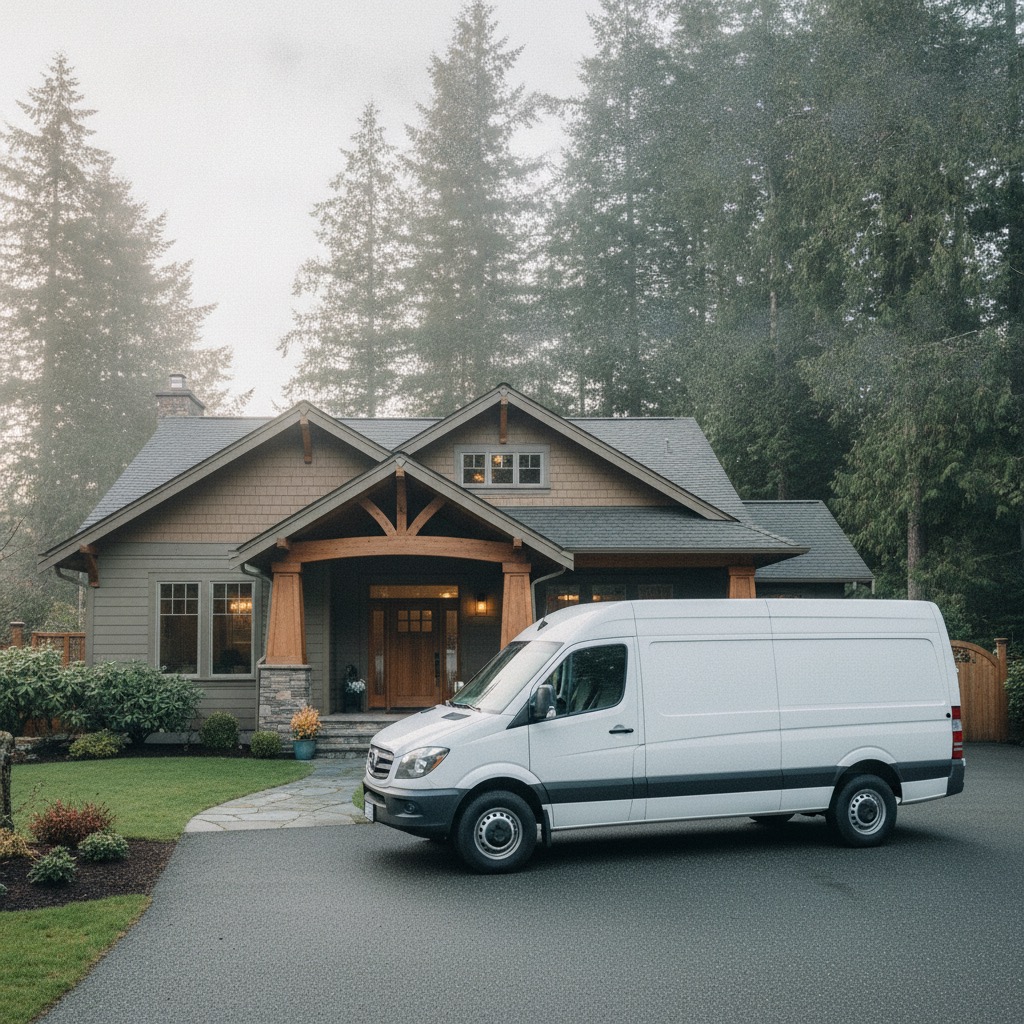
Navigating Your Pre-Winter Heating Replacement Options
The damp chill of another Pacific Northwest fall is settling in, and at All Around Mechanical, we know this makes heating options comparisons for homeowners a top priority before freezing temperatures arrive. If your current system struggled through last winter or required multiple service calls, our team typically sees right now as the critical window for a mid-fall pre-winter heating startup and replacement evaluation. Waiting until your system fails completely in December limits your choices and forces rushed decisions under pressure.
For most homes, the decision comes down to two primary paths: upgrading to a high-efficiency gas furnace or transitioning to a modern cold-climate heat pump. Both systems offer exceptional comfort and advanced technology, but they operate in fundamentally different ways. Making the right choice requires looking past basic marketing claims and understanding how each technology interacts with your home's specific ductwork, insulation, and the regional weather patterns. If you are exploring broader Air Conditioning Systems, it helps to know that heat pump technology is closely related to cooling equipment, just engineered to work in reverse.
Here is the thing: there is no single "best" heating system for every house. The ideal solution depends entirely on your infrastructure, your comfort preferences, and your long-term energy goals. This guide provides an objective, technical breakdown of how these two leading technologies compare, giving you the facts needed to navigate this major home investment.
Understanding Modern Cold-Climate Heat Pumps
Most homeowners don't realize that heat pumps do not actually generate heat. Instead of burning fuel to create warmth, they use electricity and advanced refrigerants to absorb ambient heat from the outside air, compress it to raise its temperature, and transfer it inside your home. Because they move heat rather than creating it, they offer an incredibly low carbon footprint and remarkable energy efficiency.
Historically, older heat pumps struggled when outdoor temperatures dropped below freezing. However, modern cold-climate heat pumps have solved this issue using inverter-driven compressors. Think of a traditional compressor like a light switch—it is either running at 100% capacity or turned completely off. An inverter compressor operates more like the gas pedal in your car, modulating its speed to match the exact heating demand of your home. This allows the system to extract usable heat from the air even when it is well below freezing outside. Because a heat pump is essentially an air conditioner that can reverse its cycle, finding a technician skilled in HVAC Repair Services ensures both your heating and cooling needs are met year-round by the same equipment.
Defrost Cycles and Damp Weather Performance
In our years of installing systems across Ridgefield WA, we've found the damp, chilly fall weather introduces a specific operational hurdle for heat pumps: frost. Here is how the system handles it:
- Moisture Accumulation: As the outdoor unit pulls heat from the cold, damp Pacific Northwest air, condensation forms on the copper coils.
- Frost Development: When the ambient temperature hovers near freezing, that condensation quickly turns to frost, which acts as an insulator and blocks airflow.
- Automated Defrost Cycle: The system detects this buildup and temporarily reverses its operation. It sends hot refrigerant back to the outdoor coil to melt the ice, while auxiliary strip heaters briefly warm the air circulating inside your home so you don't feel a cold draft.
- Return to Normal: Once the coil is clear, the system resumes its highly efficient heating cycle.
Proper sizing and calibration are mandatory here. If a system is oversized, it will short-cycle and fail to manage humidity properly; if it is undersized, it will run constantly and struggle to keep up with the defrost demands of a wet climate.
The Reliability of High-Efficiency Gas Furnaces
For decades, the gas furnace has been the undisputed champion of residential heating, and modern high-efficiency models are engineering marvels. Unlike heat pumps, furnaces rely on combustion. They burn natural gas or propane in a sealed chamber, transferring that intense heat to a metal heat exchanger. The blower motor then pushes air over the hot metal, delivering warmth through your ductwork.
The efficiency of a gas furnace is measured by its AFUE (Annual Fuel Utilization Efficiency) rating. Today's high-efficiency condensing furnaces can achieve an AFUE rating of up to 98%. This means that 98% of the fuel consumed is converted directly into usable heat for your home, with only 2% escaping as exhaust vapor. They achieve this by using a secondary heat exchanger to capture heat from the combustion exhaust gases before they are vented outside.
When our All Around Mechanical technicians perform a mid-fall pre-winter heating startup, we focus heavily on the mechanical wear of these combustion components. Because furnaces deal with literal fire and high temperatures, their maintenance requirements revolve around inspecting heat exchangers for micro-cracks, checking gas pressure, and ensuring proper venting.
Consistent Warmth During Freezing Snaps
The most noticeable difference between a furnace and a heat pump is how the air actually feels when it comes out of your vents. Gas furnaces deliver rapid, intense heat. The air exiting the registers is typically between 120°F and 130°F.
The comfort advantage: This high-temperature delivery provides a feeling of instant, bone-deep warmth that many homeowners prefer, especially during exceptionally damp, biting winter weeks. The combustion process also tends to produce a drier heat, which can be highly effective at combating the heavy, humid chill common in the region.
Side-by-Side: Heat Pump vs. Gas Furnace Performance
To make the best decision for your home in Ridgefield WA, it helps to look at how these systems stack up across key performance categories. While both will keep your house warm, their operational styles are distinctly different.
| Performance Category | Modern Cold-Climate Heat Pump | High-Efficiency Gas Furnace |
|---|---|---|
| Efficiency Metric | HSPF (Heating) / SEER (Cooling) | AFUE (Percentage of fuel converted to heat) |
| Heat Delivery Style | Steady, continuous airflow at lower temperatures (90°F - 100°F) | Rapid, intermittent blasts of high-temperature air (120°F - 130°F) |
| System Lifespan | Typically 12–15 years (runs year-round for both heating and cooling) | Typically 15–20 years (only operates during the heating season) |
| Maintenance Frequency | Bi-annual (requires both spring cooling and fall heating inspections) | Annual (requires one thorough pre-winter inspection) |
| Environmental Impact | Zero on-site emissions; runs entirely on electricity | Produces minimal exhaust gases; burns fossil fuels on-site |
Because a heat pump works continuously throughout the year, keeping up with Routine AC Maintenance is just as critical as preparing it for winter. A furnace gets to rest all summer, which generally contributes to its slightly longer lifespan, provided the heat exchanger is properly maintained.

Factoring in Pacific Northwest Climate Realities
A pattern we see often at All Around Mechanical is that generic national heating advice fails to account for our specific regional moisture and temperature fluctuations. What works perfectly in dry, sub-zero climates does not always translate to the unique environmental demands of Ridgefield WA.
- The Problem: The wet, mild-to-chilly winters create a heavy, damp cold. When humidity levels are high, the air feels colder than the thermometer indicates, forcing heating systems to work harder to achieve indoor comfort.
- The Cause: Many factory-default HVAC settings are optimized for average national conditions. If a system's blower speed is not adjusted for local humidity, a heat pump might struggle to defrost efficiently, or a gas furnace might push air too quickly, creating drafts rather than even warmth.
- The Solution: Working with our team provides hands-on, local technician insight to ensure systems are calibrated specifically for regional weather patterns. Adjusting static pressure, fine-tuning blower motor speeds, and setting appropriate defrost intervals move your system's performance far beyond basic manual setups.
Humidity control is just as critical as temperature control. A properly calibrated variable-speed blower—available in both high-end furnaces and heat pumps—can run at lower speeds for longer durations, effectively mixing the indoor air and removing the damp chill without overheating the space.
Navigating Energy Incentives and System Transitions
There is a broad, nationwide push toward residential electrification, and this is heavily influencing system availability and technology advancements. If you are leaning toward a heat pump, it is important to understand the financial landscape surrounding energy transitions.
Generic federal tax credits and local utility incentives may apply to qualifying heat pump installations. These programs are designed to offset the initial investment of transitioning away from fossil fuels and adopting high-efficiency electrical equipment. Because a mid-fall pre-winter heating startup often reveals aging equipment on the brink of failure, researching these incentives early gives you a significant advantage.
A word of caution: Incentive programs frequently change, and eligibility depends on specific equipment ratings and your home's tax situation. Always consult with local utility providers or qualified tax professionals to verify current, applicable programs before making a purchase based on promised rebates.
Ultimately, while generic financial incentives exist, your primary decision should rest on long-term comfort, the condition of your existing ductwork, and which system aligns best with how your family uses your home.
Timing Your Installation for Maximum Comfort
Waiting until your furnace completely dies in mid-December is a stressful, freezing experience. By scheduling a mid-fall pre-winter heating startup, you give yourself the logistical advantage of time. Fall is the transitional season, meaning supply chains are generally more stable, and installation schedules are slightly more flexible than during the peak winter rush.
If you determine that a replacement is necessary, here is how to prepare your home for a seamless HVAC transition:
- Evaluate your electrical panel: Transitioning from a gas furnace to a heat pump often requires dedicated high-voltage circuits. Have a professional check if your current panel can handle the added electrical load.
- Inspect existing ductwork: Heat pumps move a higher volume of air at lower temperatures compared to furnaces. Your ducts must be properly sealed and adequately sized to prevent airflow restrictions.
- Upgrade your thermostat: Modern systems rely on complex algorithms to maintain efficiency. Integrating smart controls, such as a Daikin Thermostat Setup and Fall Troubleshooting guide suggests, allows your new system to modulate perfectly based on indoor conditions.
- Clear the installation area: Ensure there is a clear path to your utility room or basement, and trim back any fall foliage around the outdoor unit location.
Frequently Asked Questions About Heating Replacements
Is a heat pump better than a gas furnace?
Neither system is objectively "better"—it depends entirely on your home's infrastructure and your comfort preferences. Heat pumps excel in energy efficiency and offer zero on-site emissions, making them ideal for environmentally conscious homeowners. Gas furnaces, however, deliver hotter, faster heat and often require less modification to existing ductwork in older homes.
At what temperature does a heat pump become inefficient?
Older heat pumps typically lost efficiency around 35°F, but modern inverter-driven models perform exceptionally well in much colder weather. Many high-end cold-climate heat pumps can maintain 100% heating capacity down to 5°F. In Ridgefield WA, where temperatures rarely stay below freezing for extended periods, a modern heat pump is highly efficient year-round.
Can a heat pump replace a furnace entirely?
Yes, a properly sized cold-climate heat pump can serve as the sole heating source for a home. However, homes with poor insulation or undersized ductwork might struggle to feel warm with a heat pump alone. In those cases, a dual-fuel system—combining a heat pump with a gas furnace backup—is often recommended.
What are the disadvantages of a heat pump?
The main disadvantage is the lower register temperature; the air blowing from the vents feels cooler (around 95°F) than the air from a gas furnace (around 120°F), which some homeowners dislike. Additionally, they run year-round, meaning they accumulate mechanical wear faster and require bi-annual maintenance rather than just an annual check.
How does Pacific Northwest humidity affect my heating replacement options?
High humidity makes cold air feel heavier and more penetrating. Gas furnaces naturally produce a drier heat that combats this dampness quickly. Heat pumps manage humidity well if they feature variable-speed blowers that run longer cycles, but they must be precisely calibrated to handle the frequent defrost cycles caused by wet, near-freezing outdoor air.
Are there generic tax credits available for new heat pump installations?
Yes, various federal and local incentive programs encourage the installation of high-efficiency electrical heating systems. These generic tax credits can help offset the initial installation costs. However, program requirements change frequently, so you should always verify current eligibility with a tax professional or your local utility provider before committing.
Take the Next Step Toward Reliable Winter Heating
Choosing between a heat pump and a gas furnace is one of the most significant investments you will make in your home's infrastructure. As we have covered, the best choice depends on your existing ductwork, your electrical capacity, and whether you prefer the steady efficiency of electrical heat transfer or the rapid, intense warmth of combustion heating.
Don't wait until the first major freeze to find out your current system can't keep up. Scheduling a mid-fall pre-winter heating startup allows our team to evaluate your equipment's health without the pressure of an emergency breakdown. A clear, technical breakdown of the pros, cons, and performance differences between heat pumps and gas furnaces in the local climate empowers you to make an informed replacement decision that will keep your home comfortable for years to come.
Recent Posts

Oct 29, 2026 / 10 min
Why Does My Heater Smell Like Burning? Daikin One Touch Smart Thermostat Fall Setup and Troubleshooting
Is Your First Fall Heating Cycle Causing Concern? Have you crossed every item off your seasonal home maintenance checklist, only to turn on the heat for the first time and immediat

Oct 28, 2026 / 9 min
Daikin One Touch Smart Thermostat Manual: Troubleshooting Cold Air During Heating Startup
Why Is Your Furnace Blowing Cold Air When You Turn on the Heat? Why is your furnace blowing cold air when you turn on the heat for the very first time this season? During the initi

Oct 27, 2026 / 11 min
Daikin One Touch Smart Thermostat Manual: How Do I Troubleshoot Fall Heating Startups?
Why Is My System Acting Up During the October Heating Startup? Here at All Around Mechanical, our team typically fields dozens of calls during the first cold snap from homeowners s