

The Unique Challenges of Retrofitting Modern Heat Pumps into Pre-1970 Vancouver Homes
Upgrading a vintage property requires more than a simple equipment swap.
Weigh the impact of aging ductwork and electrical panels before choosing between central or ductless.
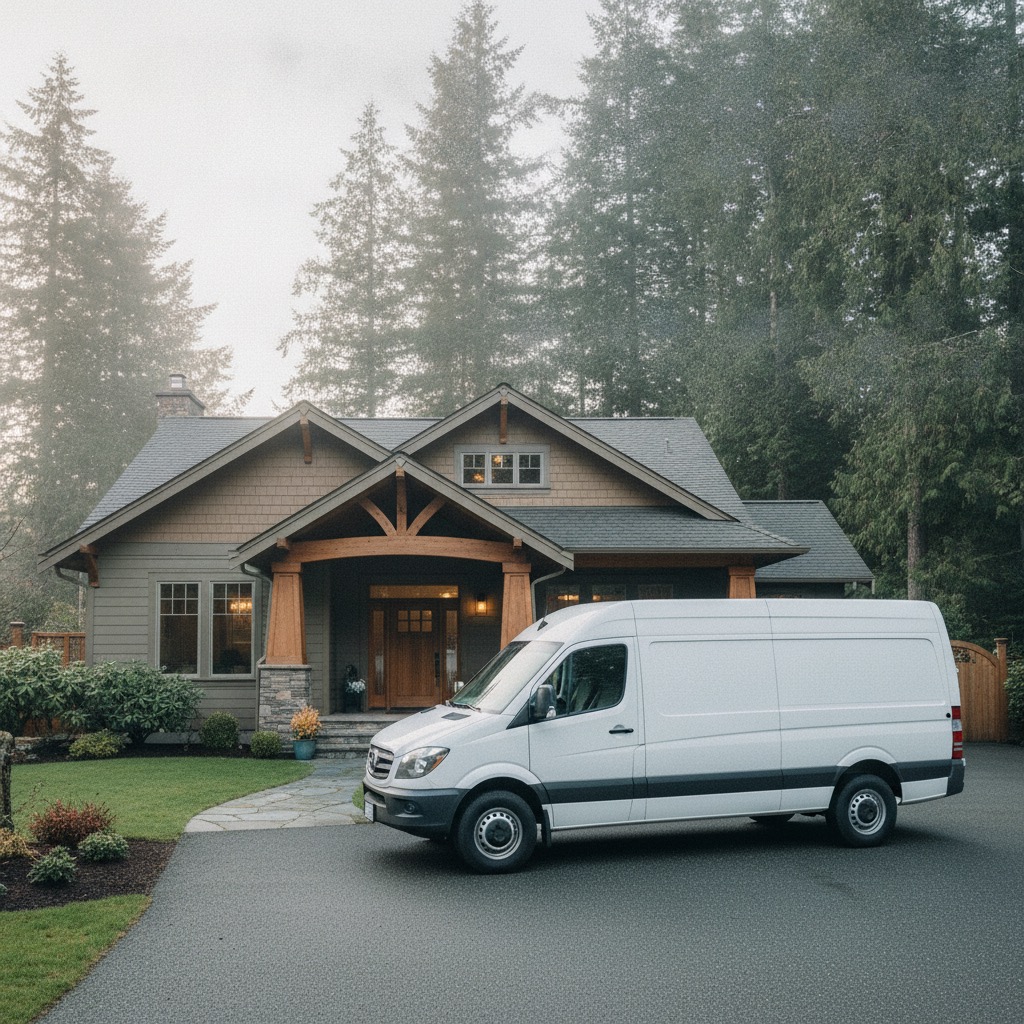
Confronting the Reality of Retrofitting Older Vancouver Homes
Your old furnace is struggling to keep up, your energy bills are climbing, and you are ready for a modern solution. However, at All Around Mechanical, we know firsthand that the unique challenges of retrofitting modern heat pumps into pre-1970 Vancouver homes require far more than a simple equipment swap. Older houses were built for a different era of energy consumption, relying on high-heat, low-airflow furnaces and minimal electrical infrastructure. Upgrading these properties means making a critical decision: do you invest in extensive infrastructure modifications to support a central system, or do you pivot to alternative, multi-zone technologies that bypass the old framework entirely?
When evaluating your air conditioning and cooling systems, it is critical to plan for proper HVAC installation and replacement in Vancouver. A successful retrofit demands a holistic assessment of your home's existing capabilities well before the cold weather sets in. Our team frequently sees homeowners in Vancouver's older neighborhoods discover that their original ductwork and electrical panels simply cannot handle the demands of modern, high-efficiency equipment. By understanding these structural limitations upfront, you can avoid unexpected delays, prevent premature system failure, and choose a heating solution that actually delivers the comfort and efficiency you expect.
Why a Holistic Assessment Matters
Before selecting a new heat pump, our technicians mandate a comprehensive evaluation of your home. This process goes beyond measuring square footage. A proper assessment looks at the hidden arteries of your house. We evaluate the static pressure capabilities of your ductwork, the amperage capacity of your electrical panel, and the thermal envelope of the building itself. Skipping this step often results in installing a premium heat pump that chokes on restricted airflow or trips breakers every time it powers on. Taking the time to assess the whole house ensures that whichever path you choose—upgrading the infrastructure or going ductless—your new system will operate safely and efficiently for years to come.
The Airflow Mismatch: Why Original Ductwork Restricts Modern Heat Pumps
In our experience serving Ridgefield and Vancouver, one of the most common hurdles in upgrading a pre-1970 home is the existing ductwork. Decades ago, homes were typically fitted with oil or natural gas furnaces. These older systems produced incredibly hot air—often exceeding 120°F—which meant they only needed a slow, low-volume fan to distribute warmth throughout the house. Because the air volume was low, builders installed narrow, restrictive ductwork that fit easily into the tight crawlspaces and wall cavities common in mid-century construction.
Modern central heat pumps operate on completely different physics. They produce a steady supply of warm air (usually around 90°F to 100°F) and rely on high-volume airflow to maintain a comfortable indoor temperature. If you connect a high-volume heat pump to narrow, pre-1970 ducts, you create a severe airflow mismatch. The new system tries to push massive amounts of air through tiny pipes, resulting in high static pressure. This is the equivalent of trying to breathe through a drinking straw while running a marathon.
The Consequences of Restricted Airflow
When a heat pump is forced to operate against high static pressure, several negative outcomes occur:
- Premature blower failure: The fan motor works overtime to push air, causing it to overheat and burn out years before it should.
- Reduced energy efficiency: The system consumes significantly more electricity just to circulate air, wiping out the energy savings you expected from a heat pump.
- Uneven temperatures: Rooms furthest from the indoor unit rarely receive enough conditioned air, leaving them cold in the winter and hot in the summer.
- Coil freezing: Inadequate airflow across the indoor coil can cause condensation to freeze, shutting down the entire system.
Navigating these architectural quirks requires local technical expertise. Mid-century moderns and bungalows in our area have unique layouts that cannot be solved with generic HVAC advice. A thorough evaluation by our team is the only way to know if your ducts can handle the load. If you suspect your current system is struggling to breathe, scheduling a professional AC and system inspection can reveal hidden blockages or undersized runs. One local homeowner reached out to us during a recent winter when their heat pump stopped working entirely; an All Around Mechanical technician responded quickly, checked the whole system, and made critical adjustments to improve airflow, getting the system repaired and restoring proper circulation.
Electrical Infrastructure: The 60-Amp and 100-Amp Panel Bottleneck
Our technicians regularly see that even if your ductwork is adequately sized, the electrical panel in a pre-1970 home often presents a hard stop for a central heat pump retrofit. Many homes built in the 1950s and 1960s were equipped with 60-amp or 100-amp electrical services. At the time, this was plenty of power. Families used gas for heating, cooking, and hot water, meaning the electrical panel only needed to support lights, a refrigerator, and a few small appliances.
Today, our electrical demands are drastically different. We run multiple televisions, computers, dishwashers, electric dryers, and sometimes even electric vehicle chargers. A modern central heat pump requires a significant amount of dedicated power. The compressor outside and the air handler inside both need their own circuits. Furthermore, central heat pumps in our region are often paired with auxiliary electric heat strips to provide backup warmth during extreme cold snaps. These heat strips alone can draw 30 to 50 amps. If you try to run that on a 100-amp panel while someone is using the electric oven or dryer, you will overload the system.
Signs Your Electrical Panel is Straining
Upgrading to a 200-amp service is frequently mandatory for a safe central heat pump installation in Vancouver's older neighborhoods. Attempting to bypass this requirement is a serious fire hazard. Watch for these signs that your current electrical infrastructure is already maxed out:
- Flickering lights: Do your lights dim when the refrigerator or current AC unit kicks on?
- Frequent breaker trips: Resetting breakers regularly is a clear sign of an overloaded circuit.
- Warm electrical panels: The metal face of your breaker box should never feel warm to the touch.
- Strange noises: Buzzing or humming from the breaker box indicates dangerous electrical arcing. If you hear odd sounds from your HVAC equipment itself, diagnosing a heater making a clicking sound early can prevent larger electrical failures.
Addressing the electrical bottleneck early in the planning phase ensures that your new heating system will have the safe, reliable power it needs to keep your home comfortable without risking an electrical fire.
Navigating Clark County Upgrades and Structural Requirements
Our team navigates Clark County codes daily, and we know that retrofitting a pre-1970 home is not a weekend do-it-yourself project. Upgrading electrical panels and modifying structural ductwork requires strict adherence to local building codes. Clark County has specific regulations regarding electrical service upgrades, structural modifications, and HVAC installations to ensure public safety and energy efficiency. When you alter the electrical service or change out primary heating equipment, permits and professional inspections are legally required.
A licensed professional from our team will perform a Manual J load calculation, which is a detailed mathematical formula used to determine the exact heating and cooling capacity your specific home requires. This calculation takes into account your home's square footage, window types, insulation levels, and regional climate data. Guessing the size of a heat pump based on the old furnace's capacity is a guaranteed recipe for short-cycling, high bills, and poor humidity control.
Leveraging Incentives for Infrastructure Upgrades
The upfront investment to bring a pre-1970 home up to modern structural and electrical standards can be substantial. Fortunately, homeowners do not always have to bear the full burden alone. General federal tax credits and local utility incentives may apply to qualifying high-efficiency heat pump installations, which can help offset the investment of upgrading older infrastructure. Because these programs change frequently and have specific equipment requirements, we advise consulting with a licensed HVAC professional and a tax advisor to verify which current programs you qualify for before any work begins. Proper documentation, permits, and professional installation are almost always required to claim these benefits.
Moisture Management Challenges in Pacific Northwest Climates
The structural limitations of older homes intersect directly with the specific climate challenges of our region. The Pacific Northwest is known for its mild, incredibly wet winters and increasingly hot, dry summers. This combination demands a heating and cooling system that excels at moisture control. Heat pumps are naturally excellent at dehumidifying the air as they cool, but they must have proper airflow to do so effectively.
In many of Vancouver's older neighborhoods, homes were built with minimal insulation and drafty windows. These houses "breathe" naturally, allowing outside air to constantly mix with indoor air. When homeowners begin to seal up these drafts with new windows and weatherstripping without upgrading their HVAC ventilation, moisture gets trapped inside. A heat pump bottlenecked by undersized 1960s ductwork cannot move enough air to effectively manage this high indoor humidity.
The Importance of Proper Ventilation
When excess moisture is trapped inside a home during a cold, wet winter, it condenses on cold surfaces like windows and exterior walls. Over time, this condensation leads to mold growth, wood rot, and degraded indoor air quality. Managing this moisture requires a system that can circulate air thoroughly and consistently.
If your older home struggles with trapped humidity, upgrading the primary HVAC system is only part of the solution. Ensuring that the upper levels of the home can breathe properly is equally important. Exploring attic ventilation services for older homes provides a complementary solution, allowing trapped moisture to escape the thermal envelope safely before it causes structural damage.
The Ductless Alternative: Bypassing Outdated Infrastructure Entirely
If the cost and structural disruption of tearing out walls to replace undersized ducts and upgrading the electrical panel are too prohibitive, our team frequently recommends a highly effective alternative. Ductless multi-zone systems, often called mini-splits, allow you to bypass the outdated infrastructure of a pre-1970 home entirely. Instead of relying on a central air handler and a web of hidden metal pipes, a ductless system uses a single outdoor compressor connected to one or more indoor air-handling units via small refrigerant lines.
Ductless systems offer several distinct advantages for older homes. First, they eliminate the airflow mismatch completely. Because there are no ducts, there is no static pressure problem. Second, they often operate on lower electrical requirements. While a large central heat pump with auxiliary strips might demand a heavy electrical upgrade, some ductless systems draw significantly less amperage, sometimes allowing them to operate safely on existing electrical panels (though a professional load calculation is still required). Finally, they can be phased in over time. You can install a single unit in the main living area this year, and add units to the bedrooms later.
Modern Solutions for Air Quality
Whether you choose a central retrofit or a ductless approach, modernizing your system opens the door to vastly improved indoor air quality. Older homes are particularly susceptible to outdoor pollutants seeping in. One local homeowner experienced this firsthand during fall wildfires when heavy smoke infiltrated their house; an All Around Mechanical technician was able to install a compatible air purifier into their HVAC system within one hour. The upgraded system effectively removed the smoke, allowing the family to breathe easily despite the hazardous outdoor conditions. Modern systems are designed to integrate seamlessly with advanced filtration, providing a level of protection that 50-year-old furnaces simply cannot match.
| Feature | Central Heat Pump Retrofit | Ductless Mini-Split System |
|---|---|---|
| Ductwork Requirement | Requires high-volume ducts (often necessitates tearing out pre-1970 ducts). | Bypasses ducts entirely; uses small refrigerant lines. |
| Electrical Needs | Typically requires a 200-amp panel upgrade. | Often requires lower amperage; may work with existing panels. |
| Installation Disruption | High. May involve drywall removal and extensive home modifications. | Low. Requires only a small hole in the wall for lines. |
| Zoning Capability | Requires complex motorized dampers to zone. | Inherently zoned; each room is controlled independently. |

Timing Your Retrofit Ahead of the Winter Heating Season
When dealing with older homes, the timeline for a heating upgrade is rarely as simple as a next-day installation. Because retrofitting often requires cross-trade coordination—specifically between licensed electricians and HVAC technicians—scheduling becomes a major factor. As we transition into early fall, our schedule at All Around Mechanical fills up quickly, making this the critical window for undertaking these infrastructure upgrades. If you wait until the first freezing night to realize your old furnace is dead, you will be competing with hundreds of other homeowners for emergency service.
Electrical panel swaps require permits, coordination with the local utility company to disconnect power, and a full day of labor. Modifying ductwork takes time to fabricate the metal and install it properly. Rushing this process in the middle of winter leads to cold nights and immense frustration.
The Proactive Upgrade Timeline
To ensure your home is ready before the dropping temperatures set in, we recommend following this sequence:
- The Holistic Assessment (Late Summer / Early Fall): Have a professional evaluate your ducts, panel, and insulation to determine the scope of work.
- The Decision Phase: Review the load calculations and decide between a central duct upgrade or a ductless mini-split system.
- Permitting and Electrical (Early Fall): Secure necessary Clark County permits and complete any required 200-amp panel upgrades.
- Installation and Testing (Pre-Winter): Install the heat pump equipment, modify ducts if necessary, and test the system's airflow and defrost cycles before the first freeze.
By acting proactively, you secure your spot on the schedule, allow ample time for permits, and guarantee that your home will be warm and efficient when the winter weather arrives.
Frequently Asked Questions About Upgrading Older Homes
Can you put a heat pump in an old house?
Yes, but it requires a thorough infrastructure assessment before installation. Older houses often have structural limitations that prevent a simple equipment swap. Modifications to existing ductwork or electrical panels may be necessary to ensure the new heat pump operates safely and efficiently.
Do I need to upgrade my electrical panel for a heat pump?
Often, yes. Pre-1970 homes usually have 60-amp to 100-amp electrical panels, which were designed for a different era of energy use. Modern central heat pumps, especially those with auxiliary heating strips, typically require a 200-amp service to run safely alongside today's standard household appliances.
Will my existing ductwork work with a heat pump?
It depends entirely on the size of the ducts. Older ducts were usually sized for high-heat, low-airflow oil or gas furnaces. Modern heat pumps require a much higher airflow volume to heat a home, which can be severely restricted by old, narrow ducts, leading to system failure.
How do you heat an older home efficiently?
Heating an older home efficiently involves upgrading insulation, sealing air leaks, and installing high-efficiency heating equipment. For pre-1970 homes with severe duct limitations, ductless multi-zone systems are highly efficient alternatives that bypass the need for extensive structural modifications.
Are there incentives for upgrading an older home's HVAC system?
Generic federal tax credits and local utility incentives may apply to qualifying high-efficiency installations. Because these programs have strict requirements regarding equipment ratings and proper permitting, homeowners should consult with HVAC professionals and tax advisors to verify current qualifying programs.
Take the Next Step Toward Efficient Heating This Fall
Understanding your home's structural limitations is the very first step to a successful heating retrofit. The unique challenges of retrofitting modern heat pumps into pre-1970 Vancouver homes don't have to be roadblocks; they are simply factors that require professional planning. Whether the best path forward is upgrading your electrical panel and ductwork for a central system, or bypassing the old infrastructure entirely with a ductless solution, clear, expert guidance is available from our team to help you make the right choice.
Don't wait until the deep cold settles in to discover your heating system is inadequate. Secure your comfort during the early fall / pre-heating season window. Reach out to All Around Mechanical today to schedule a comprehensive assessment and explore your options for professional HVAC installation and replacement in Vancouver, ensuring your home stays warm, safe, and efficient all winter long.
Recent Posts

Oct 19, 2026 / 11 min
Daikin One Touch Smart Thermostat Manual: Fall Setup and Troubleshooting Guide
Safely Navigating Your First Fall Heating Startup That familiar chill is creeping into the house, but flipping your thermostat to "heat" for the first time in months often brings a

Oct 16, 2026 / 9 min
AC Repair Near Me: Troubleshooting Fall Heating Startup & Burning Odors in Ridgefield
Navigating the Shift from Late-Summer Cooling to Fall Heating in Ridgefield When the first chilly October morning arrives and you switch your thermostat from cooling to heating, yo

Oct 15, 2026 / 9 min
AC Repair Near Me & Fall Startups: Common Homeowner Questions Answered
Is That Burning Smell Normal During Your Fall Heating Startup? Have you ever turned on your heat for the first time in autumn and immediately searched for common homeowner question